Pick a muscle group or browse all exercises — with instructions, tips, and common mistakes for every movement.
Select Muscle
Click a muscle to browse
Browse by Muscle Group
Browse by Equipment
Browse by Training Style
Quick Start — Workout Splits
Pre-made Dumbbell Workouts
Muscle Group
Equipment
Movement Type
✕ Clear all filters
⌕
0 Exercises
📋 Save as Workout
Clear
◈
Select an exercise to preview
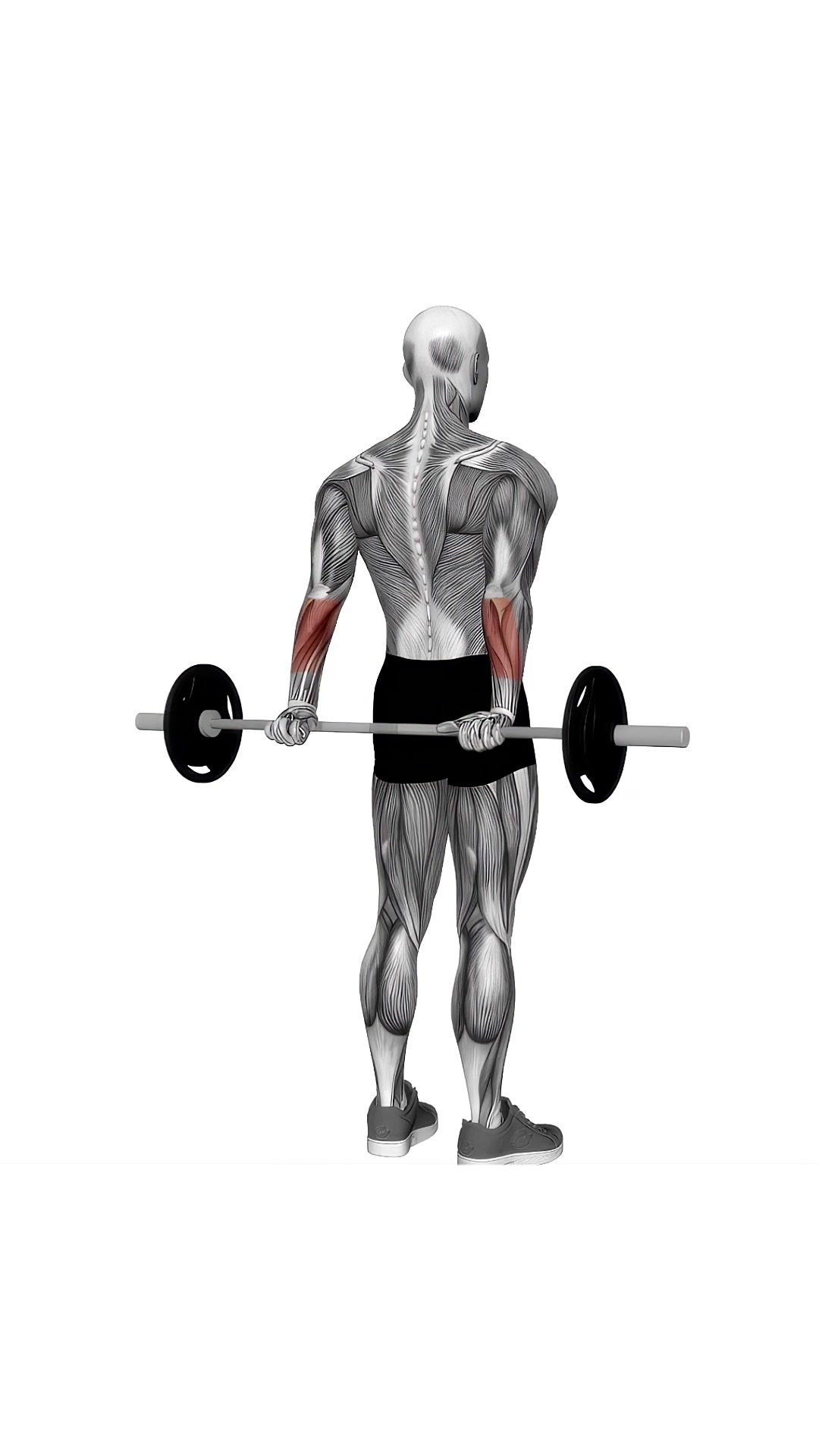
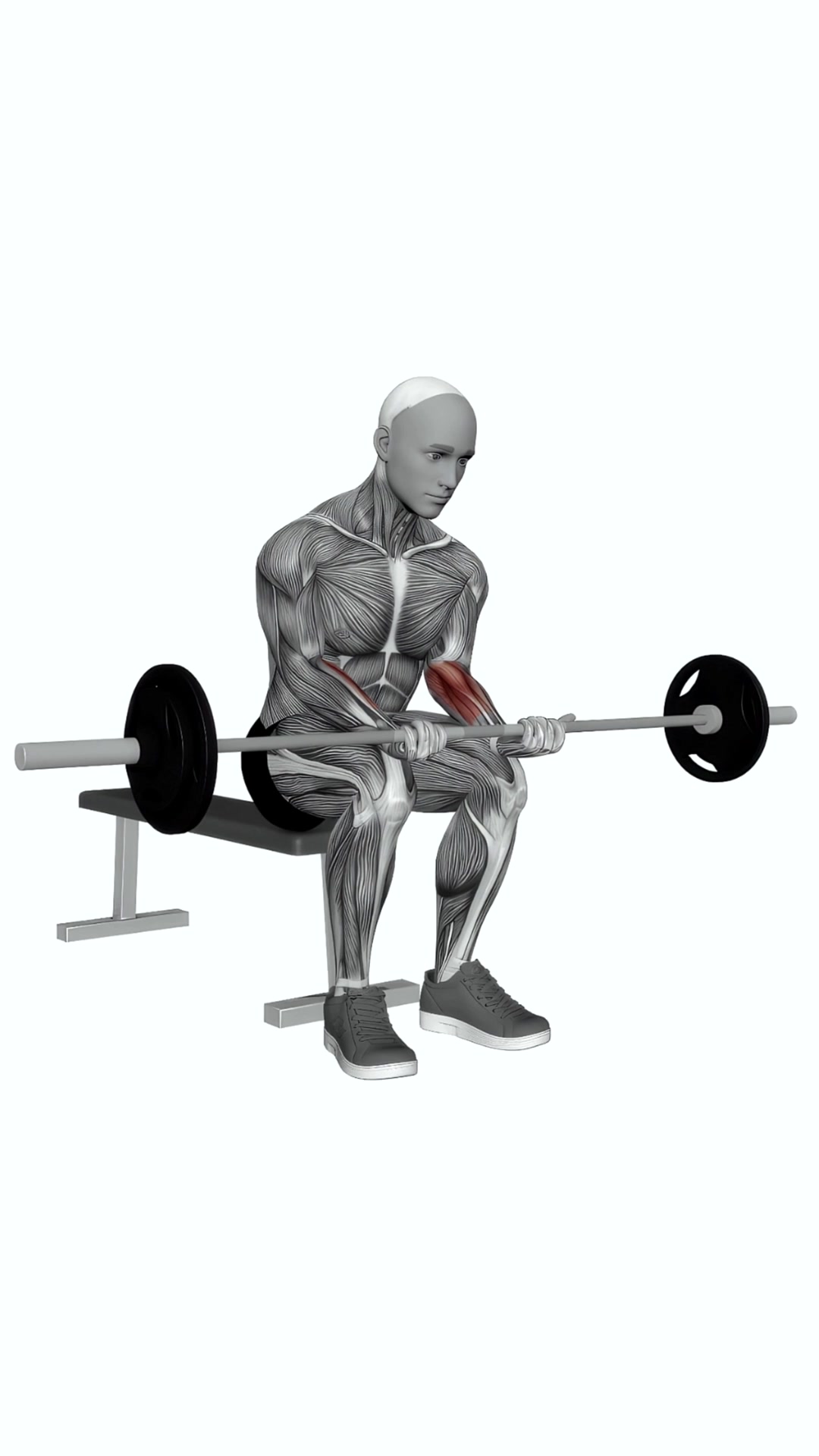
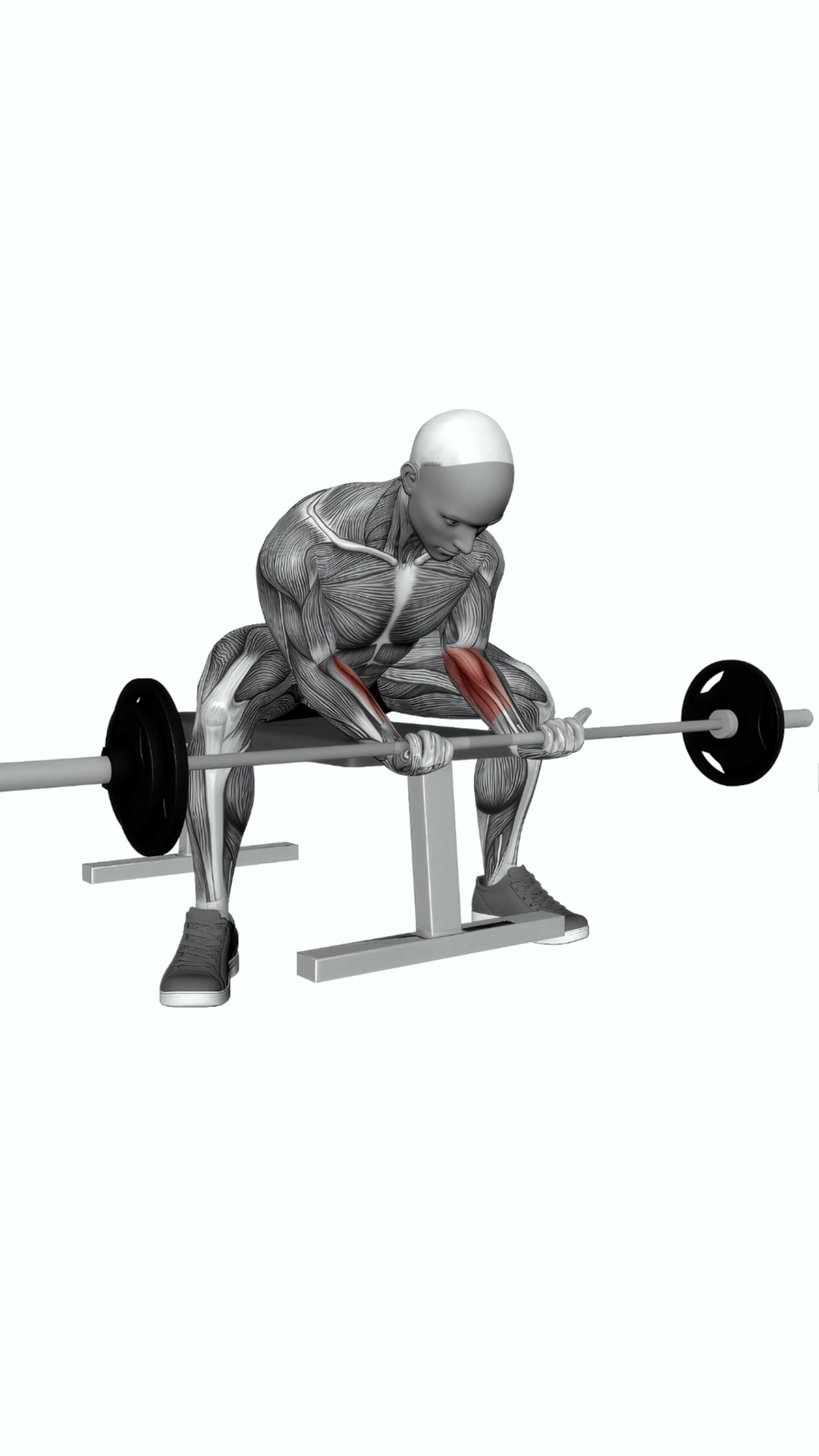
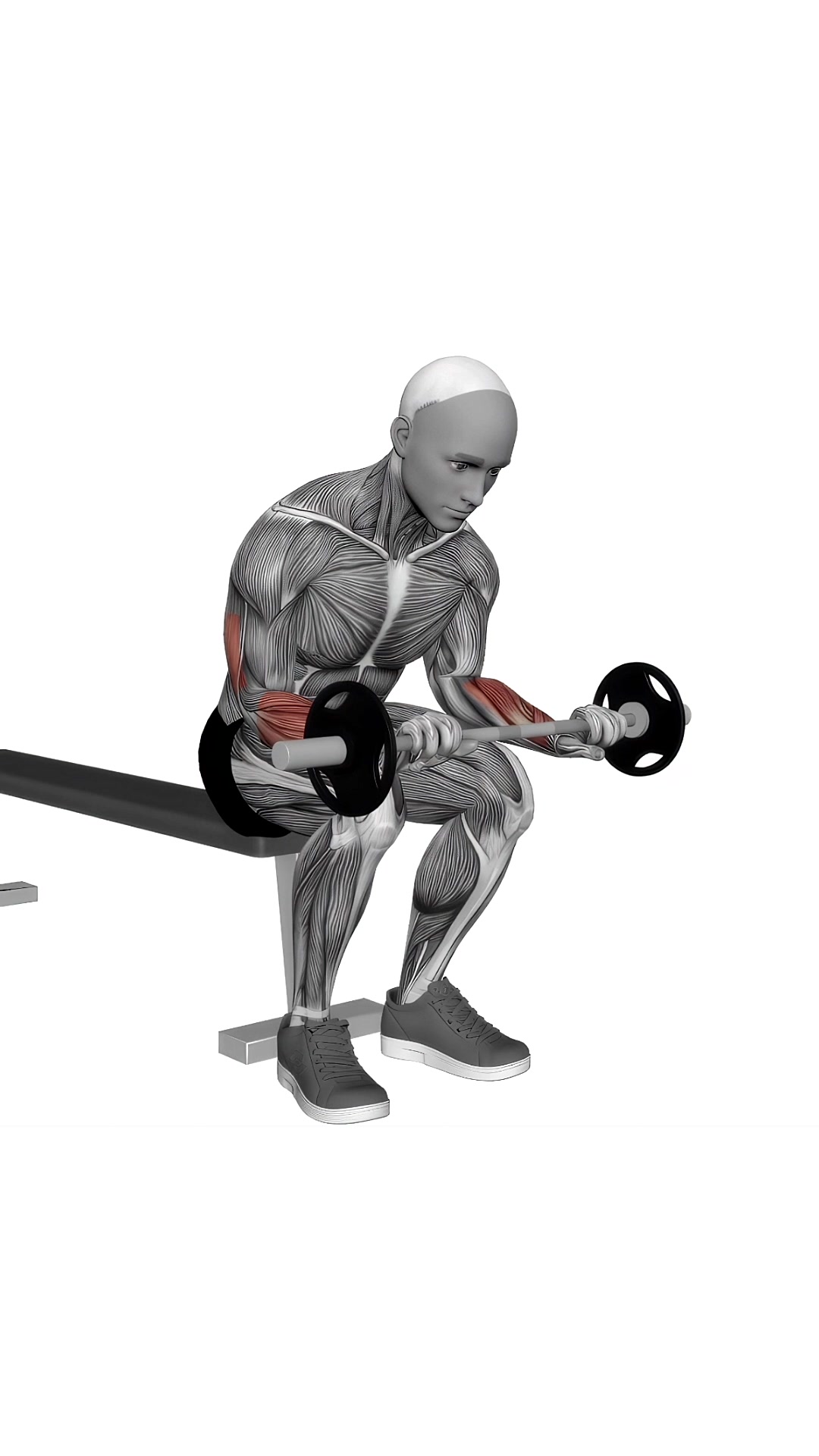
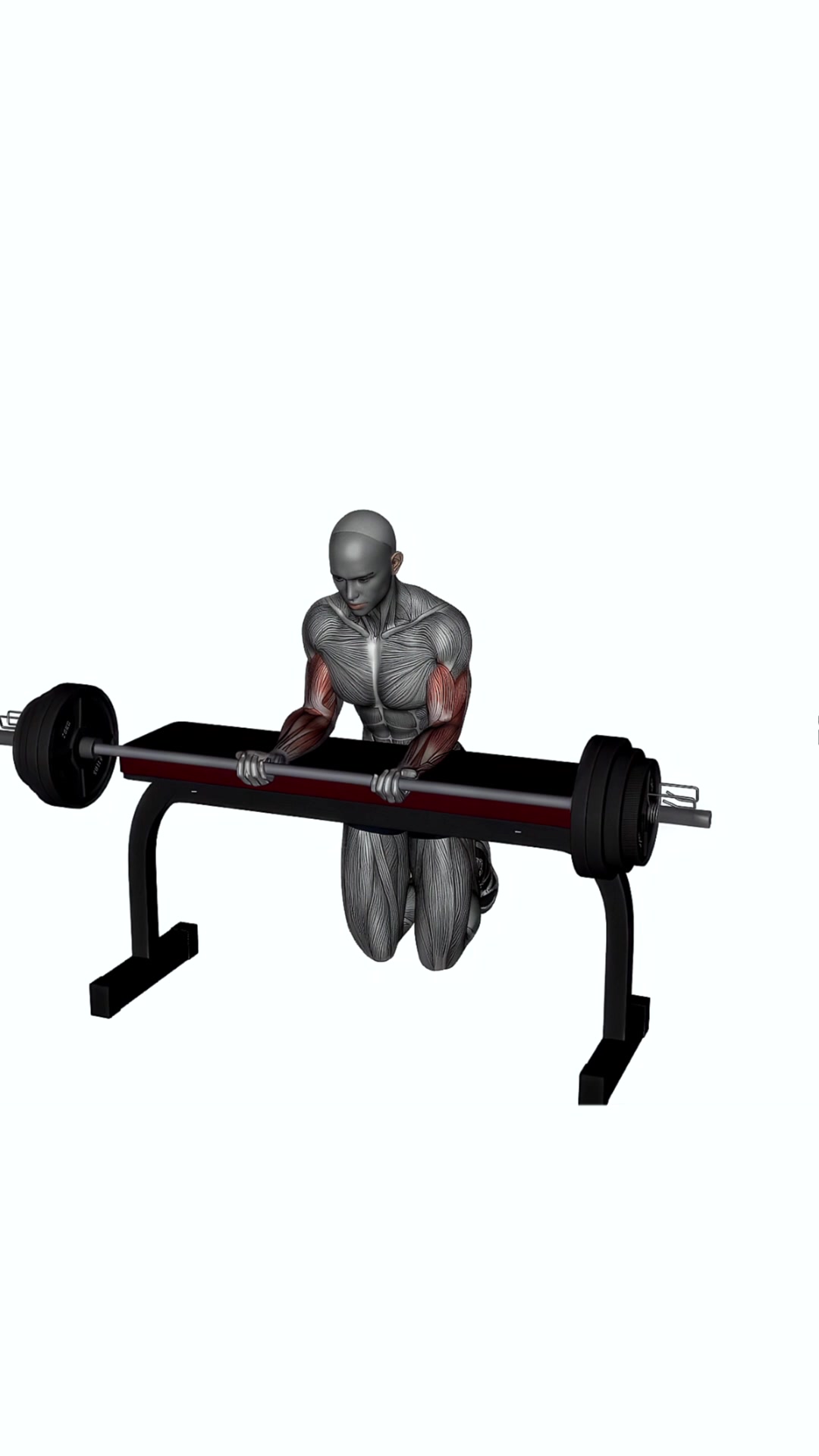
Wrist Extension Barbell
Similar Exercises
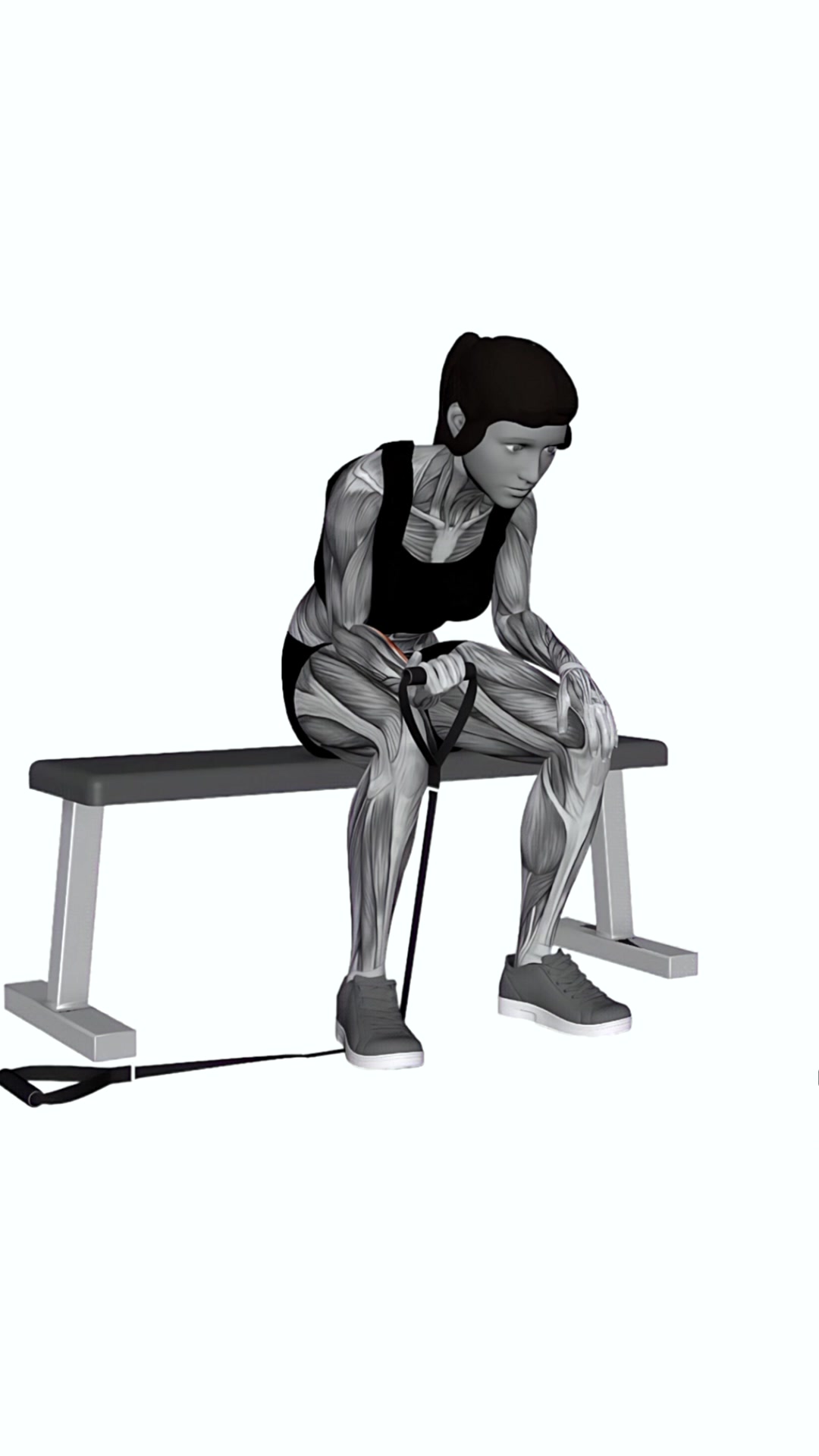
Band Wrist Curl Single Arm
Resistance Band · Pull
B
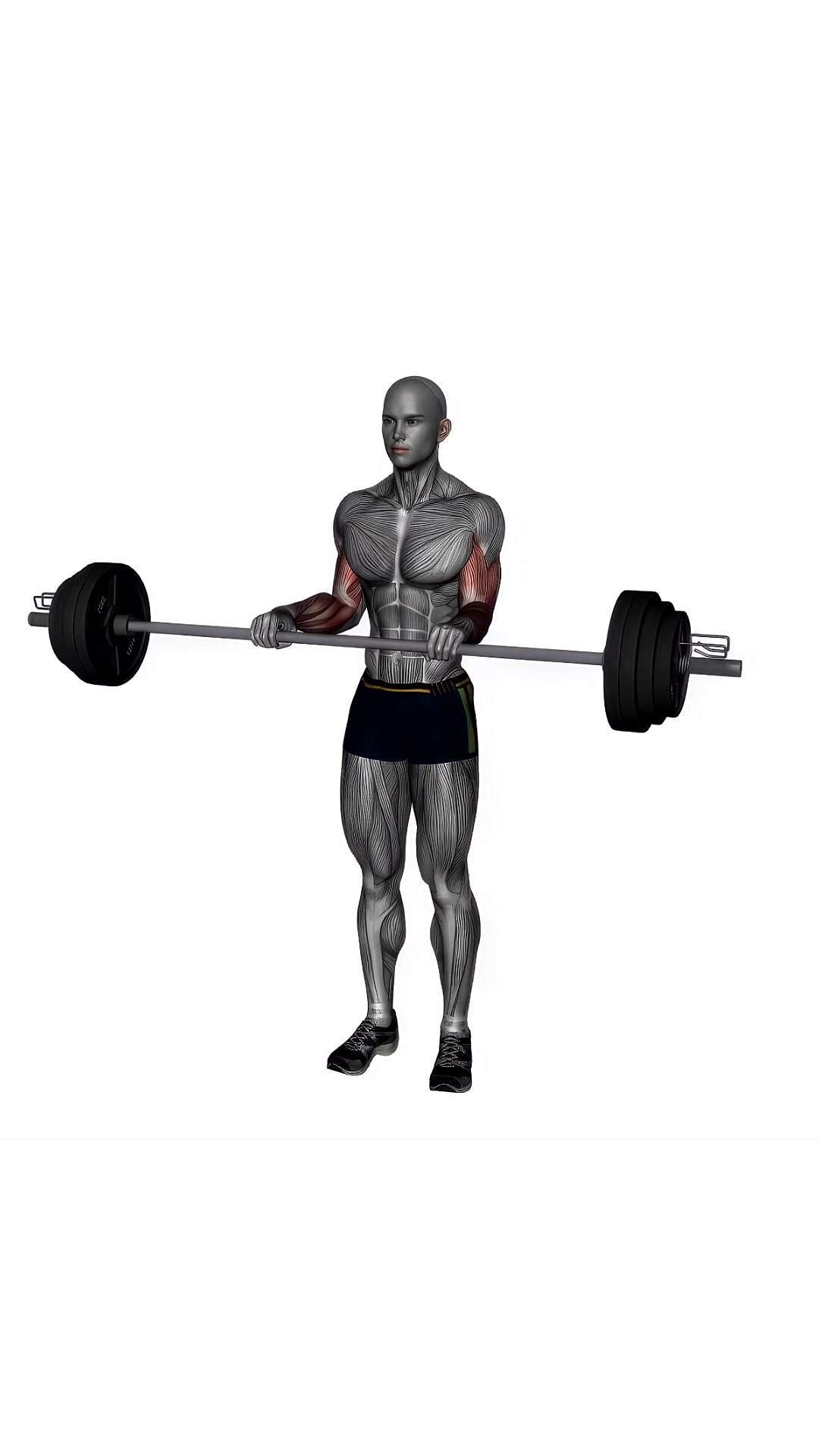
Reverse Curl Barbell
Barbell · Pull
I
Barbell Palm Down Wrist Curl Over A Bench
Barbell · Push
I
Barbell Standing Back Wrist Curl
Barbell · Pull
I
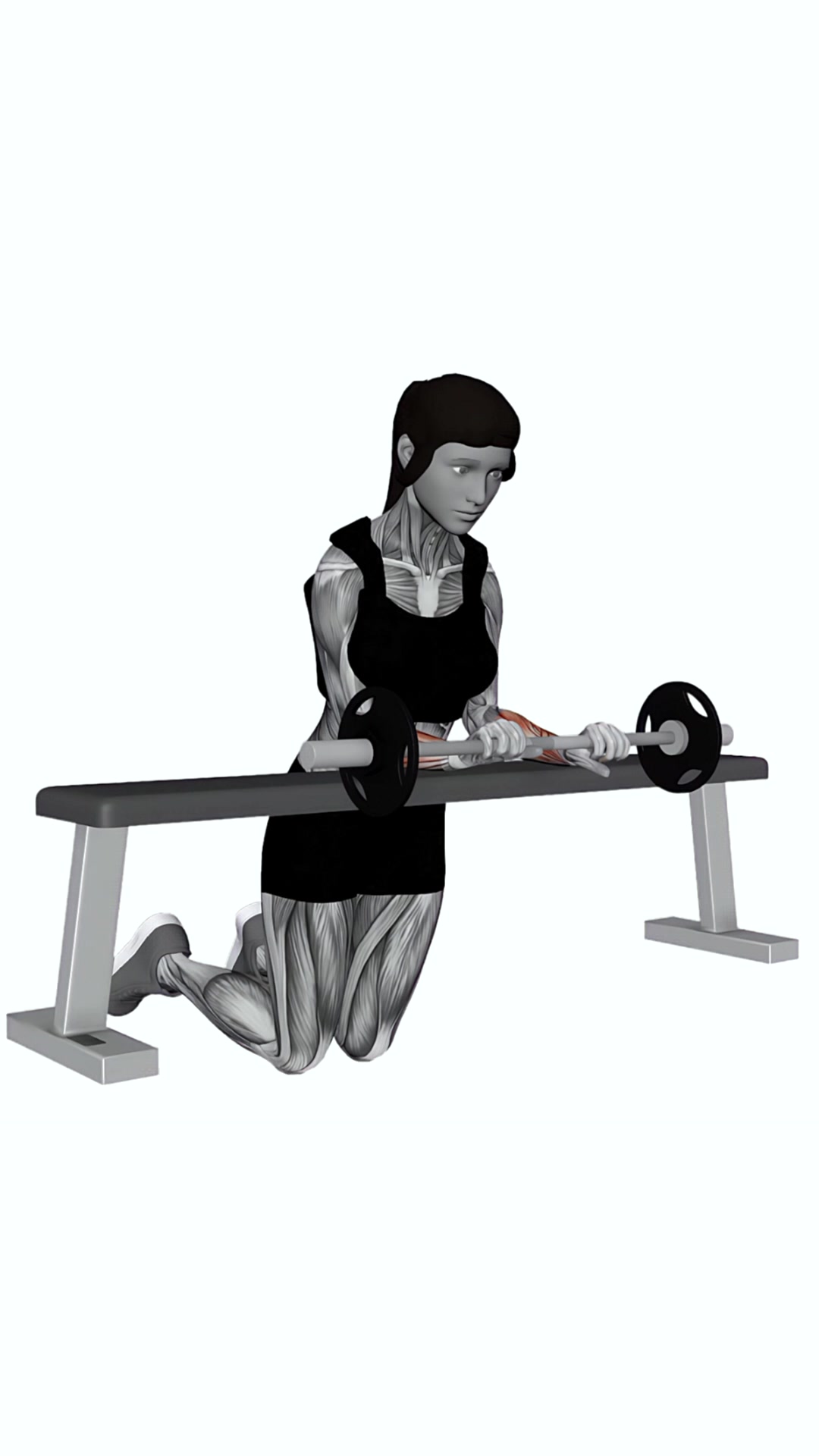
Barbell Wrist Curl On Knees
Barbell · Pull
I
Barbell Wrist Curl Wide Legs
Barbell · Pull
I
Barbell Wrist Extension On Knees
Barbell · Pull
I
Wrist Curl Barbell
Barbell · Pull
I
Home ›
Forearms ›
Wrist Extension Barbell
Wrist Extension Barbell
ForearmsBarbellPullStrength
Your Goal General Fitness
Sets
2–3
Reps
10–15
Rest
60s
How To Perform
1
Start in the setup position with good posture and core engaged.
2
Initiate the movement by engaging the target back muscle — not just pulling with arms.
3
Drive through the full range of motion with control.
4
Squeeze at peak contraction for 1 second.
5
Return slowly — the eccentric phase builds as much muscle as the pull.
Pro Tips
Focus on feeling the target muscle working rather than just moving the weight.
The last 2-3 reps of a set are where growth happens — push through them with good form.
Rest 60-90 seconds between sets for hypertrophy, 2-3 minutes for strength work.
Overview
This forearms exercise using a barbell places direct tension on the forearms, with Biceps picking up the supporting work. The movement pattern makes it well suited for both beginners building a base and experienced lifters adding volume.
Muscles Worked
Forearms
75%
Biceps
42%
Brachialis
32%
Common Mistakes
Using too much weight and sacrificing form to complete the movement.
Rushing through reps — speed kills the time under tension that drives results.
Neglecting the eccentric phase — lowering with control is where a lot of the growth happens.
About Training Your Forearms
The forearms control grip strength and the movement of the wrist and fingers, and well-developed forearms improve performance on nearly every pulling, carrying, and pressing exercise. The main muscles are the wrist flexors on the inner forearm, the wrist extensors on the outer forearm, and the brachioradialis, which also assists in elbow flexion.
Forearms receive a great deal of indirect work from deadlifts, rows, pull-ups, and any exercise that challenges your grip, which is why many lifters never train them directly. To bring up lagging forearms or maximise grip, direct work helps: wrist curls and reverse wrist curls train the flexors and extensors, reverse curls build the brachioradialis and forearm thickness, and loaded carries such as farmer's walks build crushing grip strength and overall robustness.
Forearms are dense with endurance-oriented muscle fibres and tolerate — even prefer — higher rep ranges and frequency. Training them in the 12 to 20 rep range several times per week, often at the end of a pulling or arm session, produces steady gains. Because grip is involved in so much of your training, stronger forearms translate directly into being able to hold heavier weights for more reps across the board.
Use the popular forearm and grip exercises below to round out your arm development and build a stronger, more capable grip.