A flexibility movement that loosens the stretching and surrounding tissue. Regular practice improves range of motion and reduces injury risk.
The biceps brachii is the muscle most people picture when they think of arm training. It sits on the front of the upper arm and has two heads — a long head on the outer arm and a short head on the inner arm — that together flex the elbow and rotate the forearm so the palm faces up (supination). Working alongside it are the brachialis, which lies underneath and pushes the biceps up to add peak and width, and the brachioradialis of the upper forearm.
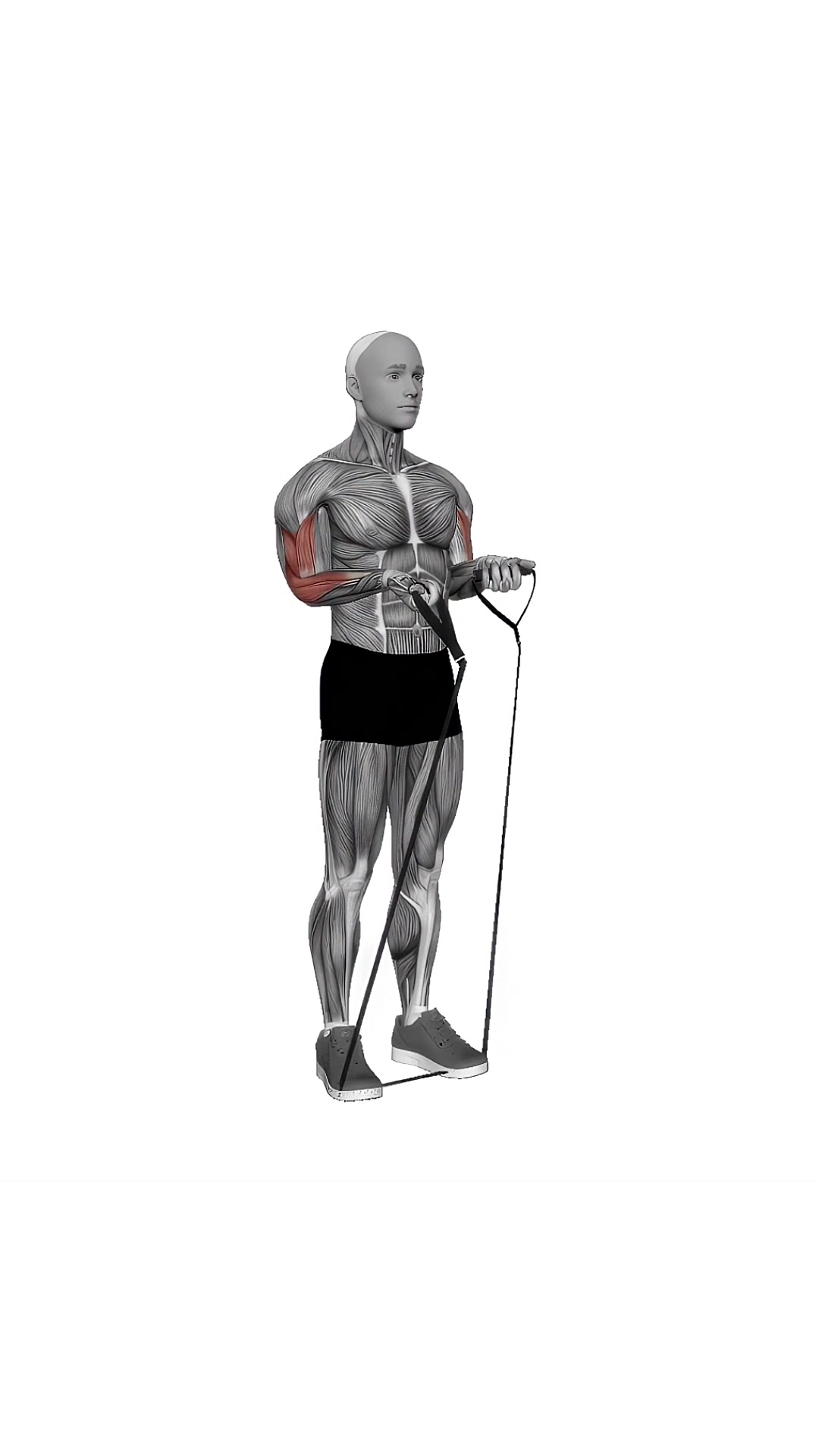
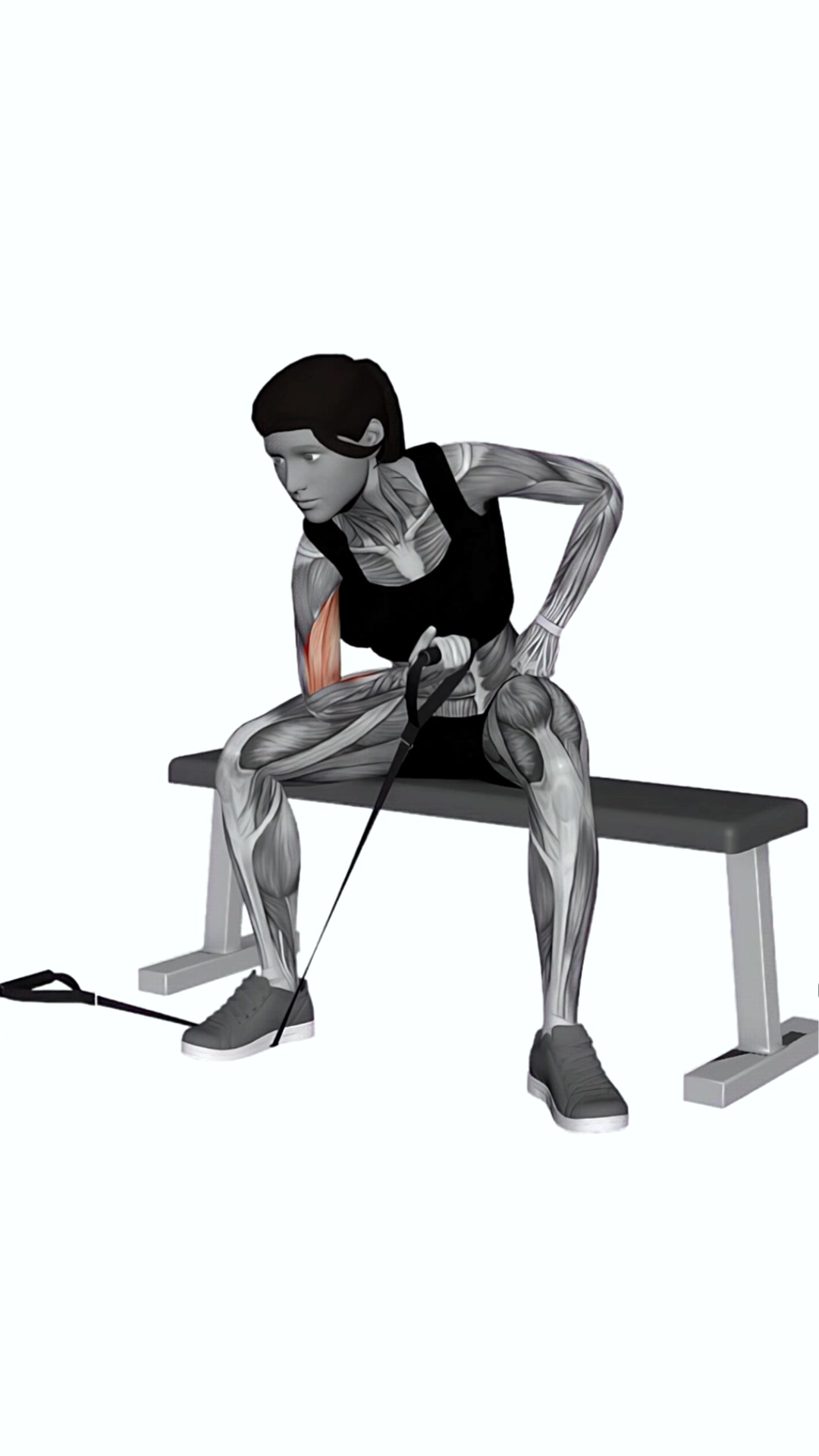
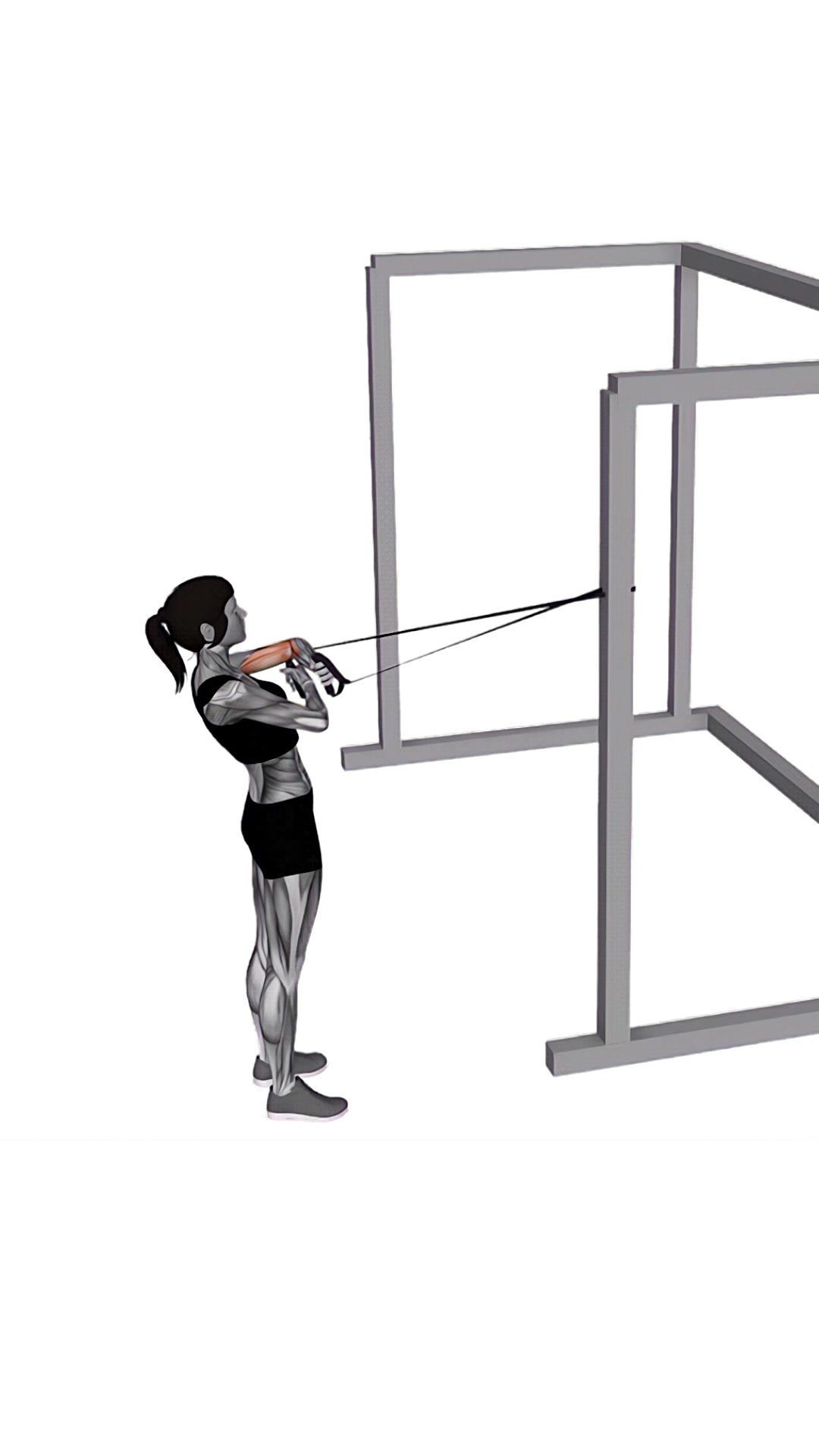
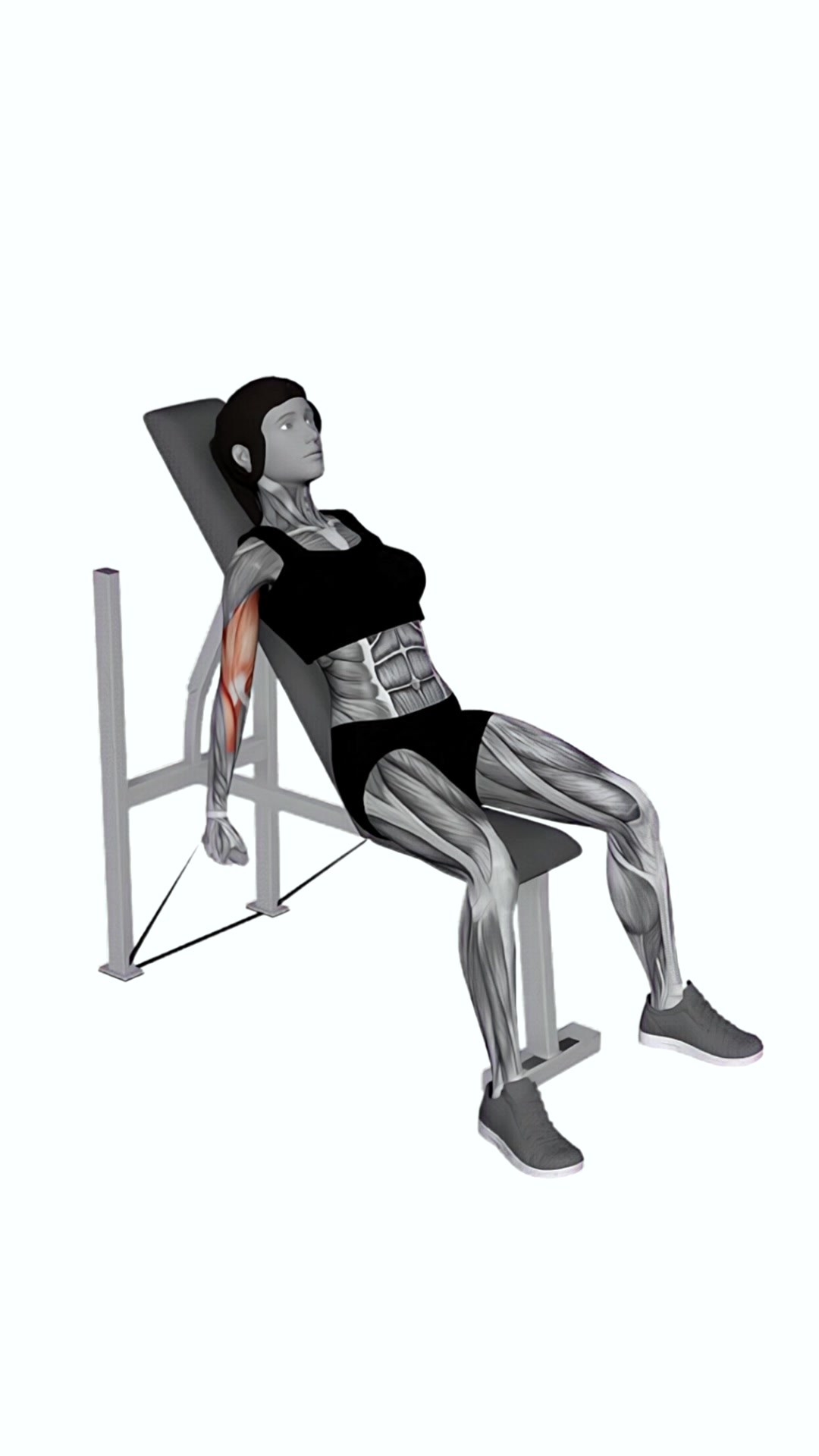
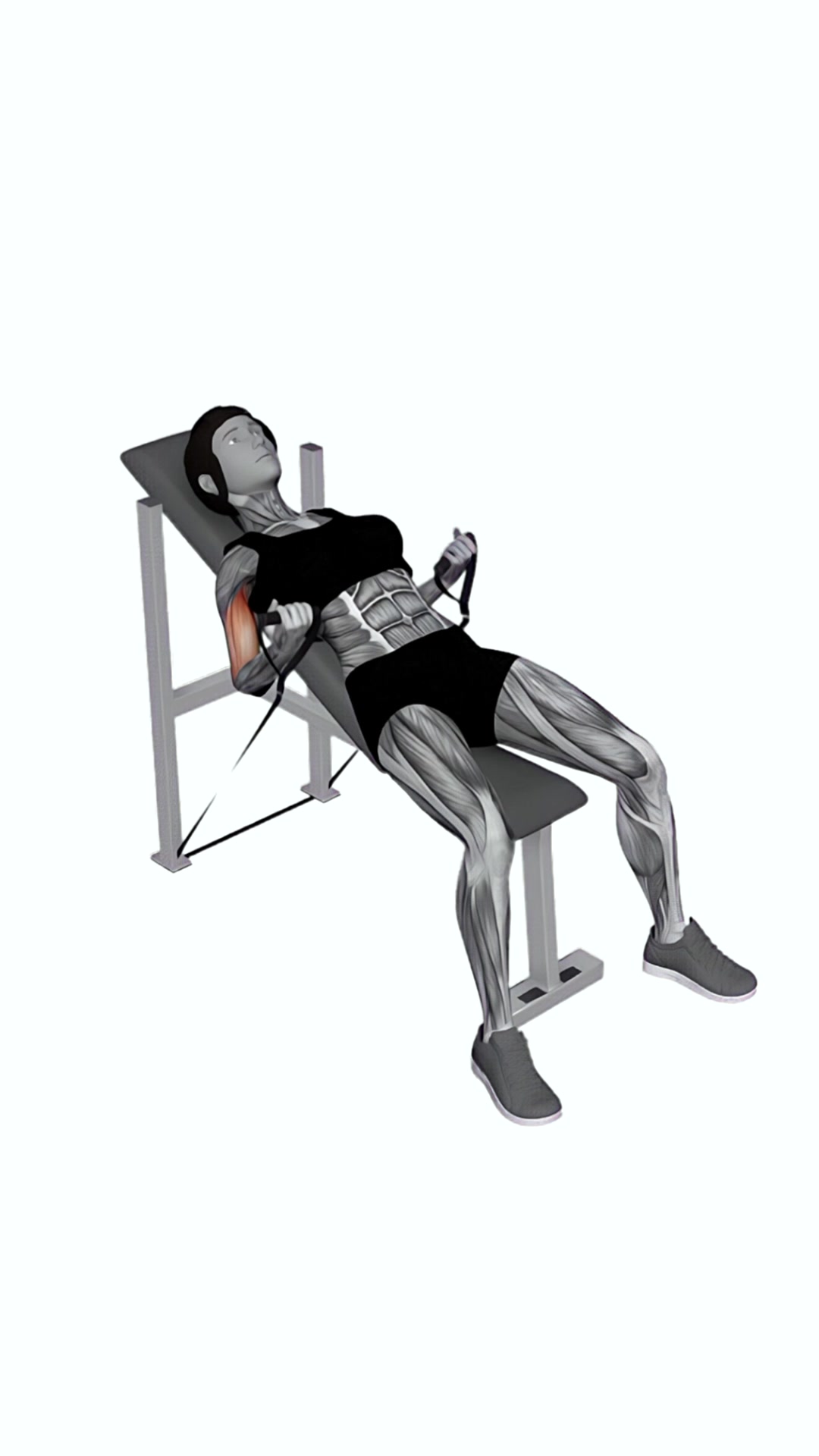
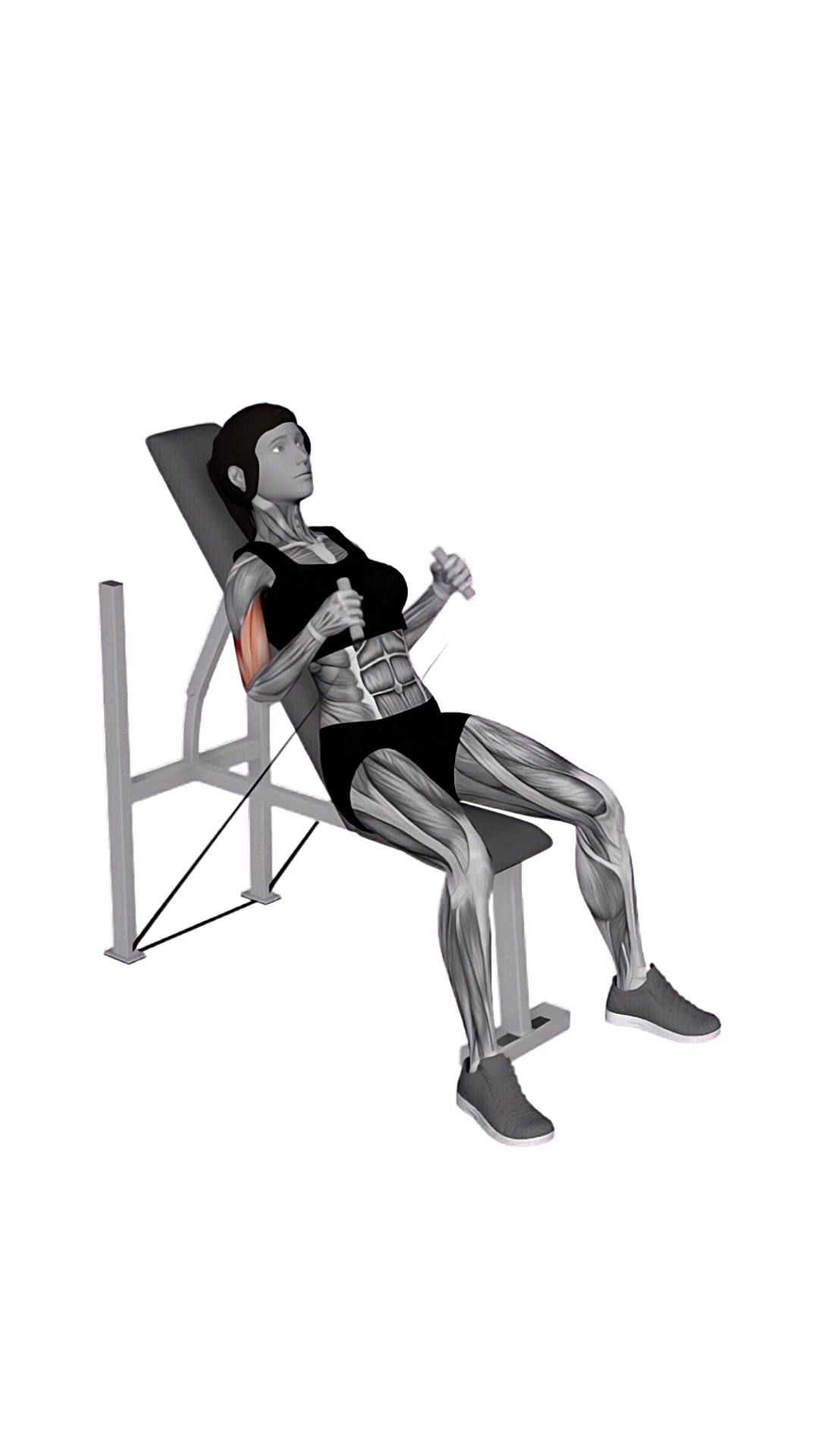
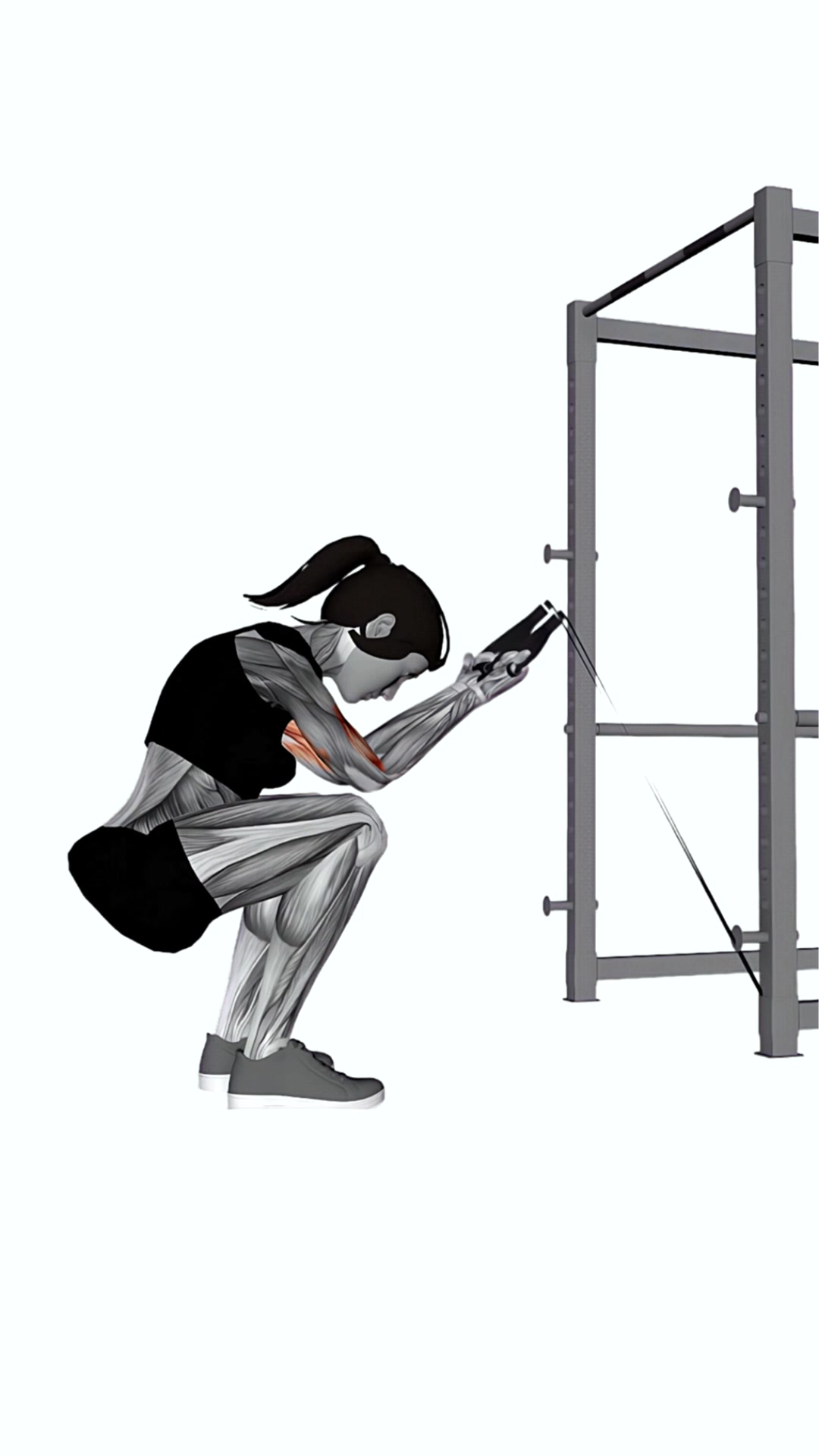
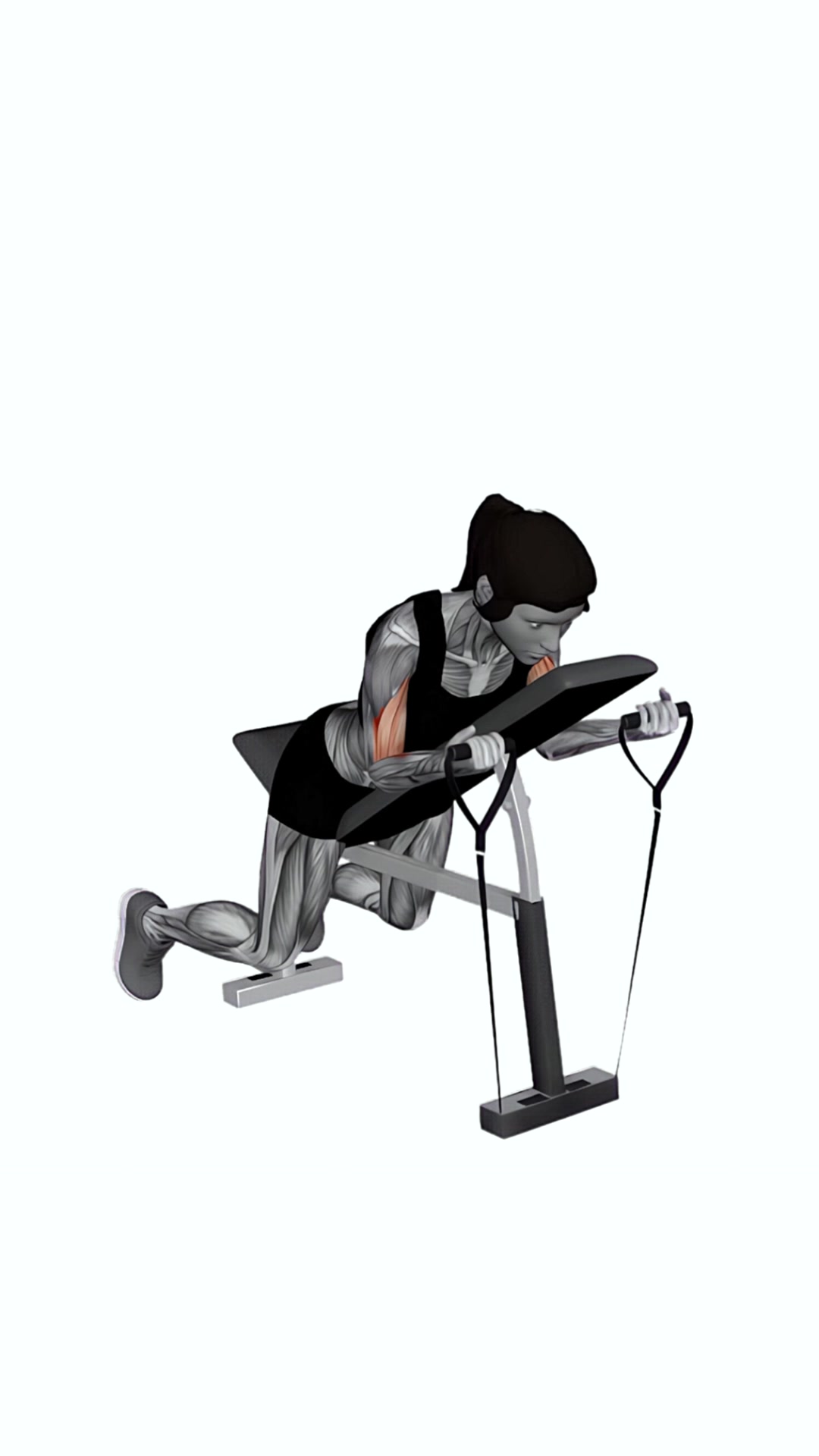
Although the biceps is a small muscle, it responds extremely well to direct training and a higher frequency than most lifters use. The classic curl is the cornerstone, but the angle and grip you choose change which part of the muscle is emphasised. Standing barbell and dumbbell curls build overall mass. Incline curls put the long head on stretch and develop the outer biceps. Preacher curls isolate the short head and remove momentum. Hammer curls, performed with a neutral grip, target the brachialis and brachioradialis to thicken the whole arm.
For growth, the biceps thrive on moderate to high rep ranges, typically 8 to 15, with a focus on full range of motion and a hard squeeze at the top. Because the muscle is small and recovers quickly, training it two or even three times per week — including the work it already gets from back exercises — is both safe and productive for most people.
The most common mistake in biceps training is using too much weight and swinging the torso to heave the dumbbells up. This shifts the load onto the front delts and lower back and robs the biceps of tension. Instead, keep the elbows pinned to your sides, control the lowering phase for a full second or two, and resist the urge to let the weight drop. Avoid fully relaxing at the bottom of each rep; keeping constant tension produces a much stronger growth stimulus than ego-driven heavy partials.
Strong biceps are not just about appearance — they contribute to grip strength, pulling power, and elbow health. Pairing direct curl work with the heavy pulling you already do for back creates the best of both worlds. Use the popular biceps exercises below to build a focused arm routine.