Pick a muscle group or browse all exercises — with instructions, tips, and common mistakes for every movement.
Select Muscle
Click a muscle to browse
Browse by Muscle Group
Browse by Equipment
Browse by Training Style
Quick Start — Workout Splits
Pre-made Dumbbell Workouts
Muscle Group
Equipment
Movement Type
✕ Clear all filters
⌕
0 Exercises
📋 Save as Workout
Clear
◈
Select an exercise to preview
Resistance Band Side Plank Glute Raise
Similar Exercises
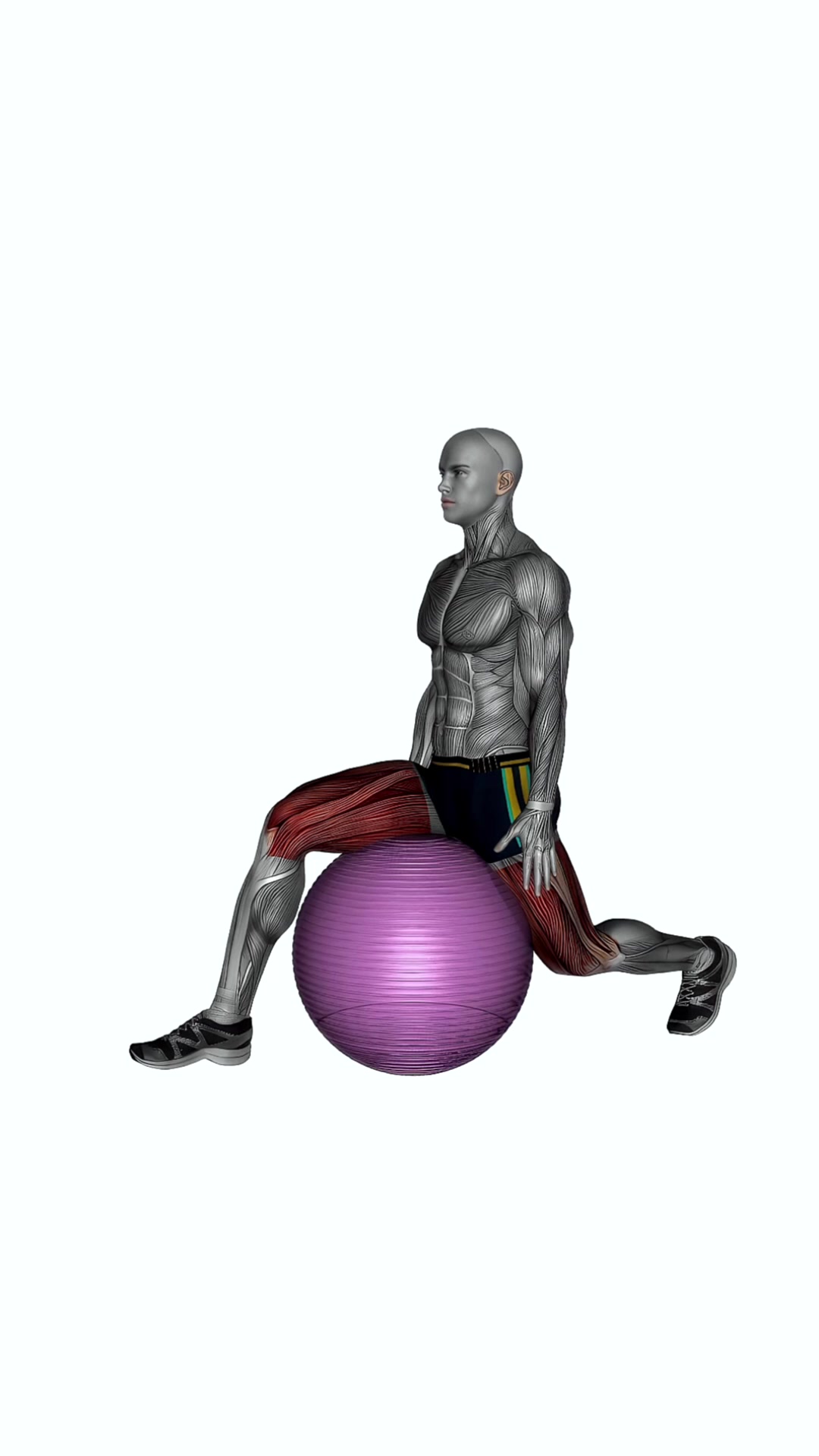
Exercise Ball Hip Flexor Stretch
Stability Ball · Mobility/Flexibility
B
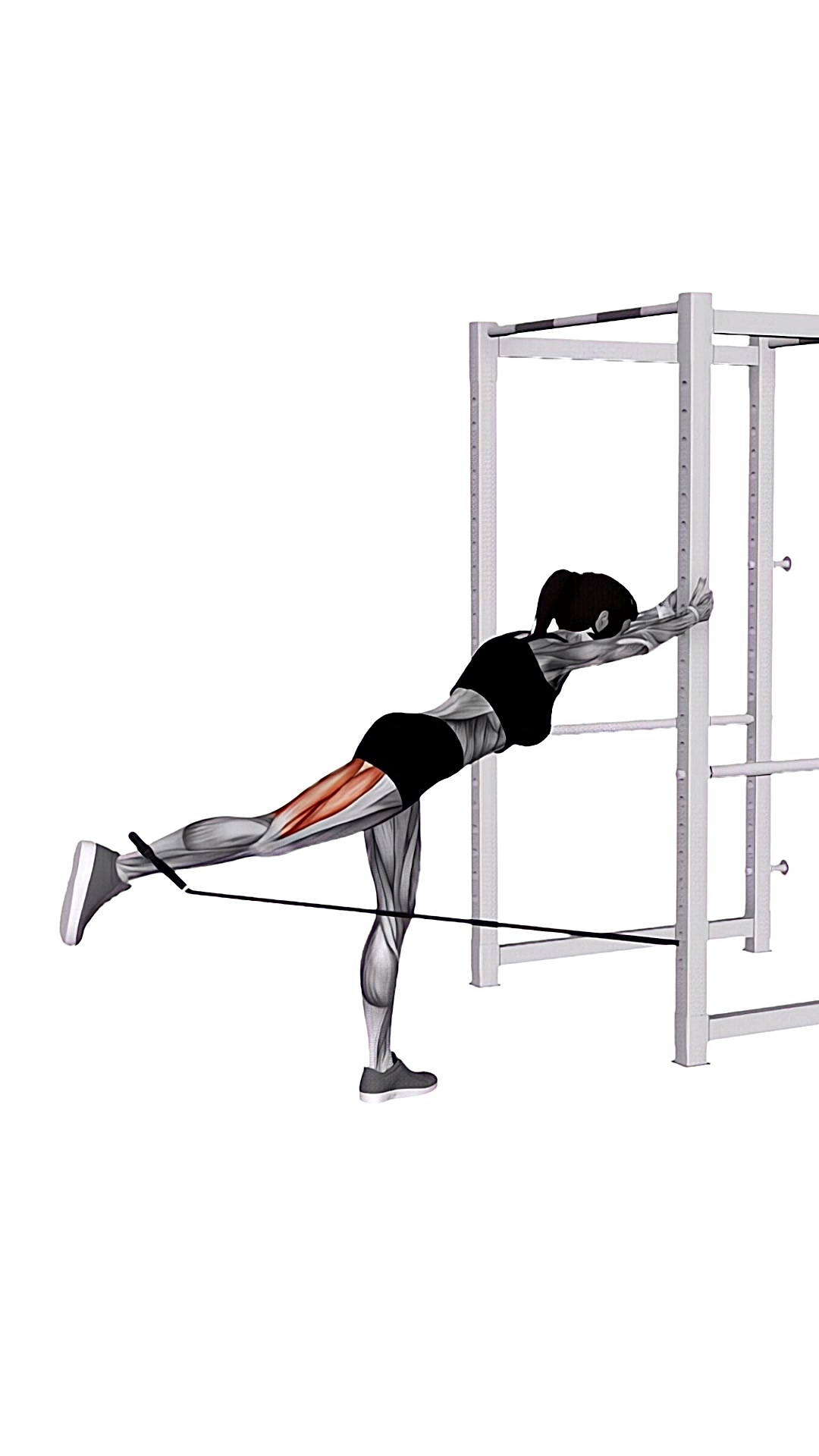
Band Bent-over Hip Extension
Resistance Band · Squat
B
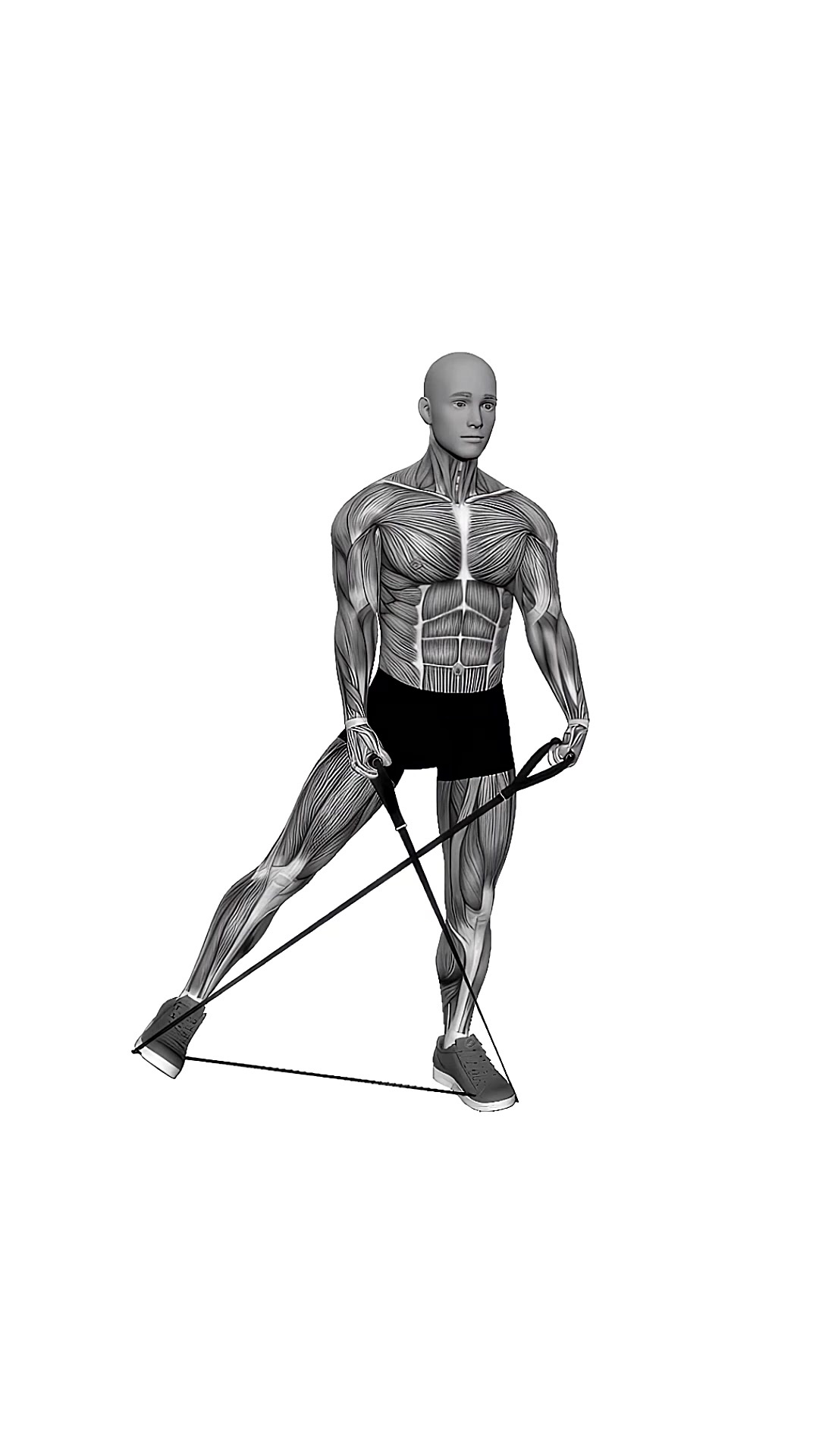
Band Cross Abduction
Resistance Band · Squat
B
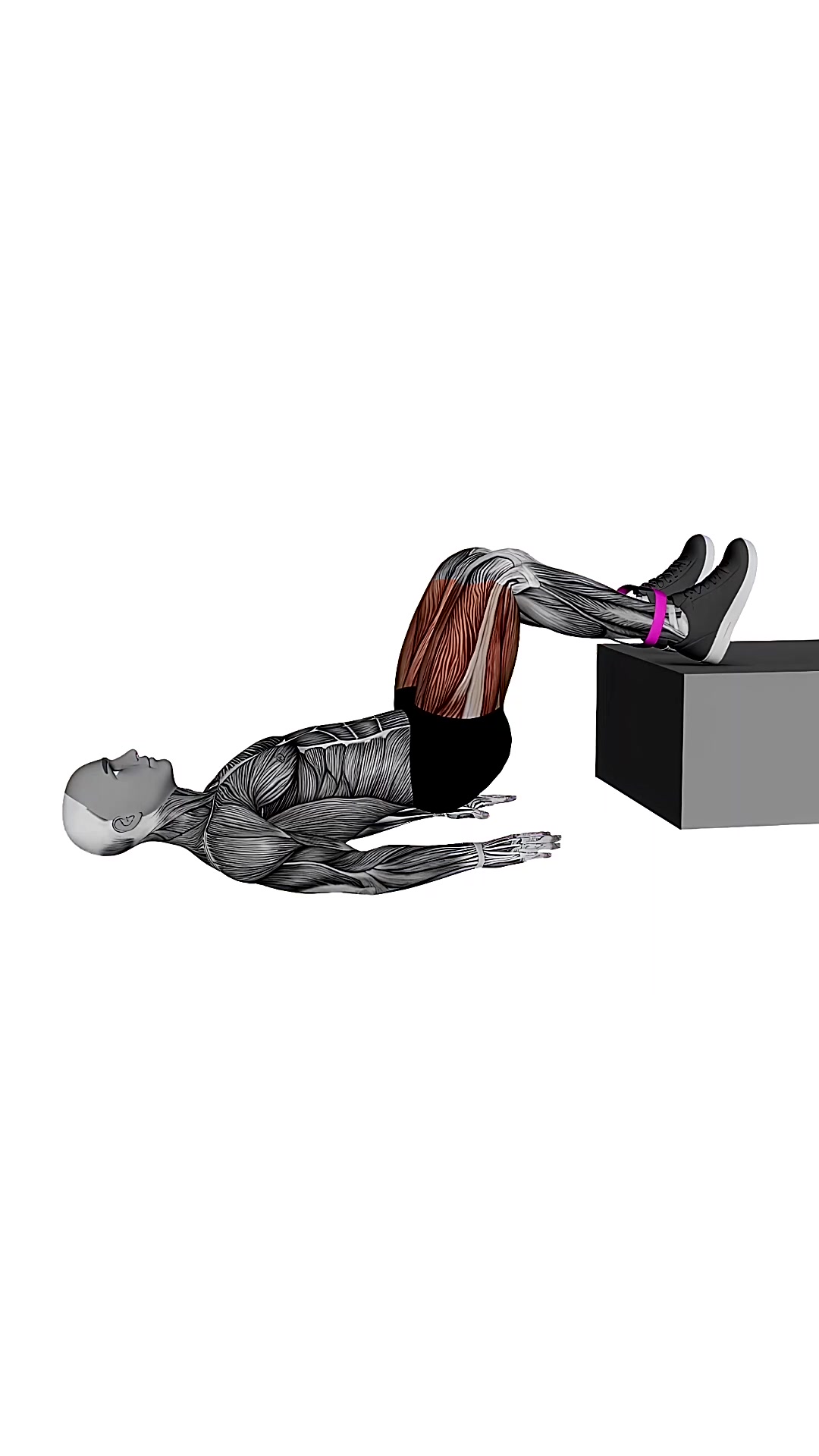
Banded Feet Elevated Hip Thrusters
Resistance Band · Hinge
A
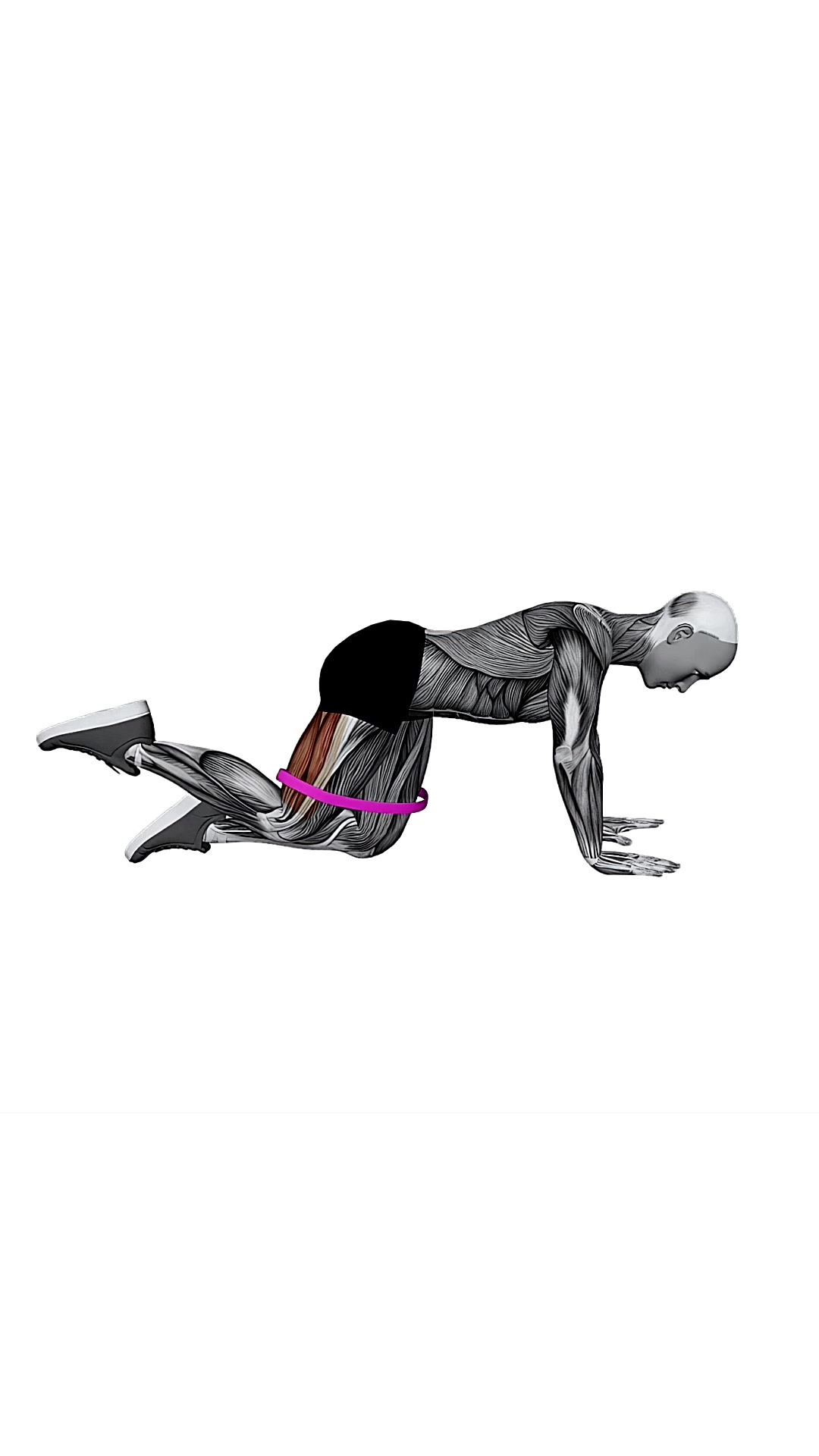
Resistance Band Bent Leg Kickback (kneeling)
Resistance Band · Squat
B
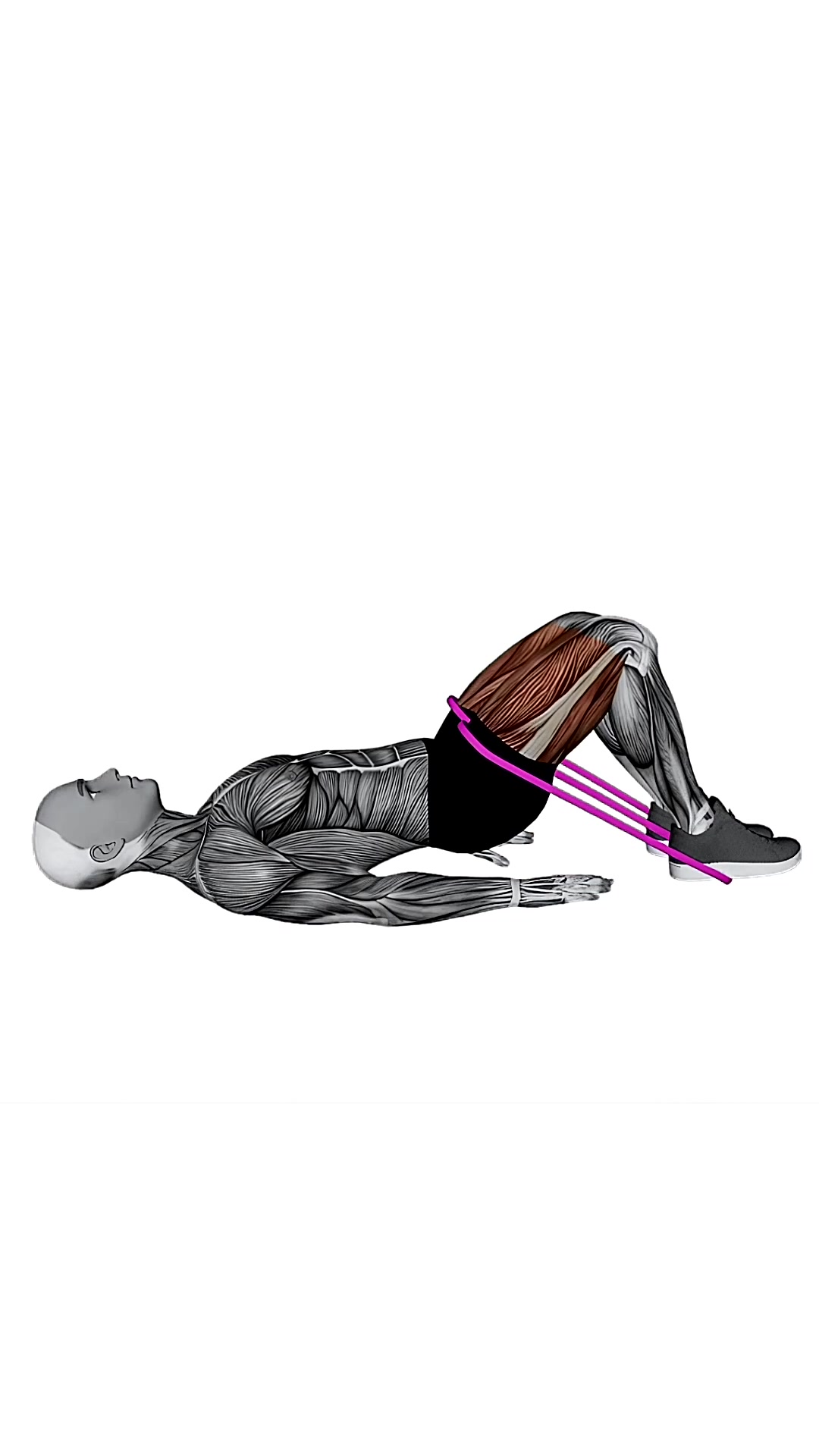
Resistance Band Hip Thrust (version 2)
Resistance Band · Hinge
B
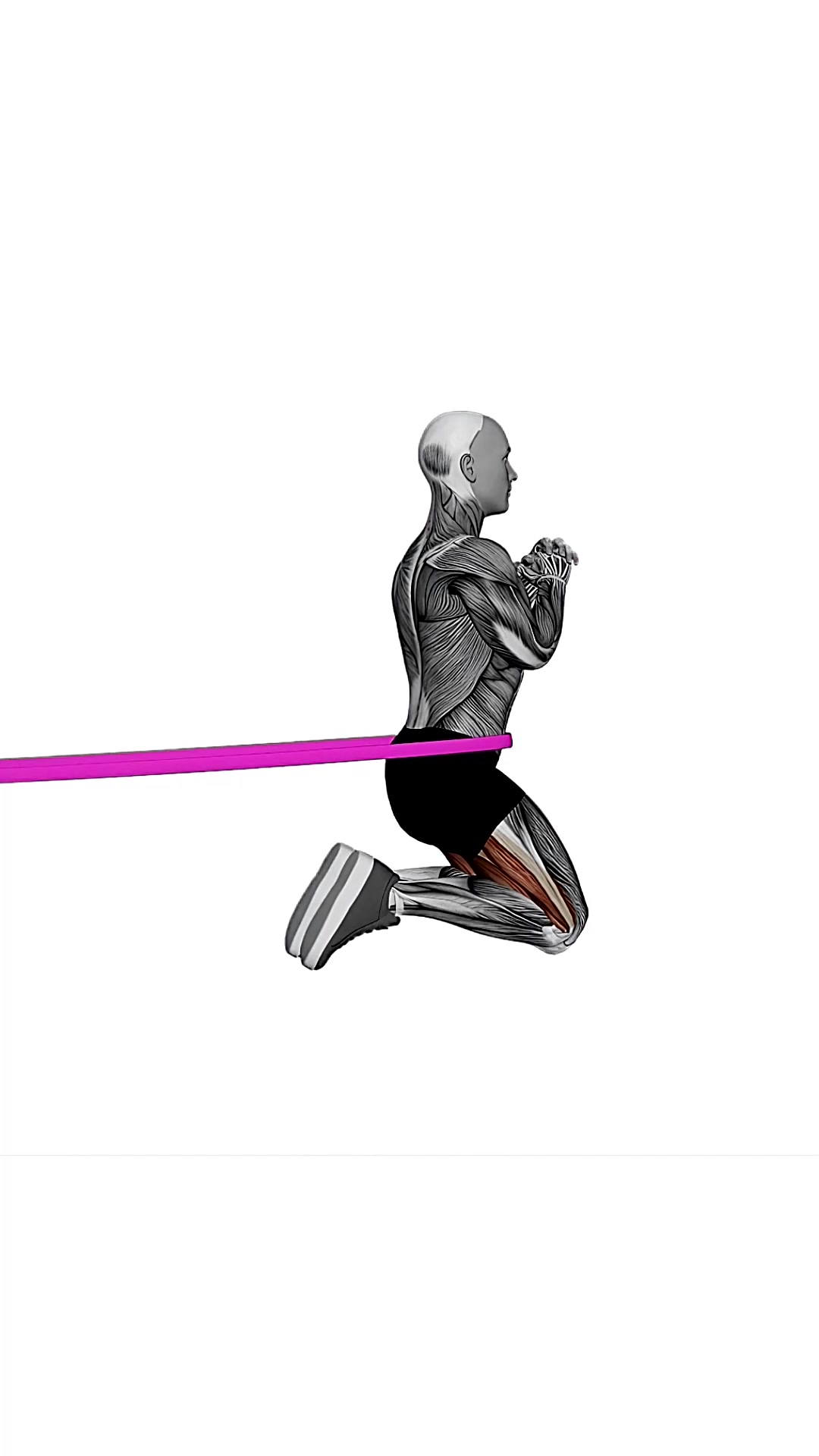
Resistance Band Hip Thrusts On Knees
Resistance Band · Hinge
B
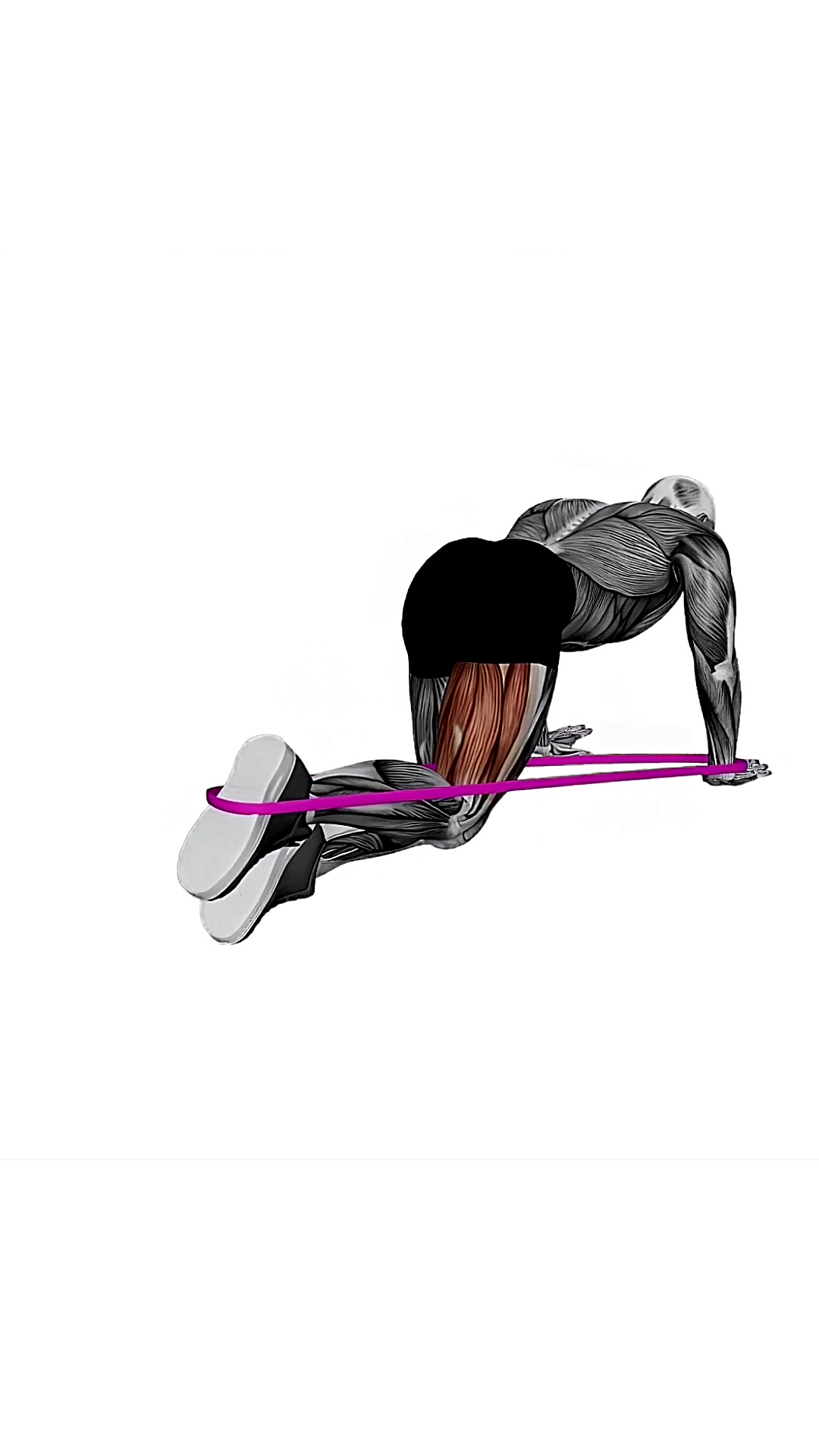
Resistance Band Leg Kickback
Resistance Band · Squat
B
Home ›
Glutes ›
Resistance Band Side Plank Glute Raise
Resistance Band Side Plank Glute Raise
GlutesResistance BandIsometricStrength
Your Goal General Fitness
Sets
2–3
Reps
10–15
Rest
60s
How To Perform
1
Get into a forearm or high plank with elbows under shoulders.
2
Keep your body in a straight line from head to heels — no raised hips or sagging.
3
Brace your core as if you're about to take a punch.
4
Squeeze your glutes and keep your legs straight.
5
Breathe steadily — don't hold your breath.
Pro Tips
Squeeze your glutes hard during the hold — it keeps your hips from sagging.
Push the floor away with your forearms — activates the serratus anterior.
Progress by extending hold time in 5-10 second increments rather than switching to harder variations too soon.
Overview
This legs exercise using a band places direct tension on the legs, with Glutes picking up the supporting work. The movement pattern makes it well suited for both beginners building a base and experienced lifters adding volume.
Muscles Worked
Legs
75%
Glutes
42%
Hamstrings
32%
Calves
22%
Common Mistakes
Raising the hips too high — your body should be in a straight line, not an inverted V.
Holding your breath instead of breathing steadily.
Letting your hips sag toward the floor as fatigue sets in.
About Training Your Glutes
The glutes — primarily the gluteus maximus, with the medius and minimus on the side of the hip — are the strongest muscles in the body and the engine of hip extension. Well-developed glutes drive performance in squats, deadlifts, and sprints, and support the lower back and hips.
Hip thrusts and glute bridges load the glutes through their strongest range and are the most direct builders. Squats, lunges, and Romanian deadlifts add size through deep hip flexion, while abduction work and kickbacks target the upper and side glutes for shape and hip stability.
Focus on driving through the heels and squeezing the glutes hard at the top of each rep rather than arching the lower back.