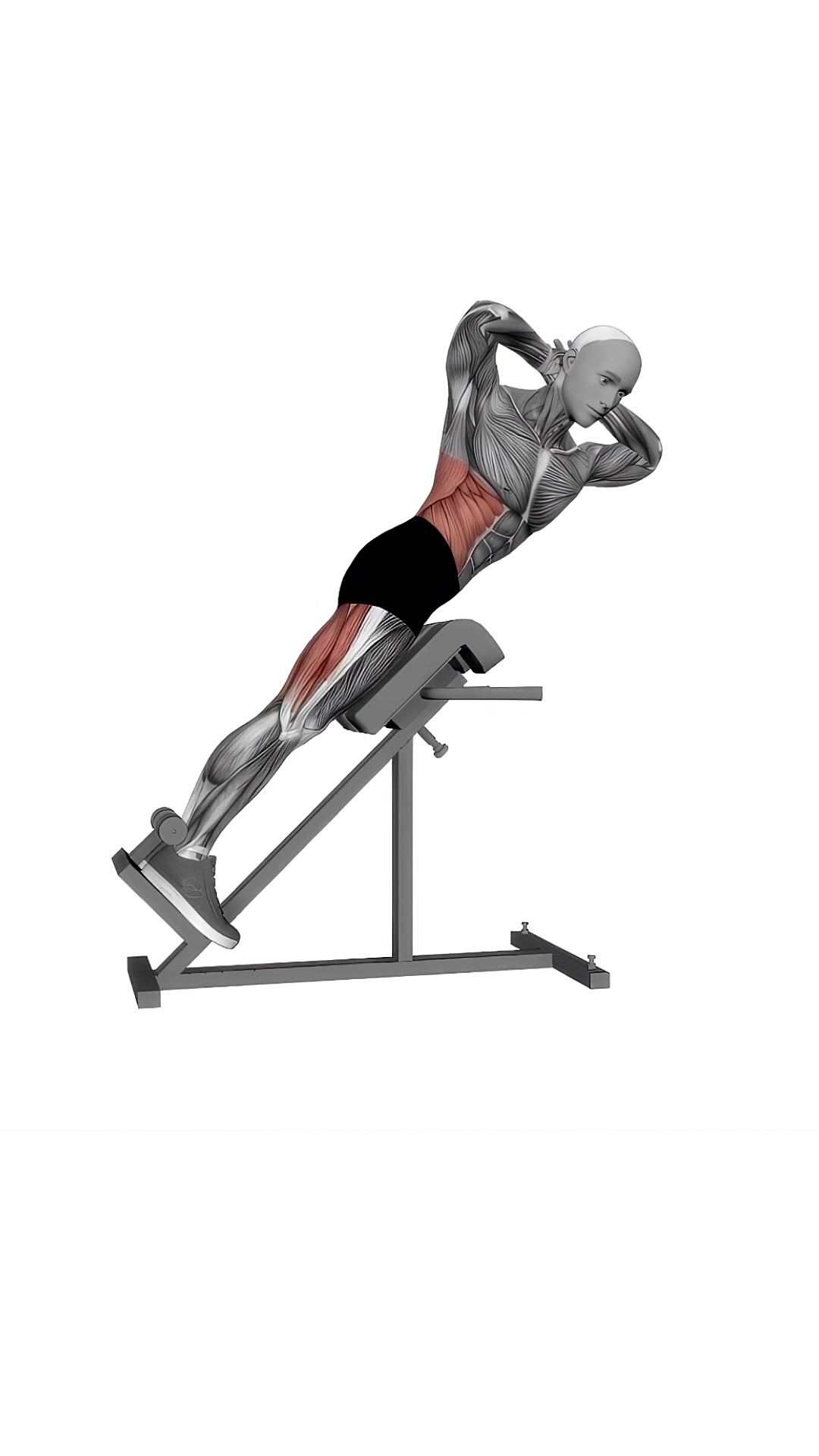
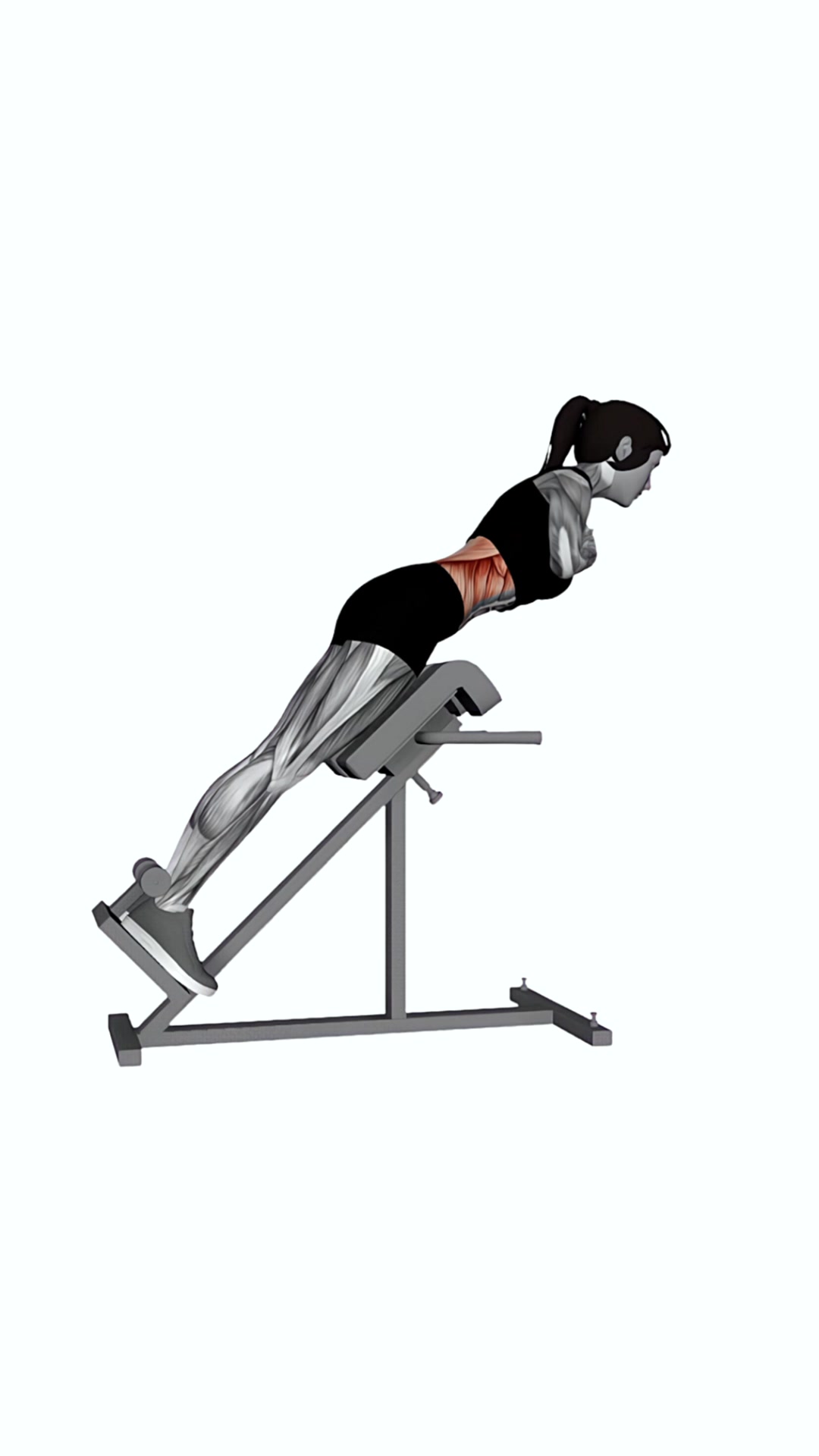
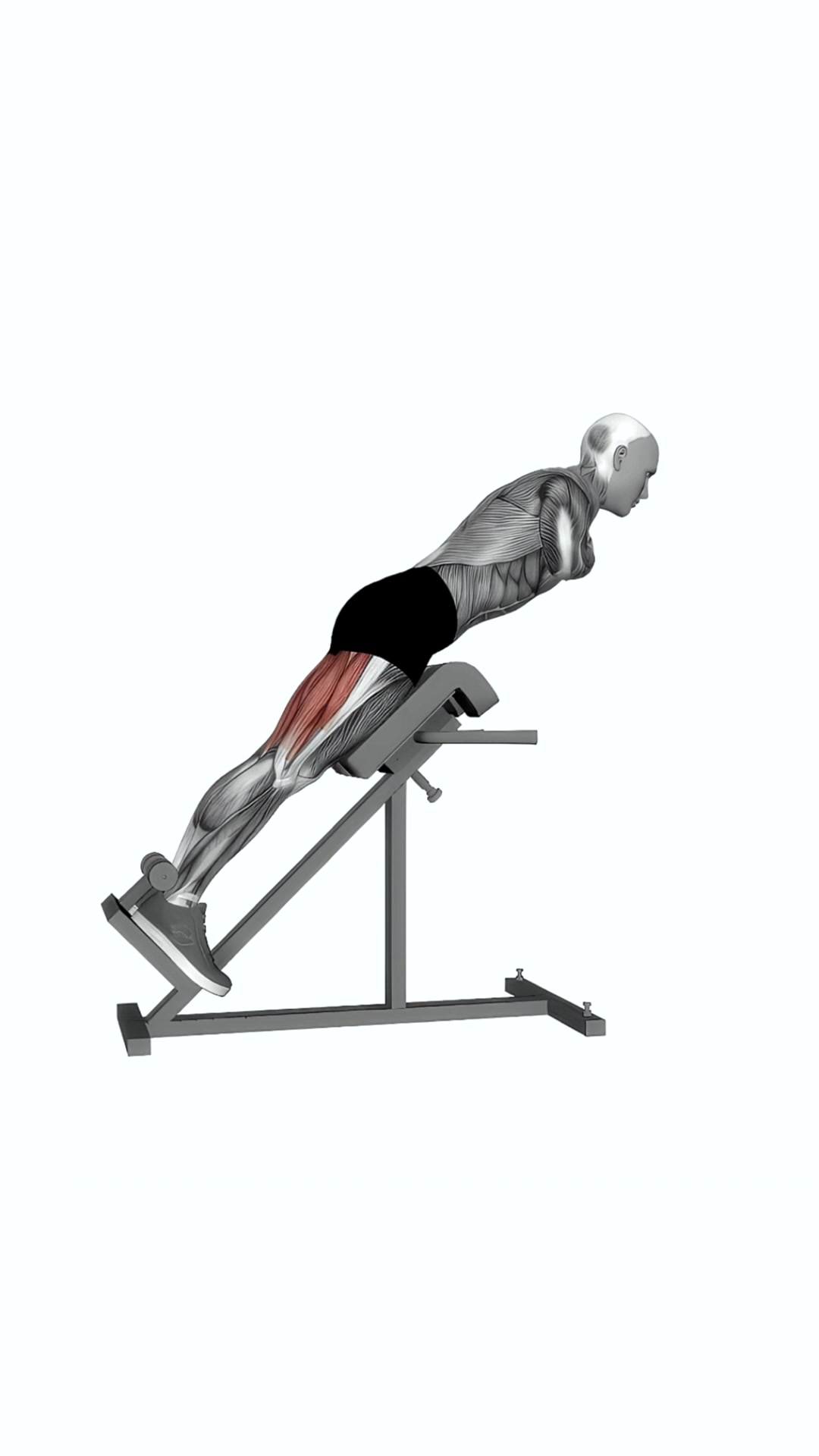
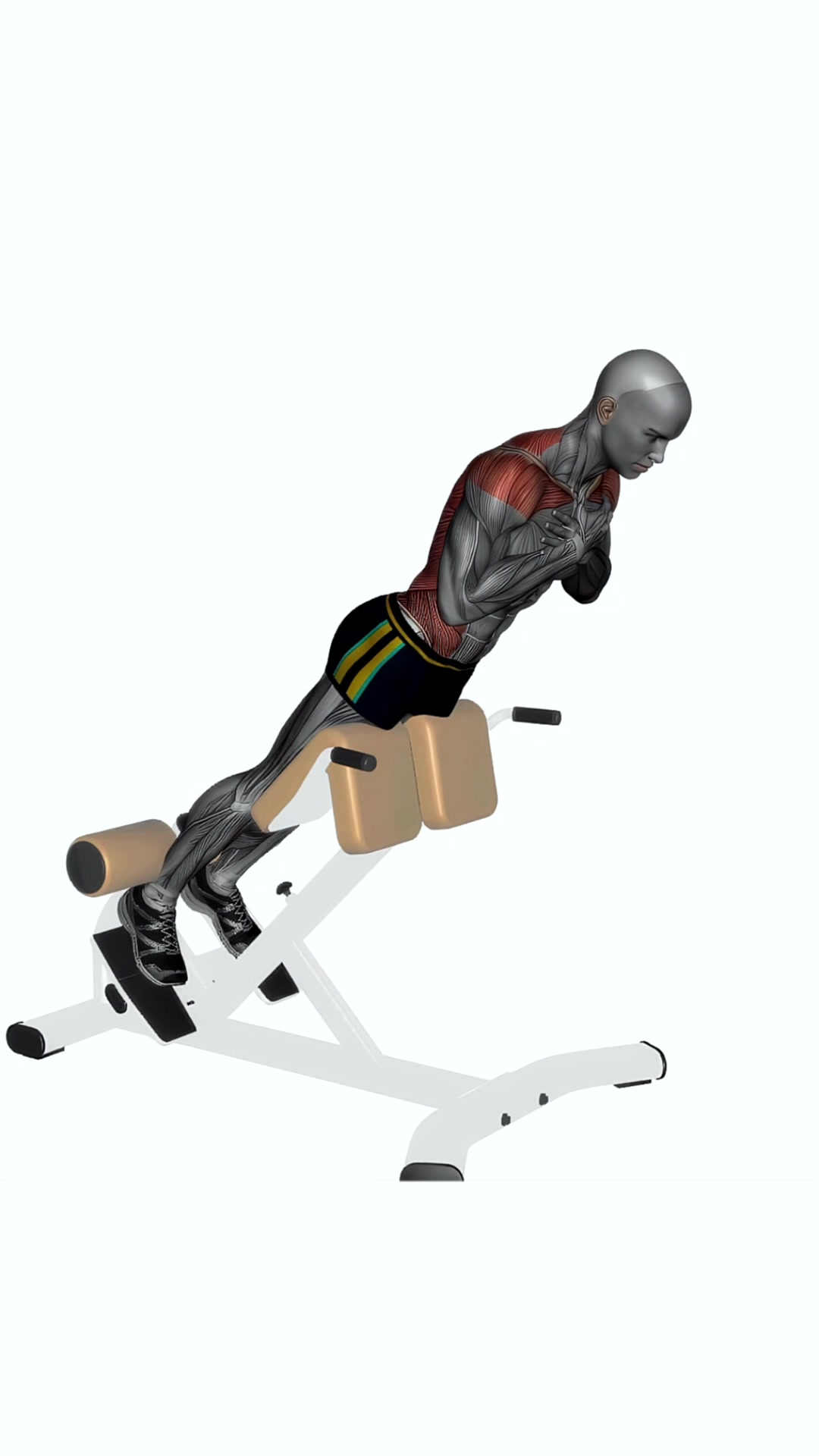
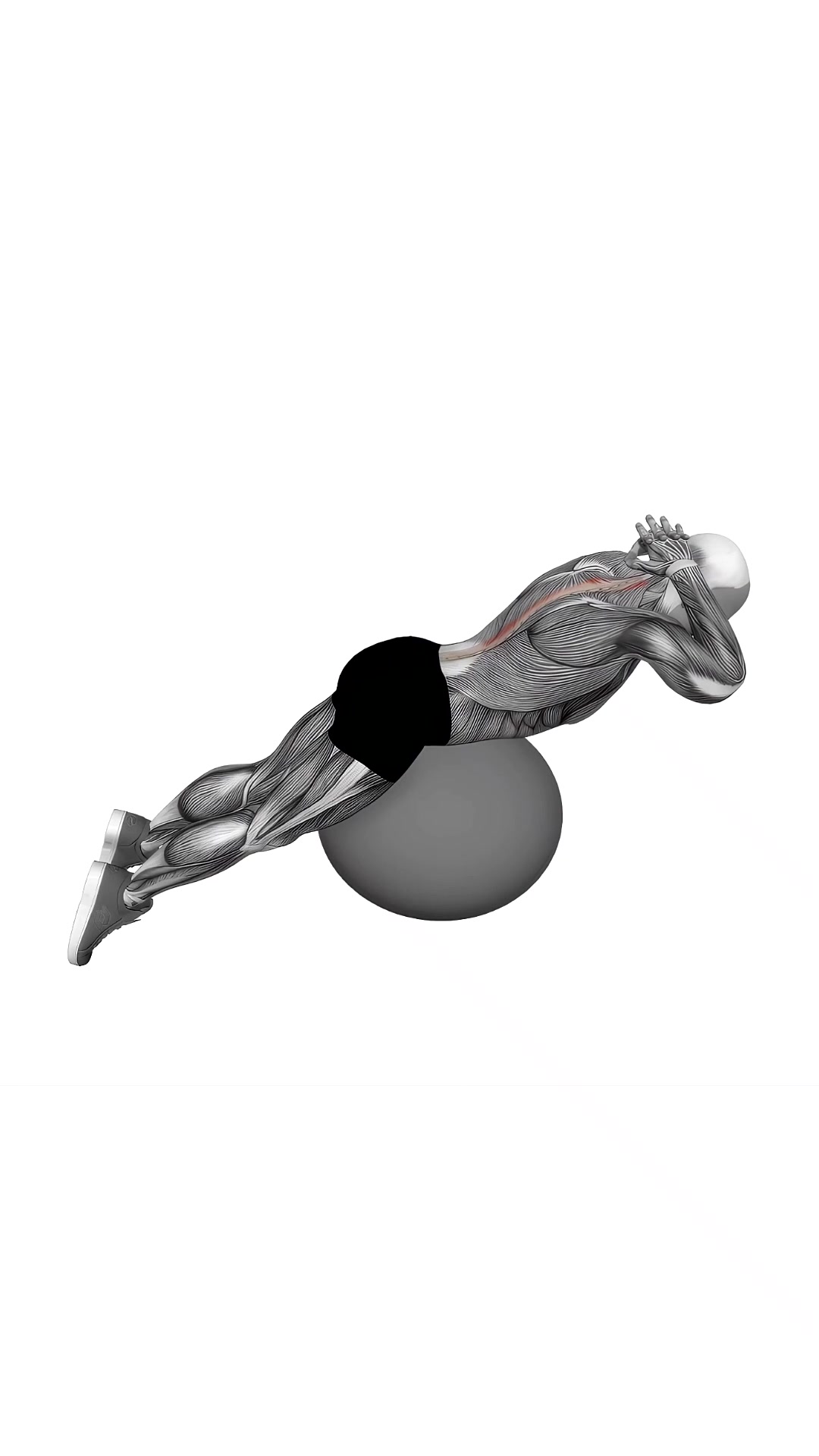
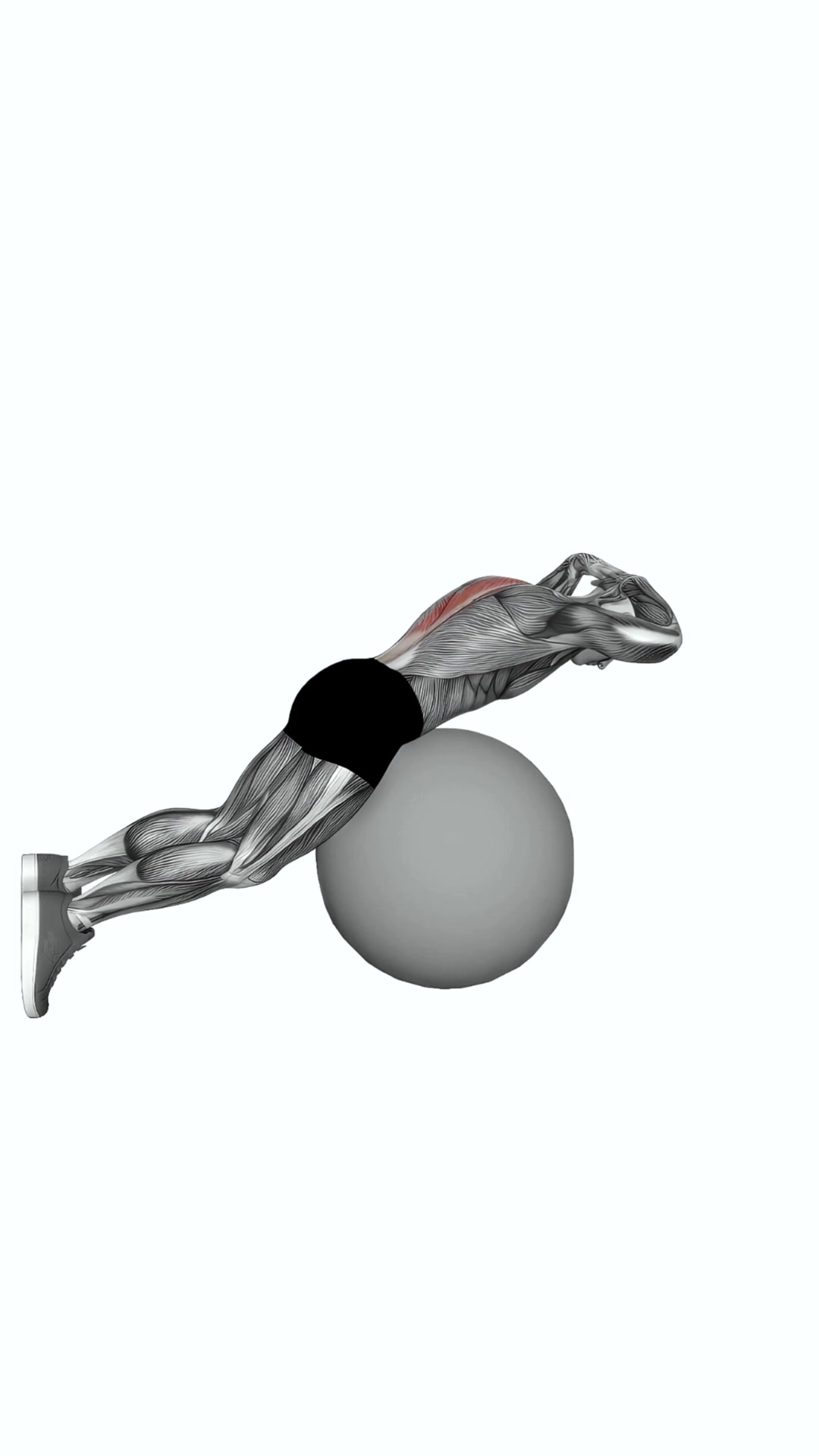
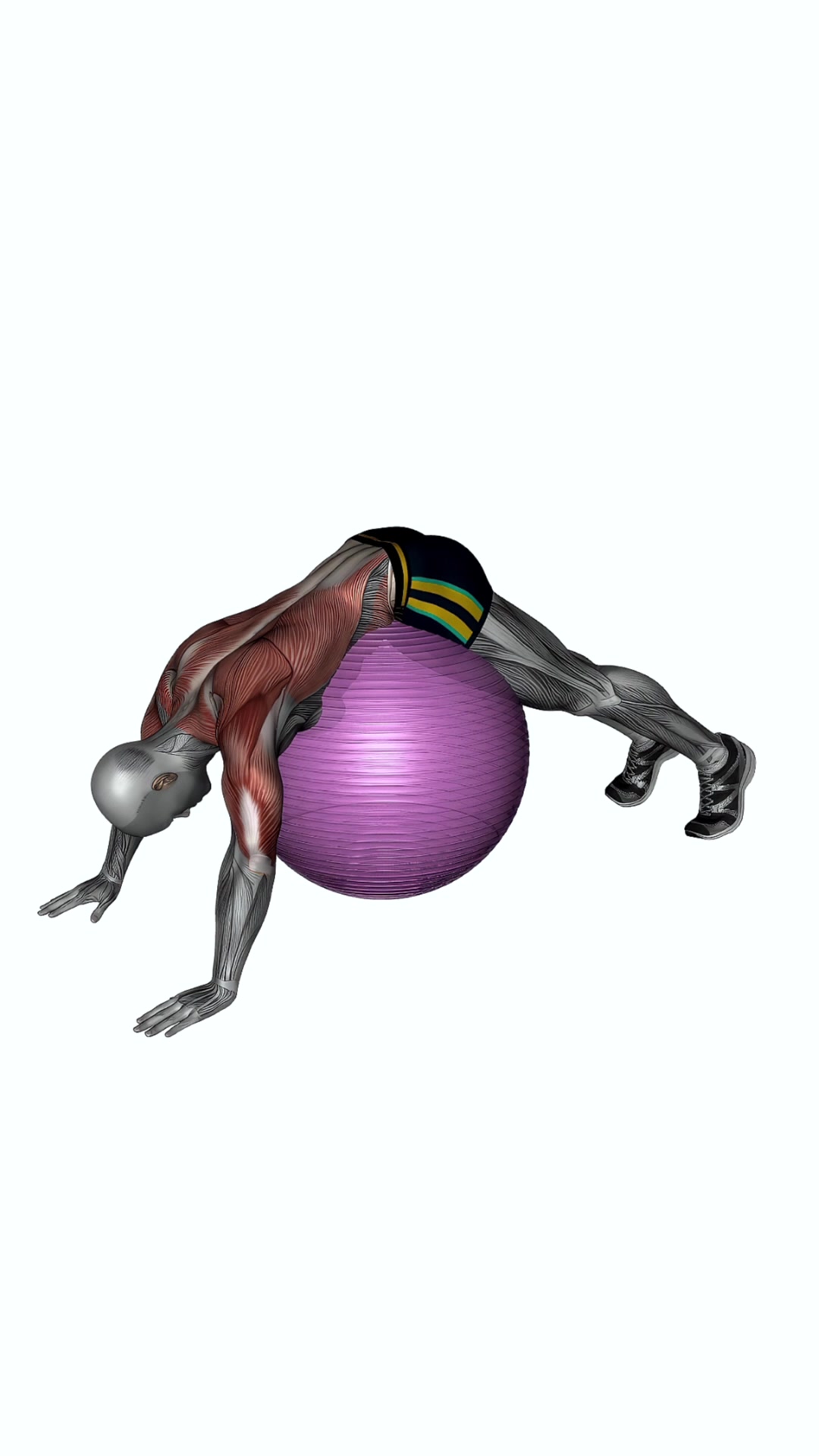
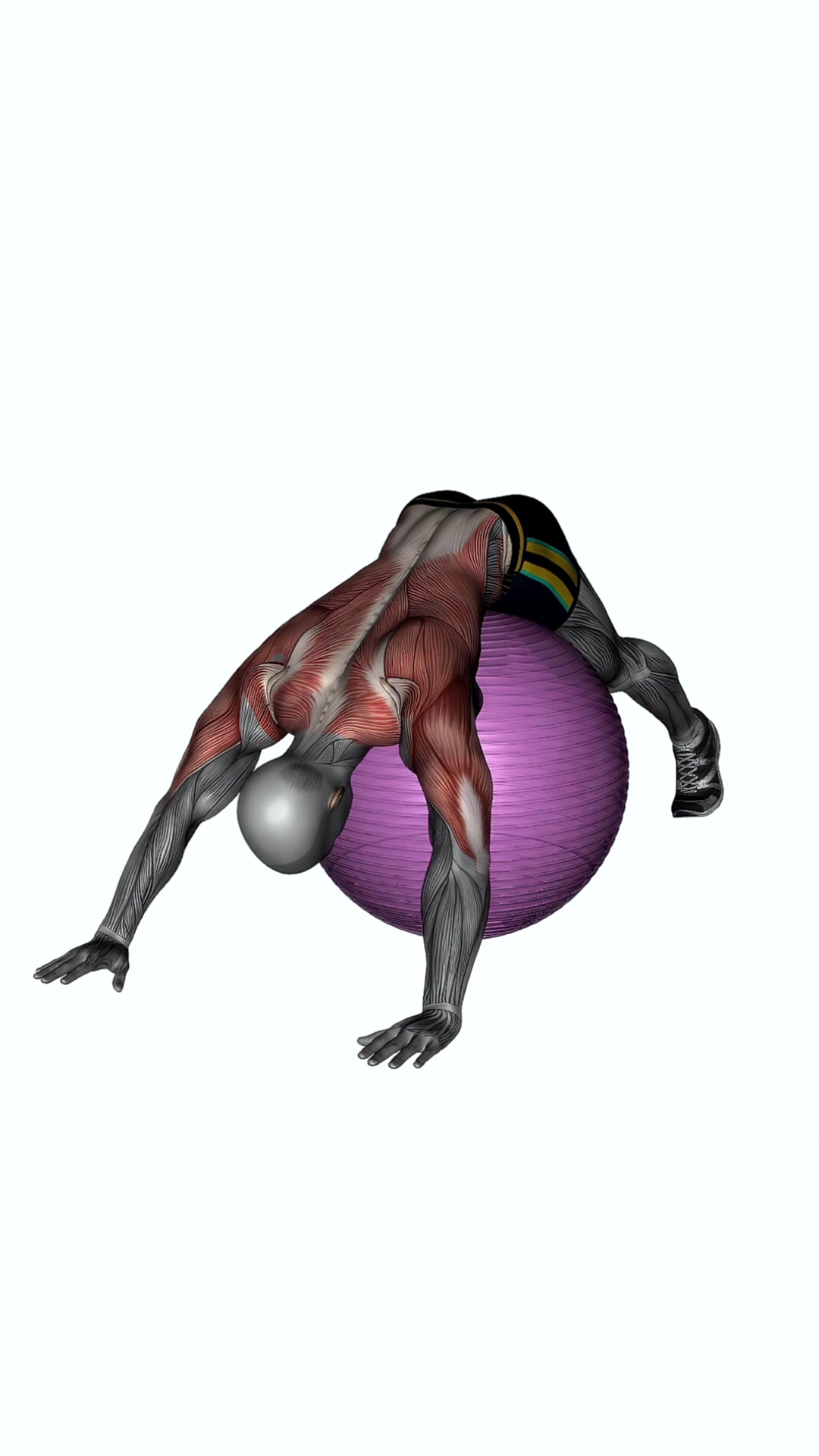
Get into the starting position as shown, keeping your back straight.
2
Move slowly into the stretch until you feel tension — not pain.
3
Hold for 20-30 seconds, breathing steadily throughout.
4
Release gently and repeat on the opposite side if applicable.
5
Never force the stretch — ease in a little further each time you exhale.
Pro Tips
Stretch after your workout when muscles are warm — you'll get further with less risk.
Breathe out as you ease deeper into the stretch.
Consistency matters more than intensity — daily short stretches beat occasional long ones.
Overview
A flexibility movement that loosens the stretching and surrounding tissue. Regular practice improves range of motion and reduces injury risk.
Muscles Worked
Stretching
75%
Common Mistakes
Forcing the stretch too aggressively — pain means you've gone too far.
Holding your breath instead of breathing steadily through the stretch.
Rushing through it — each position needs time to release properly.
About Training Your Lower Back
The lower back — chiefly the erector spinae running along the spine — keeps you upright, stabilises the trunk under load, and works alongside the glutes and hamstrings to extend the hips. A strong, resilient lower back underpins nearly every heavy lift and protects against everyday injury.
The deadlift and its variations are the primary builders, loading the entire posterior chain. Back extensions, good mornings, and rack pulls add targeted strengthening, while bracing during squats and carries trains the spinal stabilisers.
Technique is paramount: maintain a neutral spine, brace the core hard, and hinge from the hips rather than rounding the back. Build load gradually and never sacrifice form for weight.