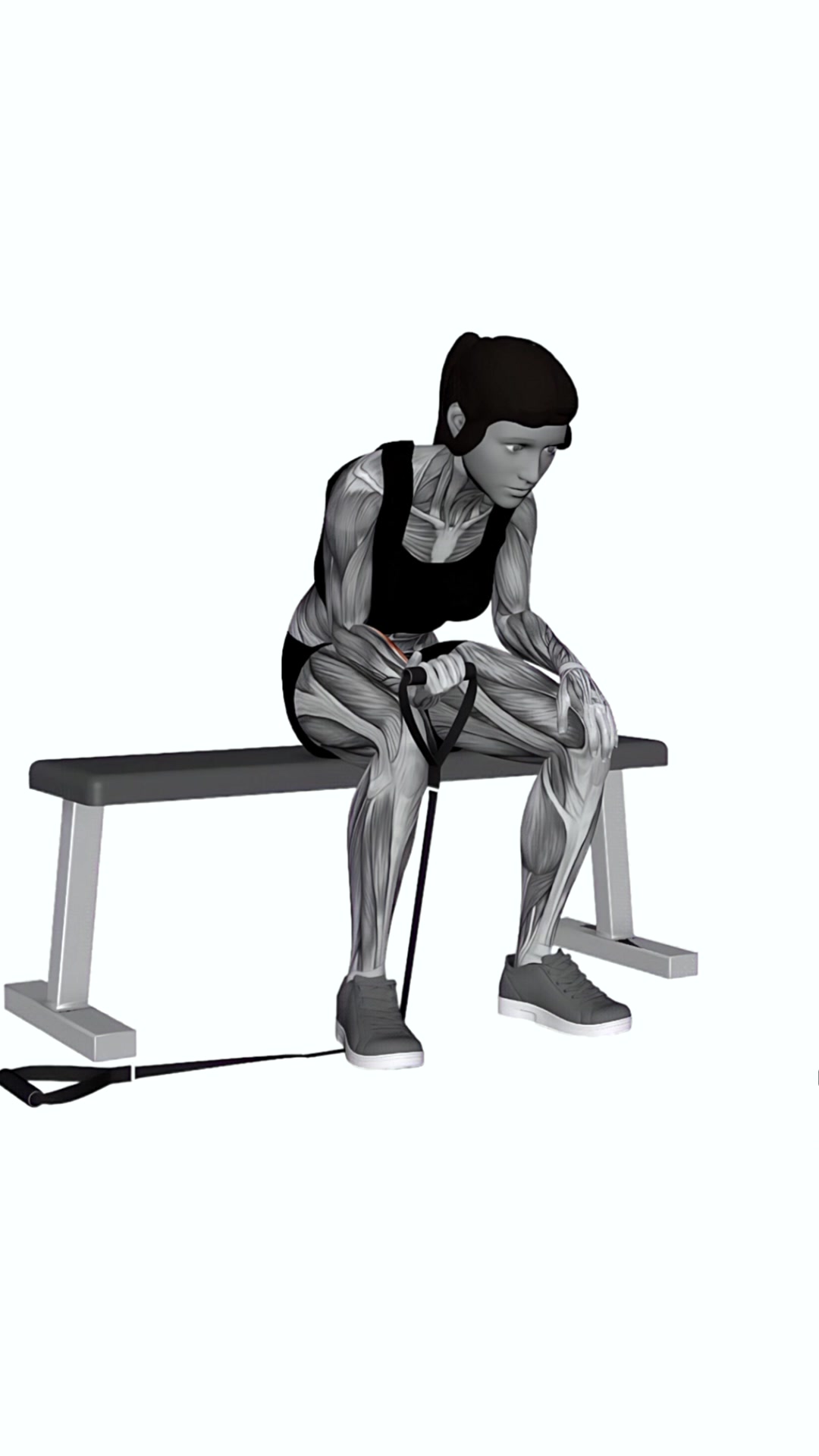
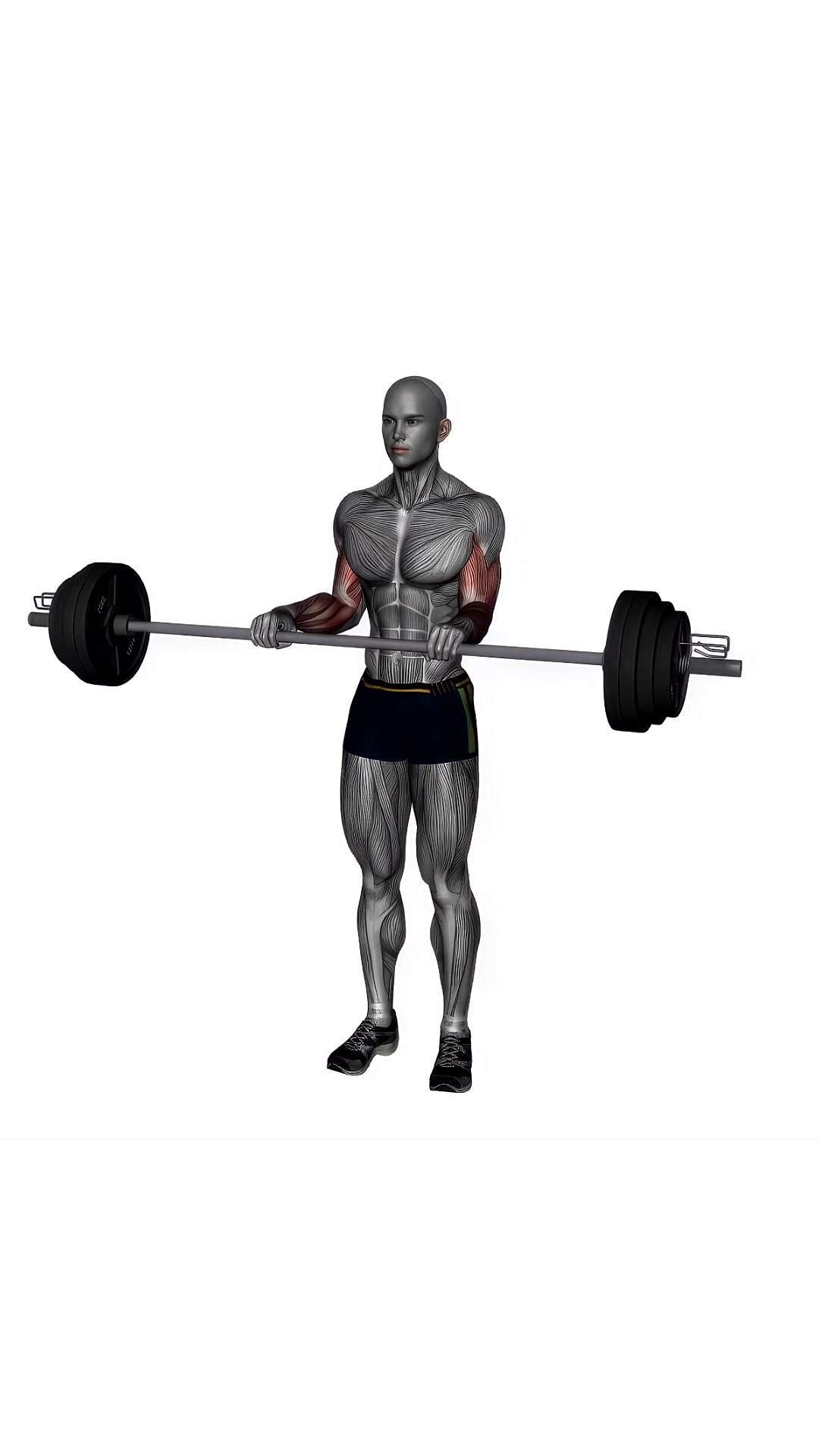
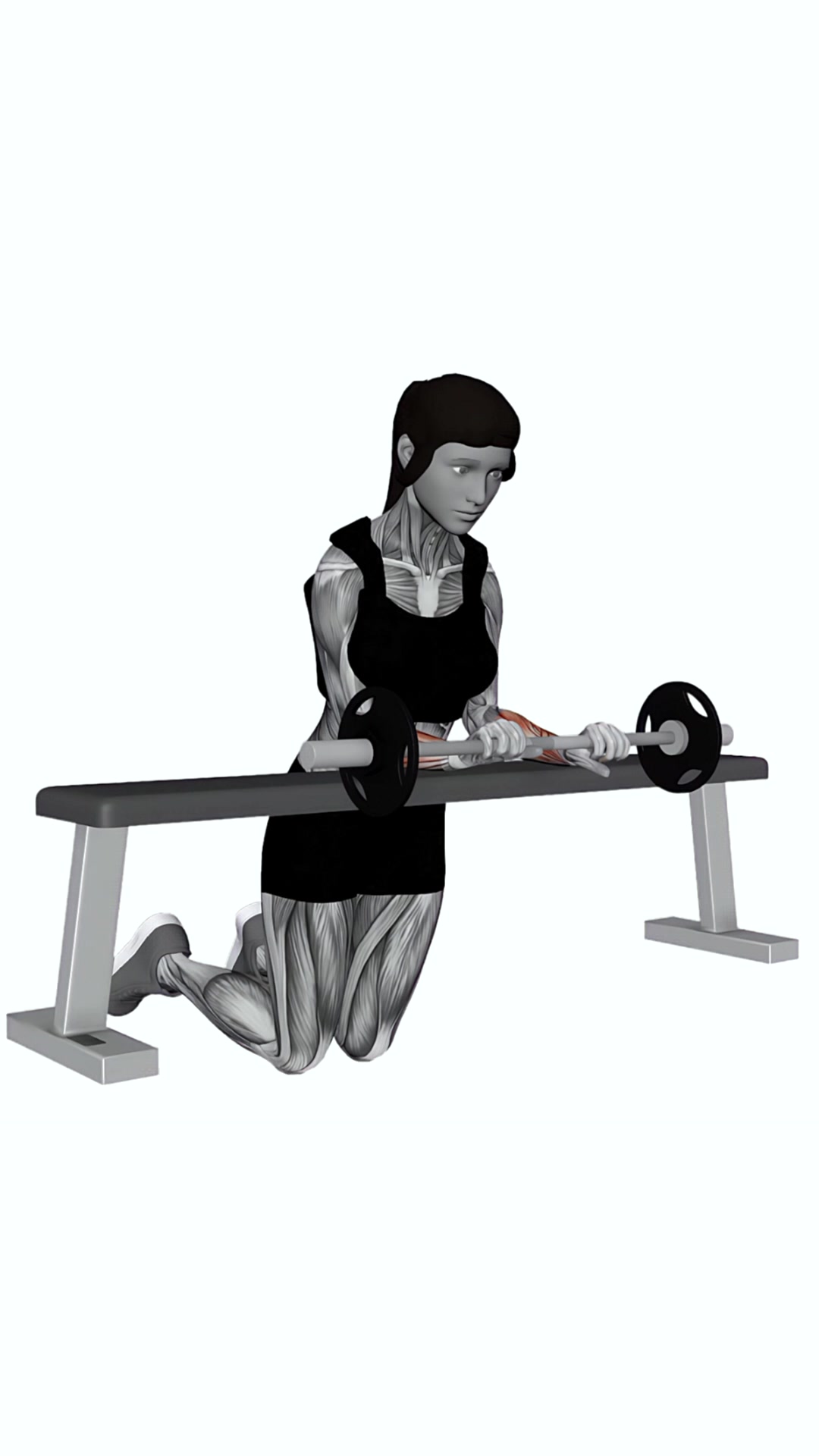
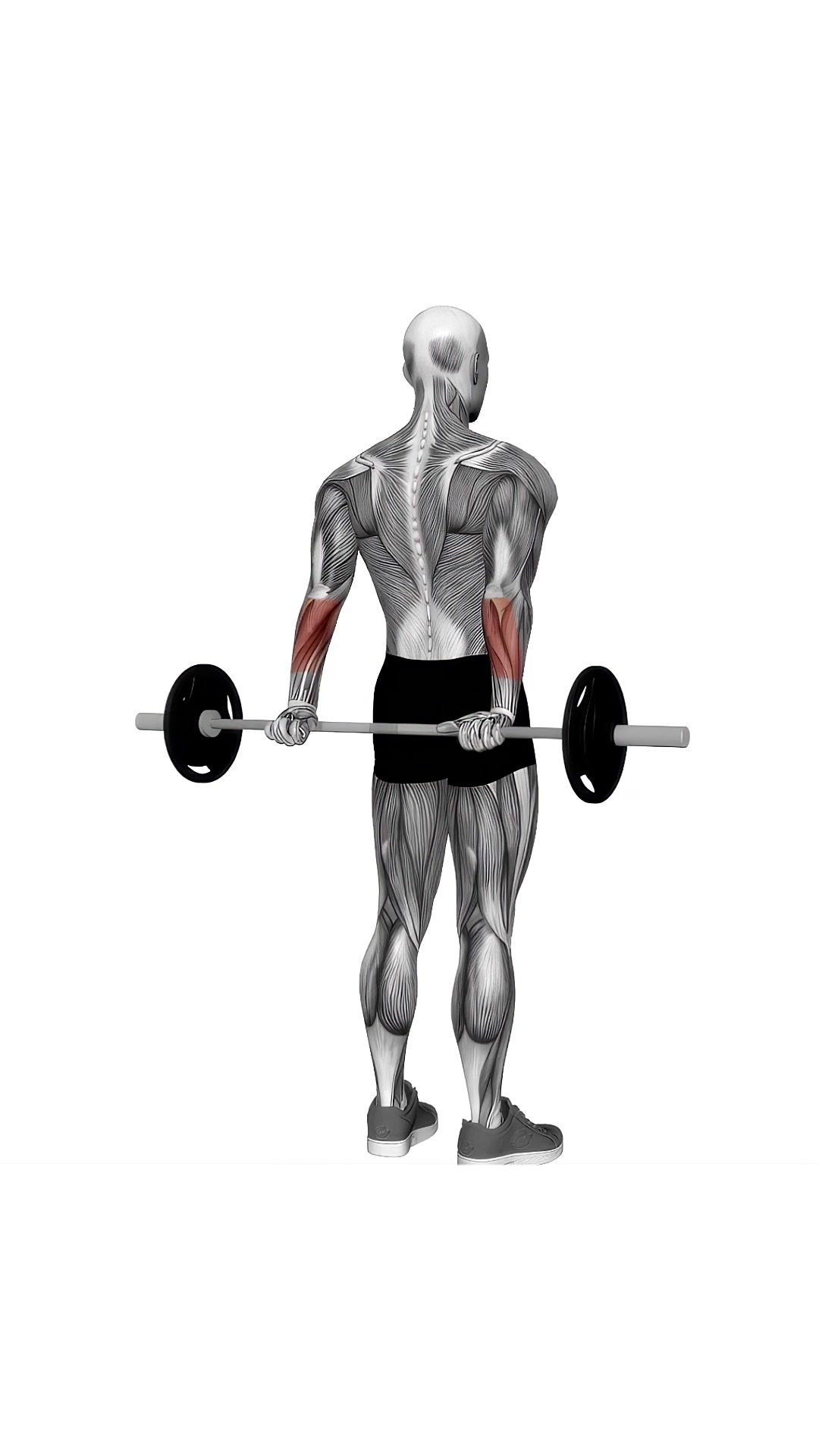
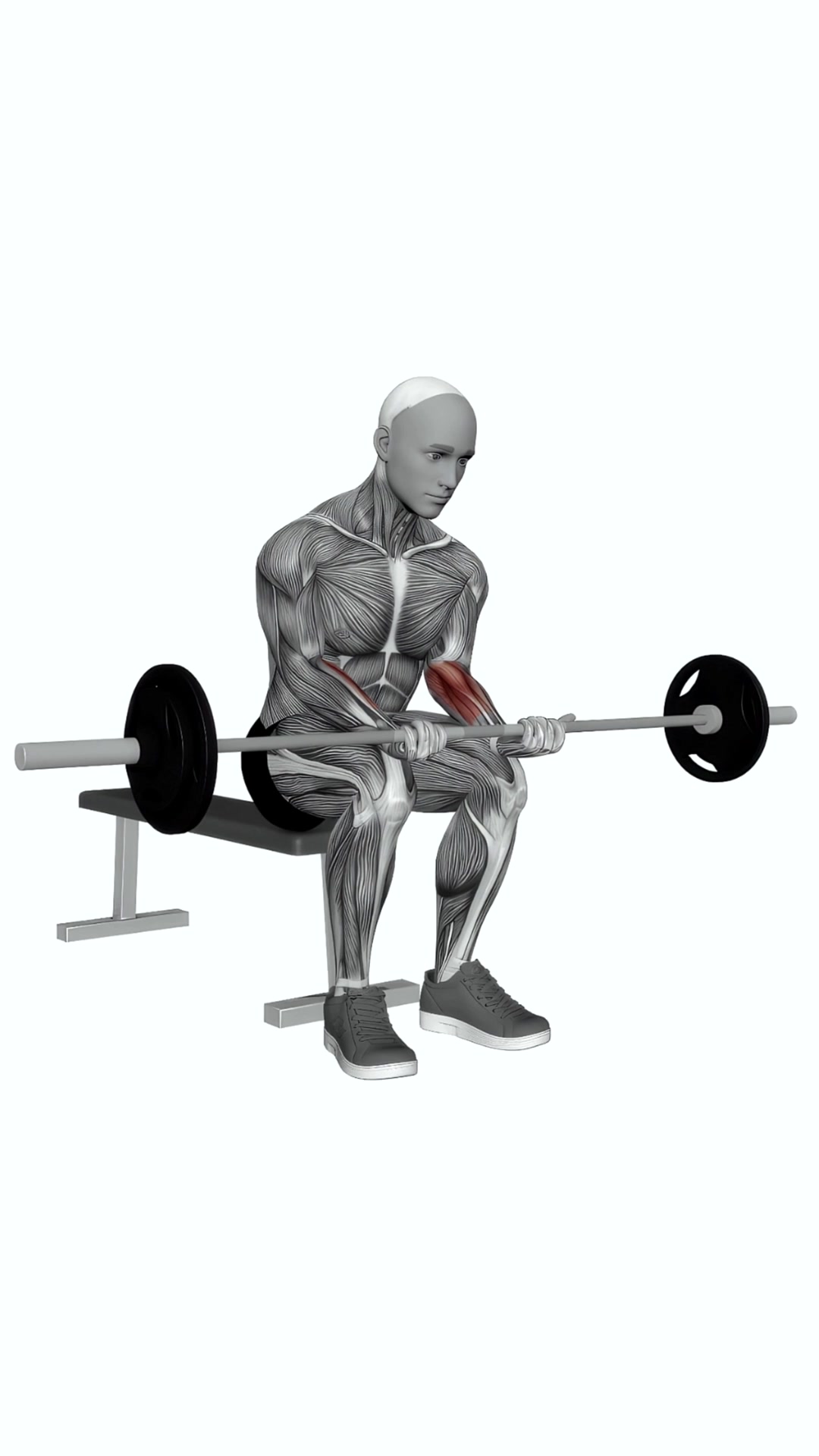
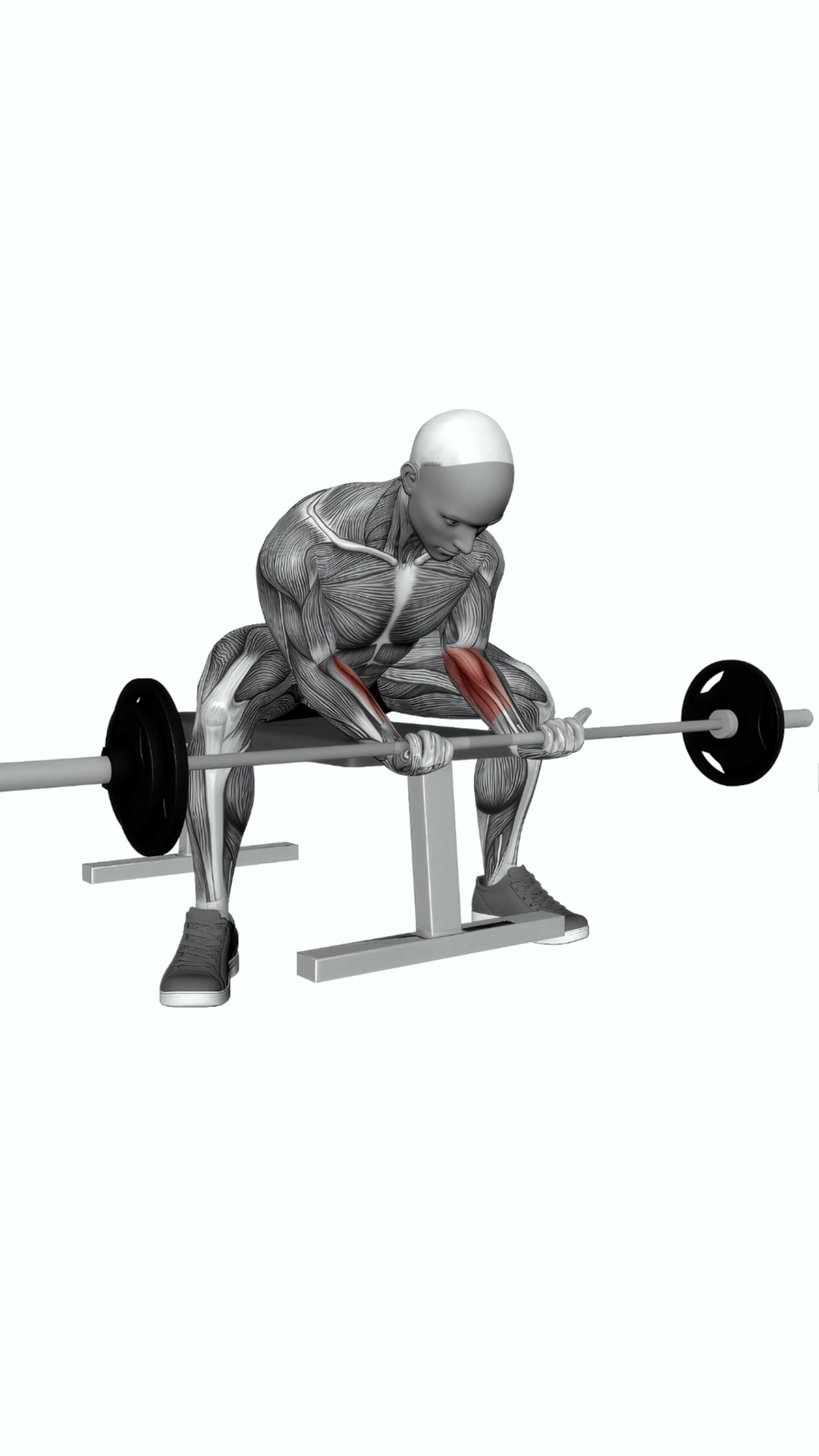
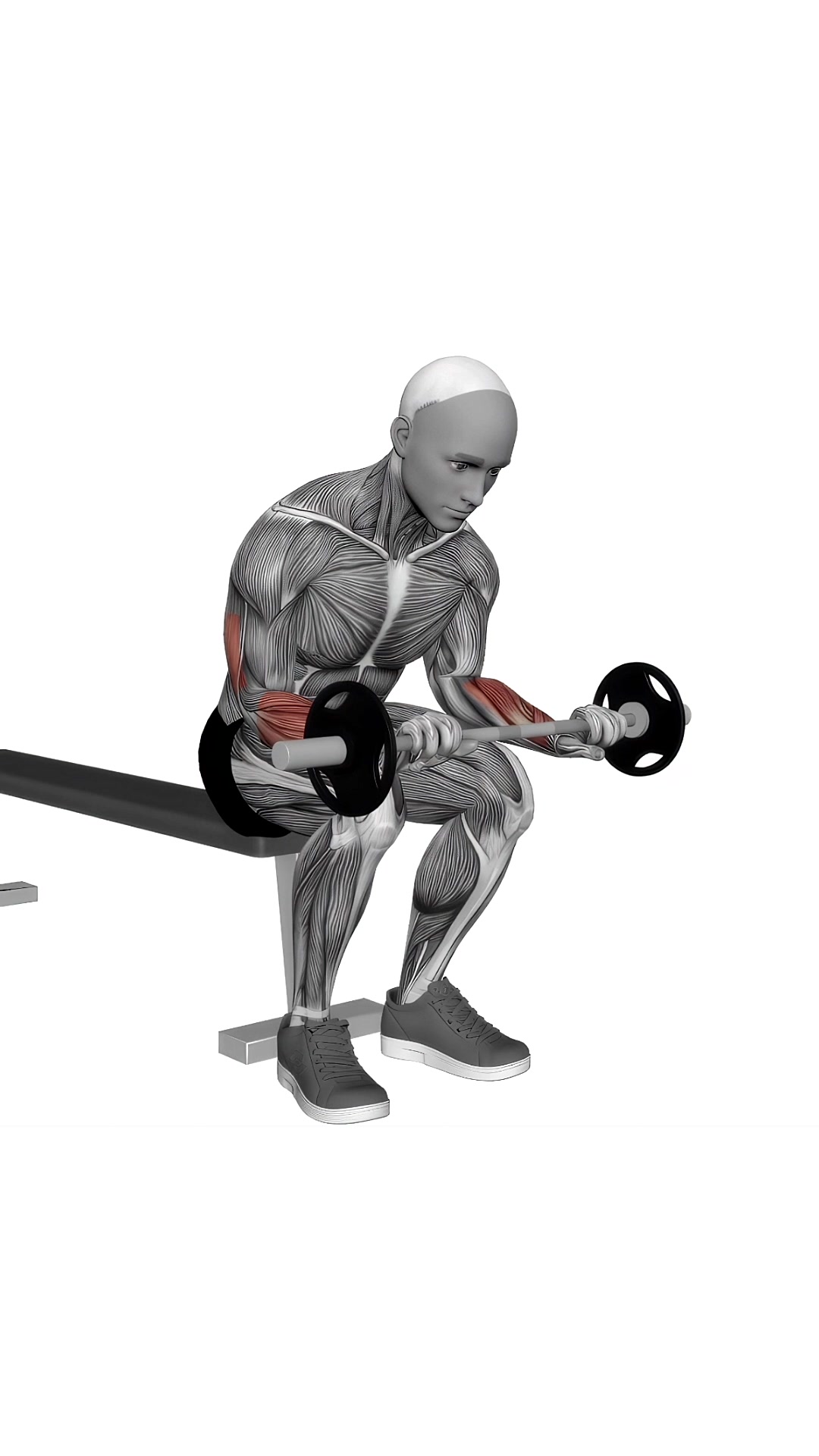
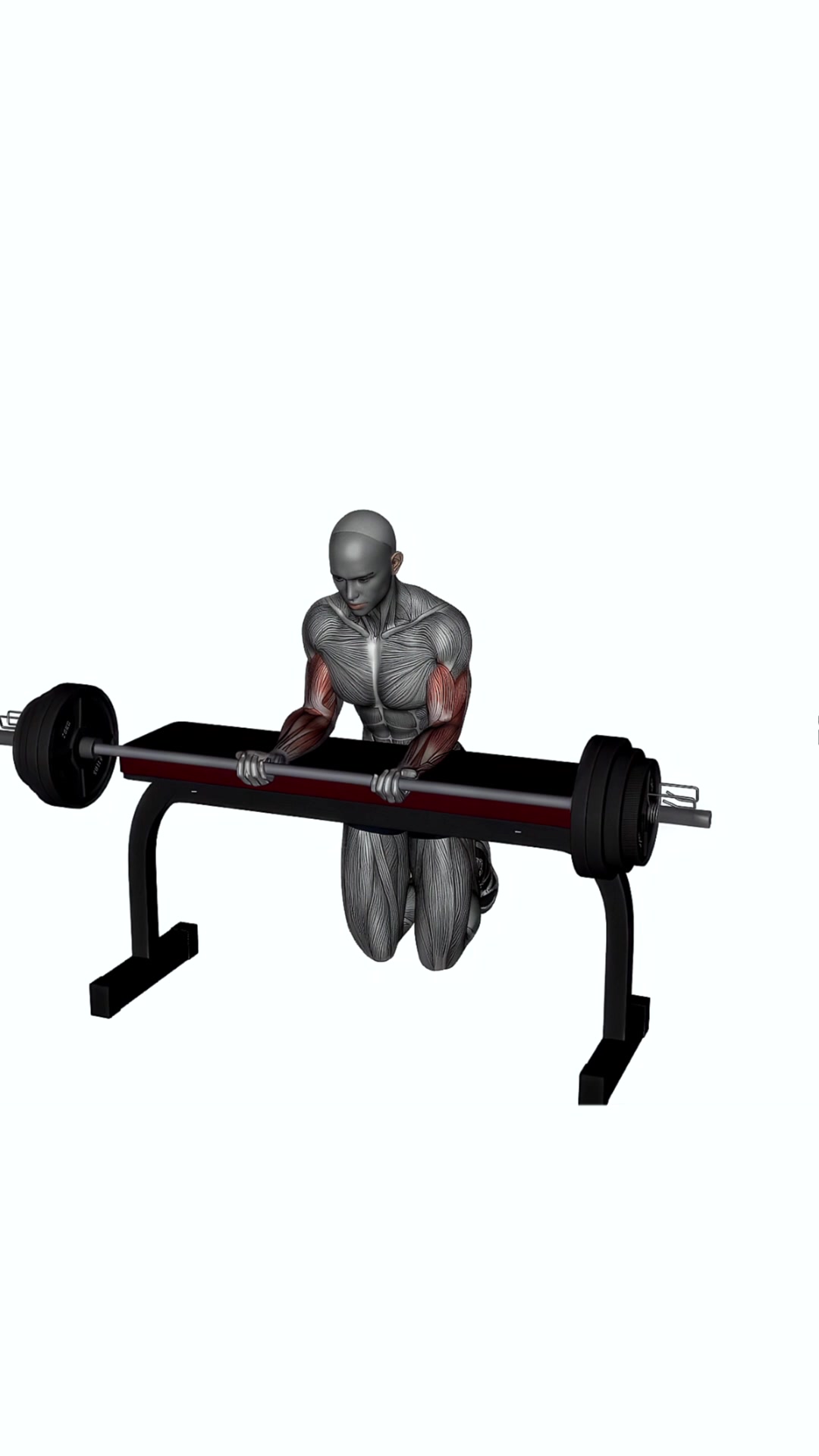
Get into the starting position as shown, keeping your back straight.
2
Move slowly into the stretch until you feel tension — not pain.
3
Hold for 20-30 seconds, breathing steadily throughout.
4
Release gently and repeat on the opposite side if applicable.
5
Never force the stretch — ease in a little further each time you exhale.
Pro Tips
Stretch after your workout when muscles are warm — you'll get further with less risk.
Breathe out as you ease deeper into the stretch.
Consistency matters more than intensity — daily short stretches beat occasional long ones.
Overview
A flexibility movement that loosens the stretching and surrounding tissue. Regular practice improves range of motion and reduces injury risk.
Muscles Worked
Stretching
75%
Common Mistakes
Forcing the stretch too aggressively — pain means you've gone too far.
Holding your breath instead of breathing steadily through the stretch.
Rushing through it — each position needs time to release properly.
About Training Your Forearms
The forearms control grip strength and the movement of the wrist and fingers, and well-developed forearms improve performance on nearly every pulling, carrying, and pressing exercise. The main muscles are the wrist flexors on the inner forearm, the wrist extensors on the outer forearm, and the brachioradialis, which also assists in elbow flexion.
Forearms receive a great deal of indirect work from deadlifts, rows, pull-ups, and any exercise that challenges your grip, which is why many lifters never train them directly. To bring up lagging forearms or maximise grip, direct work helps: wrist curls and reverse wrist curls train the flexors and extensors, reverse curls build the brachioradialis and forearm thickness, and loaded carries such as farmer's walks build crushing grip strength and overall robustness.
Forearms are dense with endurance-oriented muscle fibres and tolerate — even prefer — higher rep ranges and frequency. Training them in the 12 to 20 rep range several times per week, often at the end of a pulling or arm session, produces steady gains. Because grip is involved in so much of your training, stronger forearms translate directly into being able to hold heavier weights for more reps across the board.
Use the popular forearm and grip exercises below to round out your arm development and build a stronger, more capable grip.