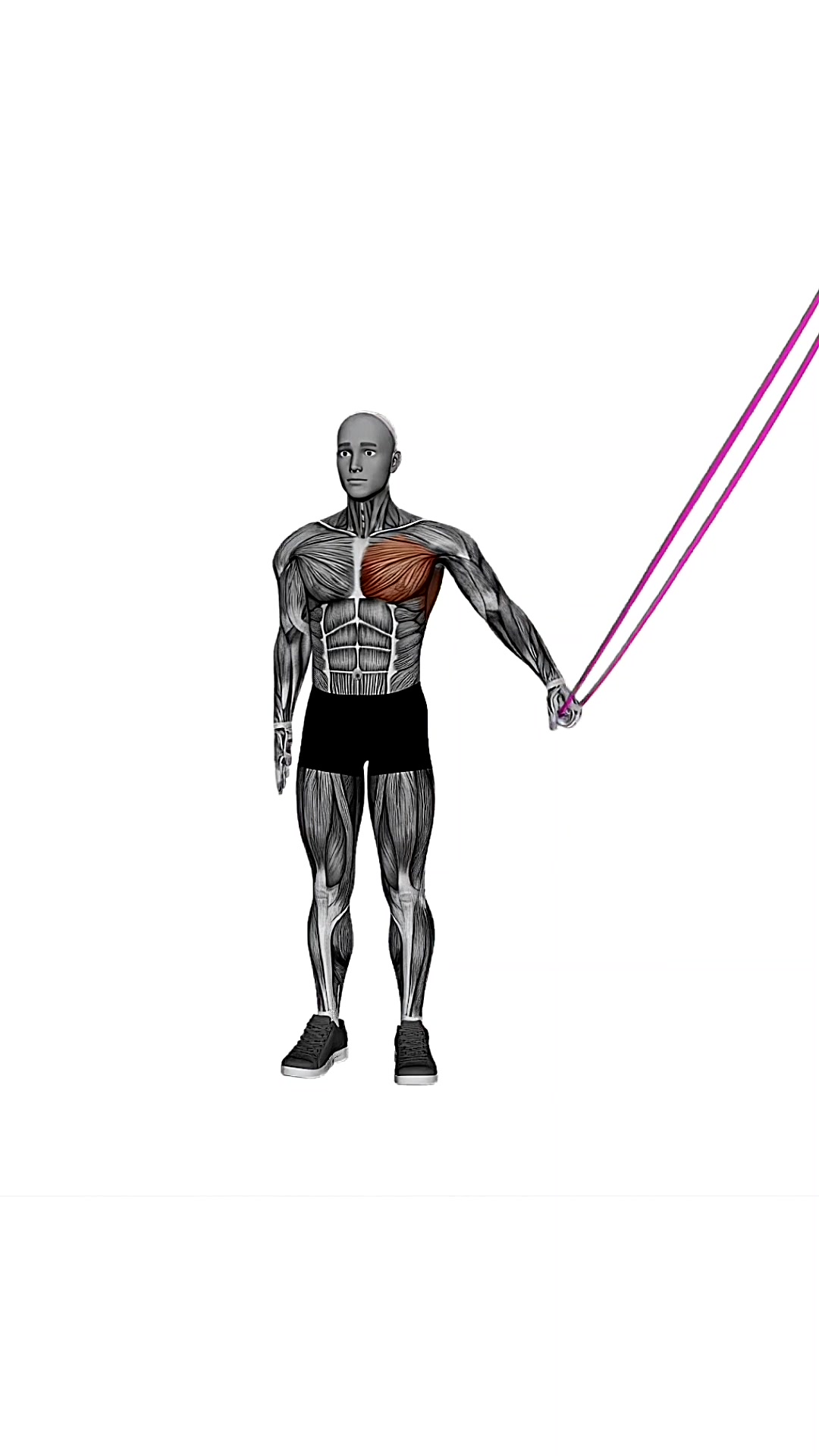
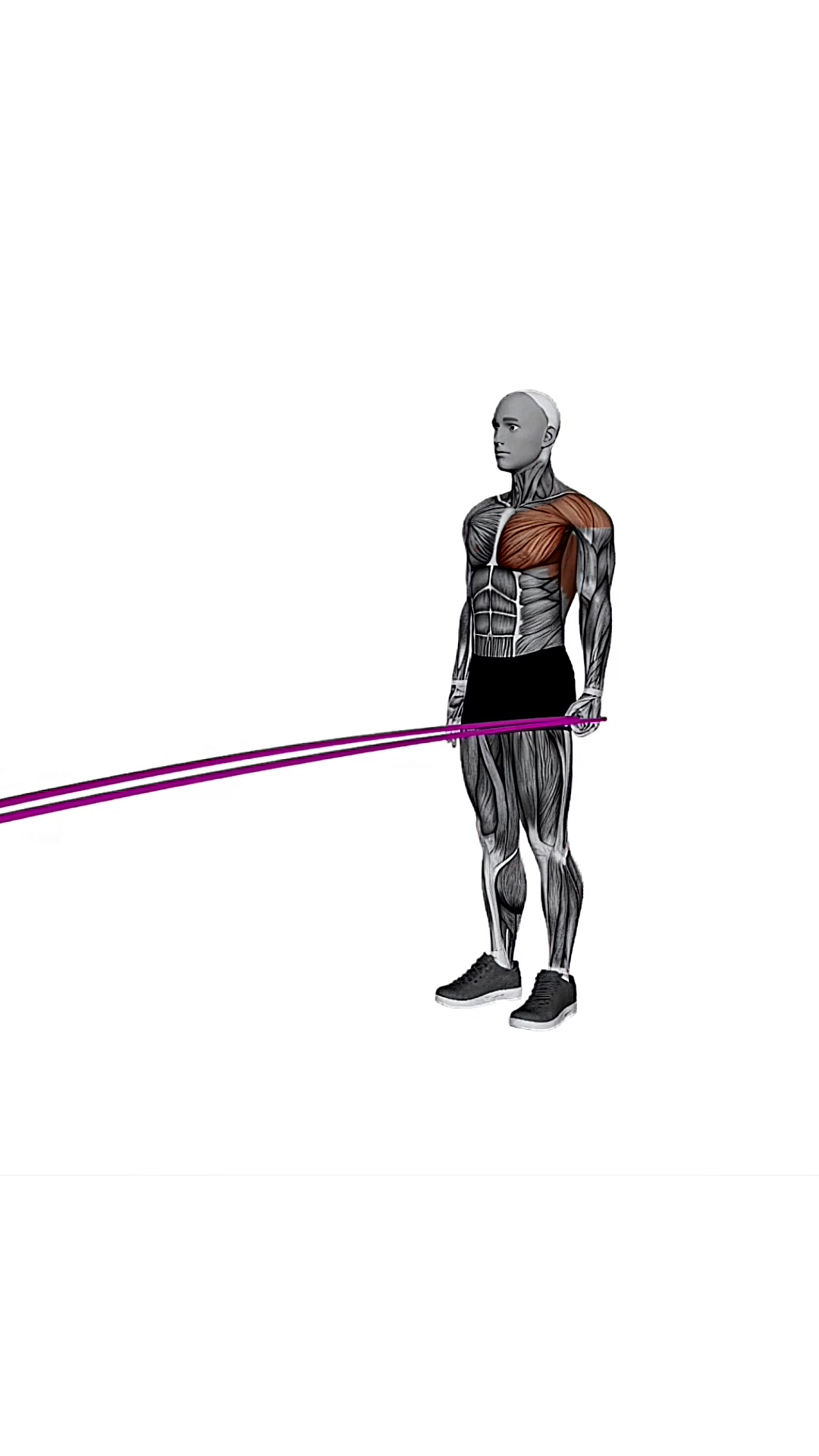
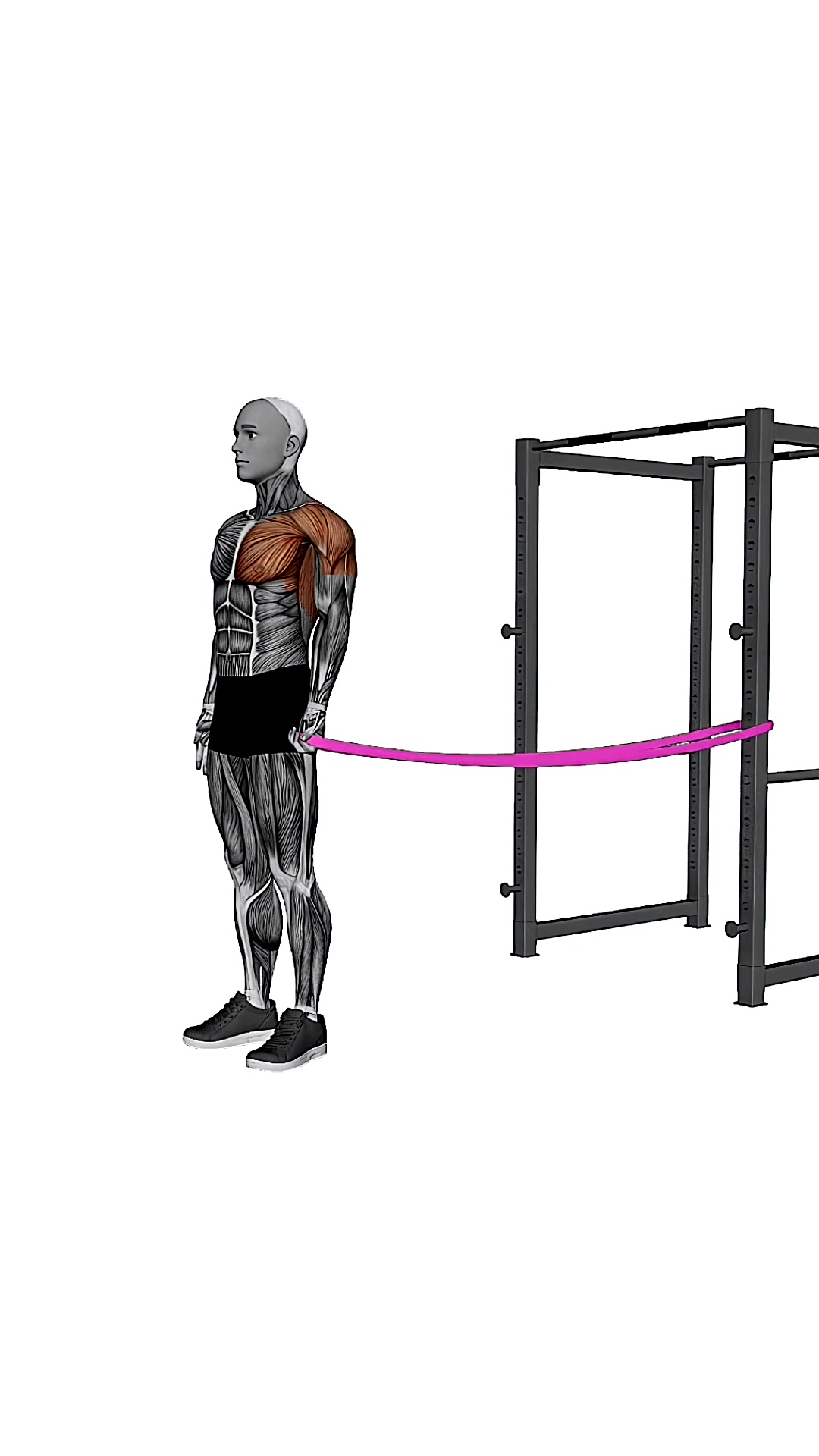
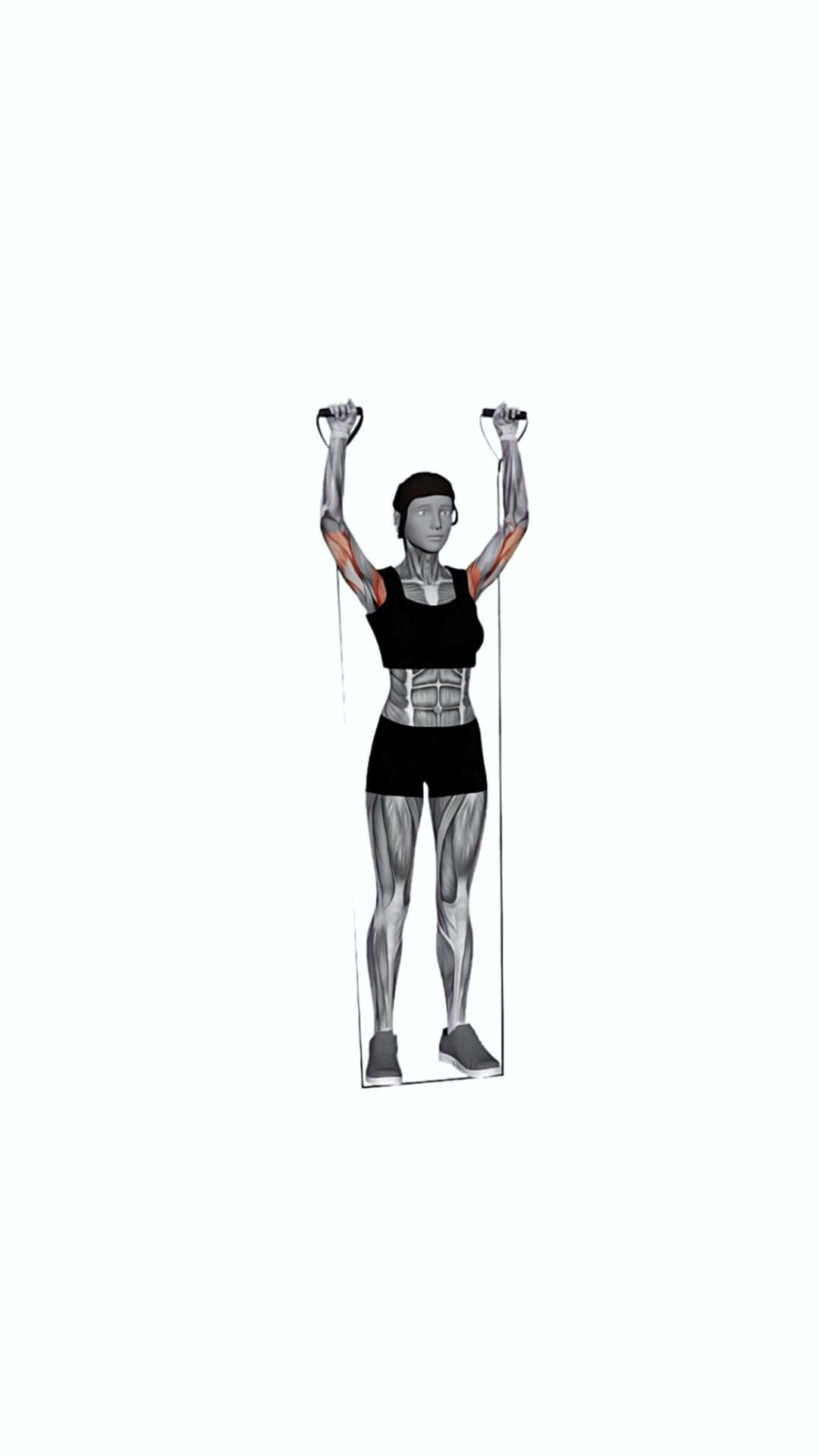
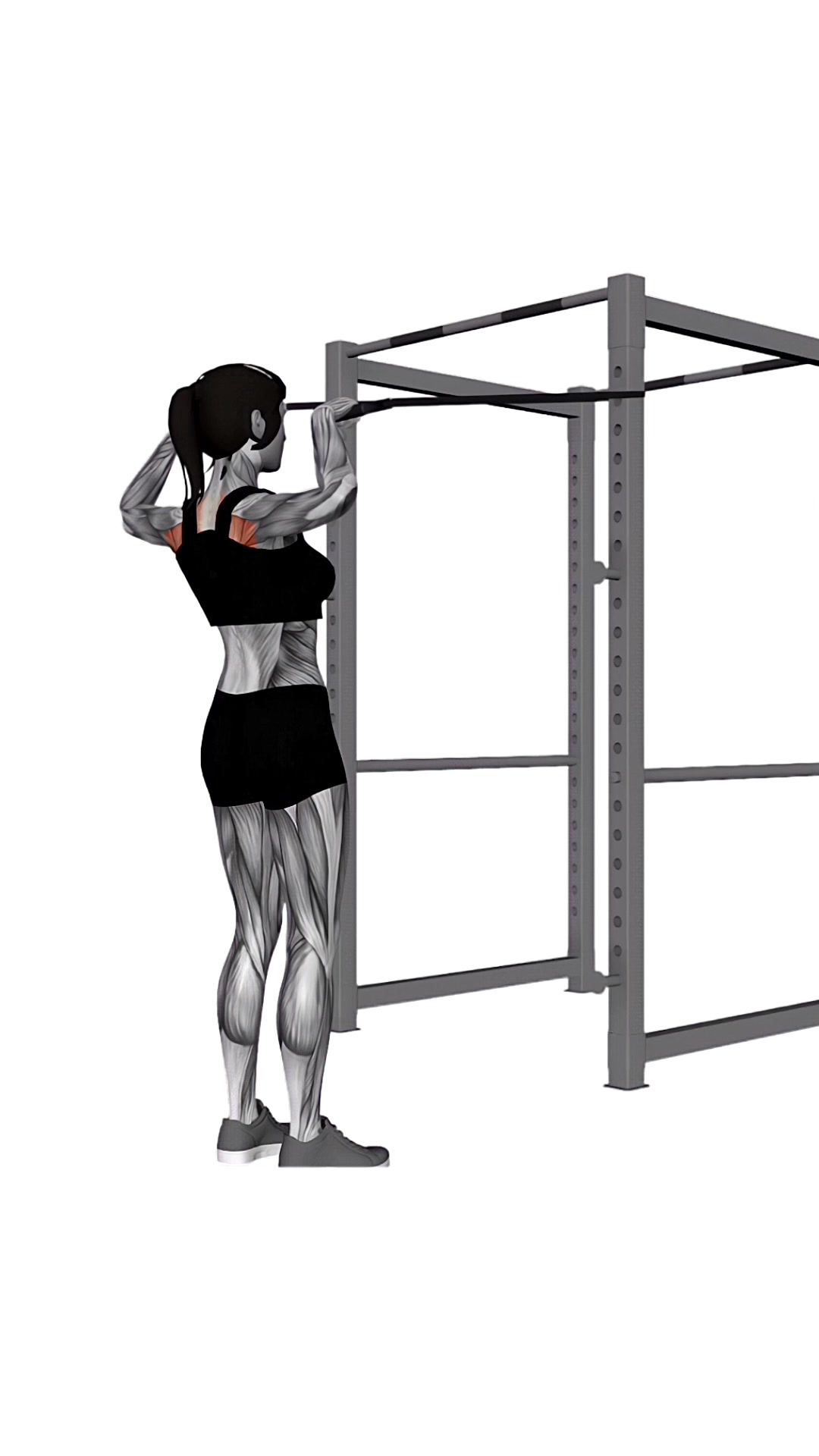
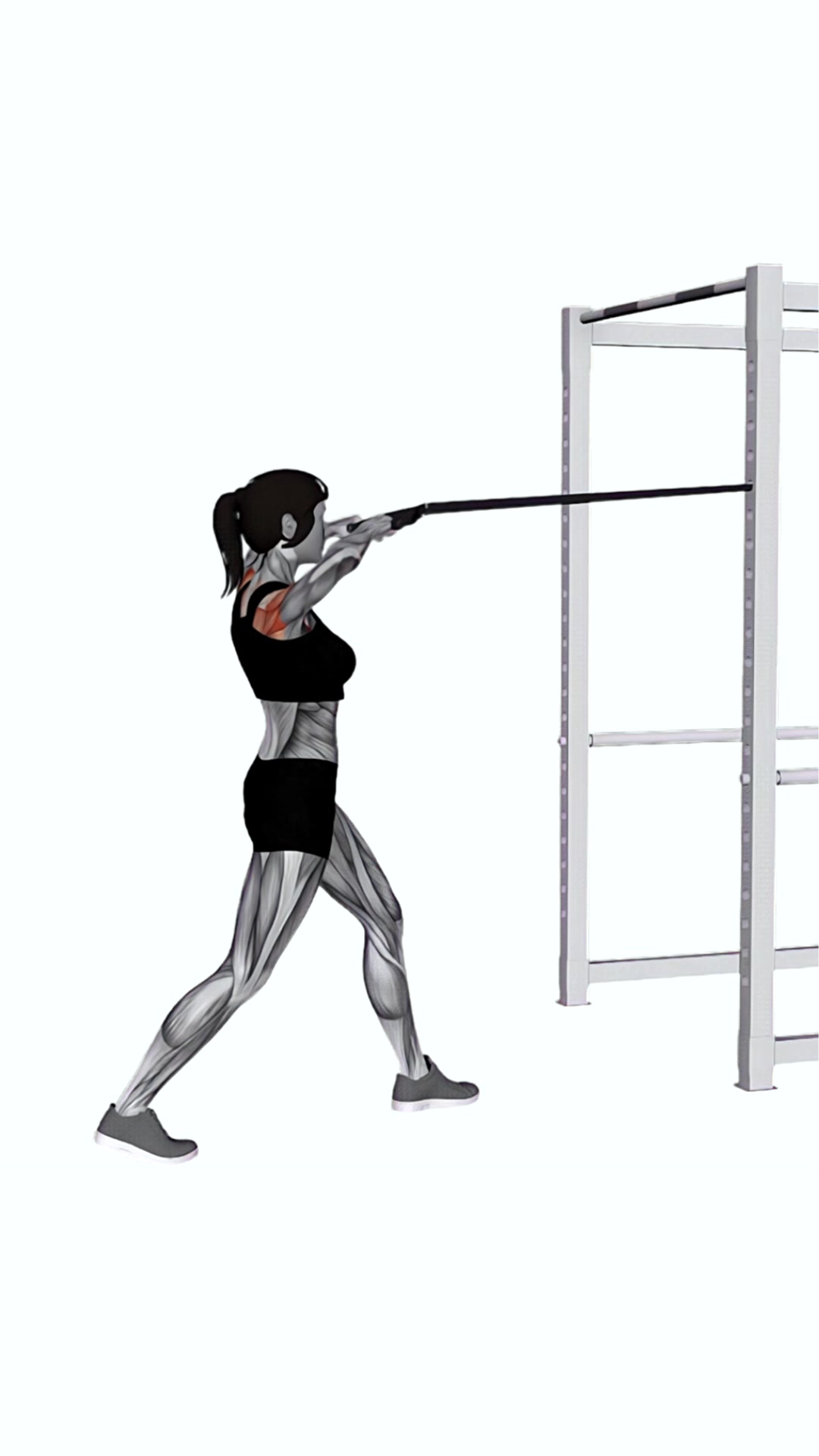
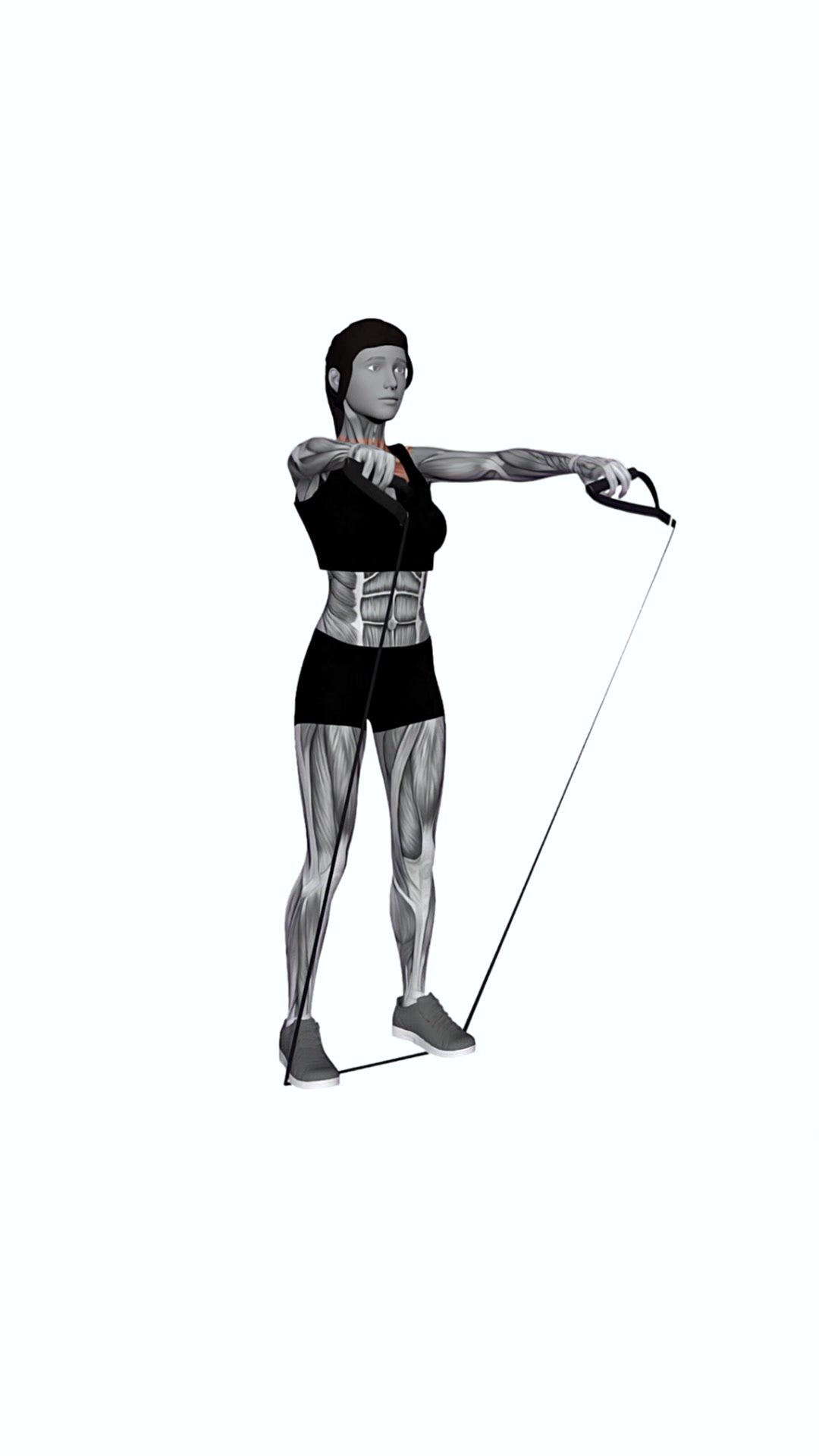
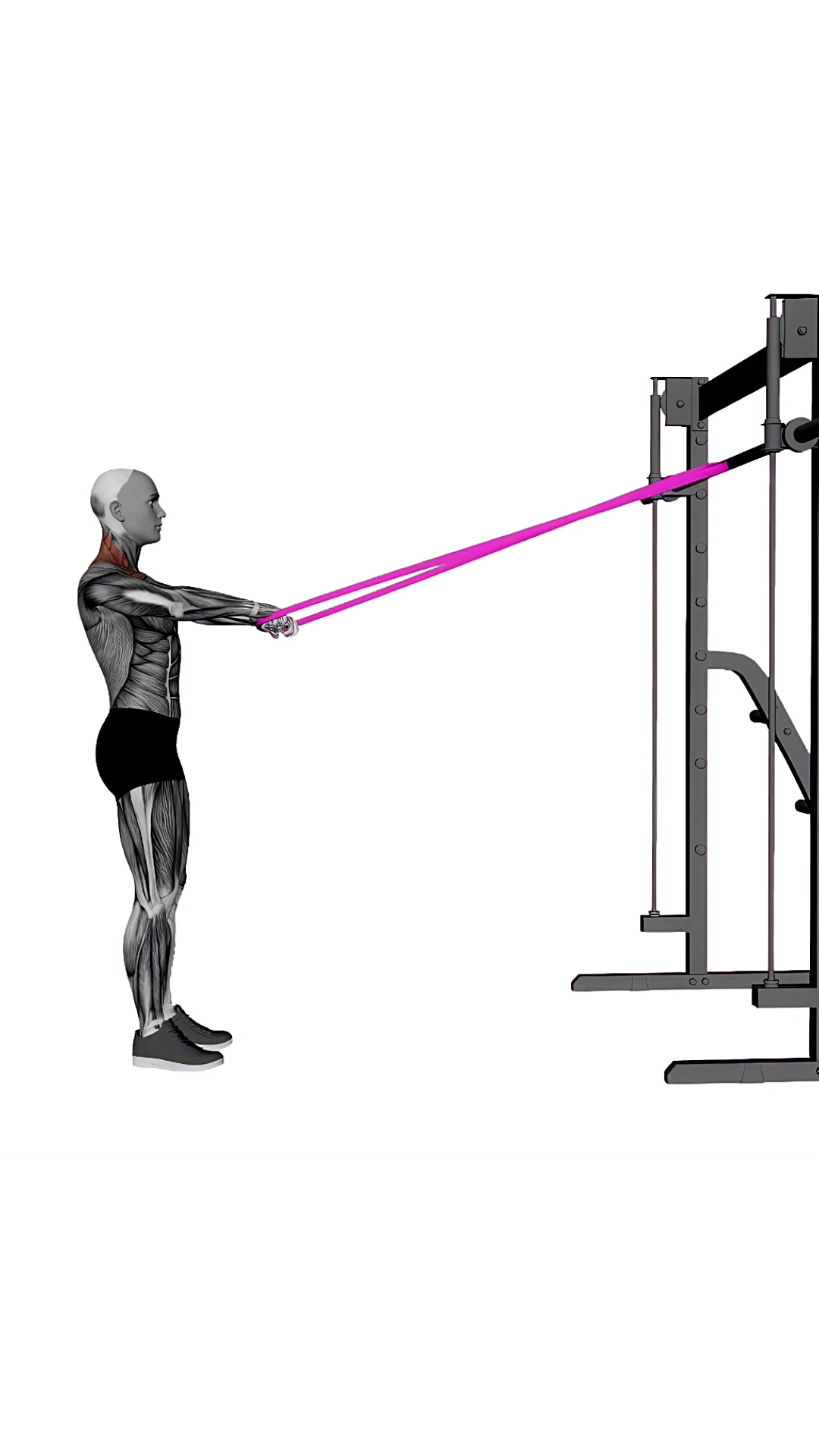
This shoulders exercise using a dumbbell places direct tension on the shoulders, with Traps picking up the supporting work. The movement pattern makes it well suited for both beginners building a base and experienced lifters adding volume.
The shoulders, or deltoids, cap the upper arm and are made up of three distinct heads: the anterior (front) deltoid, the lateral (side) deltoid, and the posterior (rear) deltoid. Each head pulls the arm in a different direction, so building round, capped, three-dimensional shoulders requires training all three rather than relying on pressing alone. Well-developed shoulders create the width that makes the waist look smaller and the upper body look athletic.
Overhead pressing — with a barbell, dumbbells, or in the Arnold press variation — is the primary mass builder, heavily recruiting the front delts along with the triceps and upper chest. However, the front delts also receive a great deal of work from all chest pressing, so most lifters already have well-developed fronts and underdeveloped sides and rears. That imbalance is why lateral raises, which isolate the side delt and directly widen the shoulders, are one of the most valuable exercises in any physique routine. Rear-delt work such as face pulls and reverse flyes corrects posture and completes the rounded look.
The deltoids are made up of fibres that respond well to higher volume and frequency. Pressing can be trained in moderate ranges around 6 to 10 reps, while lateral and rear-delt isolation thrives in higher ranges of 12 to 20 with controlled tempo, since these movements are about tension and consistency rather than heavy load. Training shoulders two or three times per week, with an emphasis on the side and rear heads, produces the most balanced development.
The shoulder is the most mobile and least stable joint in the body, which makes technique and warm-up especially important. Avoid pressing behind the neck, control the weight on raises rather than swinging it up with momentum, and do not chase heavy dumbbells on lateral raises at the expense of form — leading with the elbows and stopping at shoulder height keeps tension on the delt and the strain off the joint. Including rear-delt and rotator-cuff work helps keep the shoulder healthy for years of training.
Strong, balanced shoulders improve your pressing strength, protect against common gym injuries, and dramatically improve the look of the upper body. Prioritise all three heads using the popular shoulder exercises below.