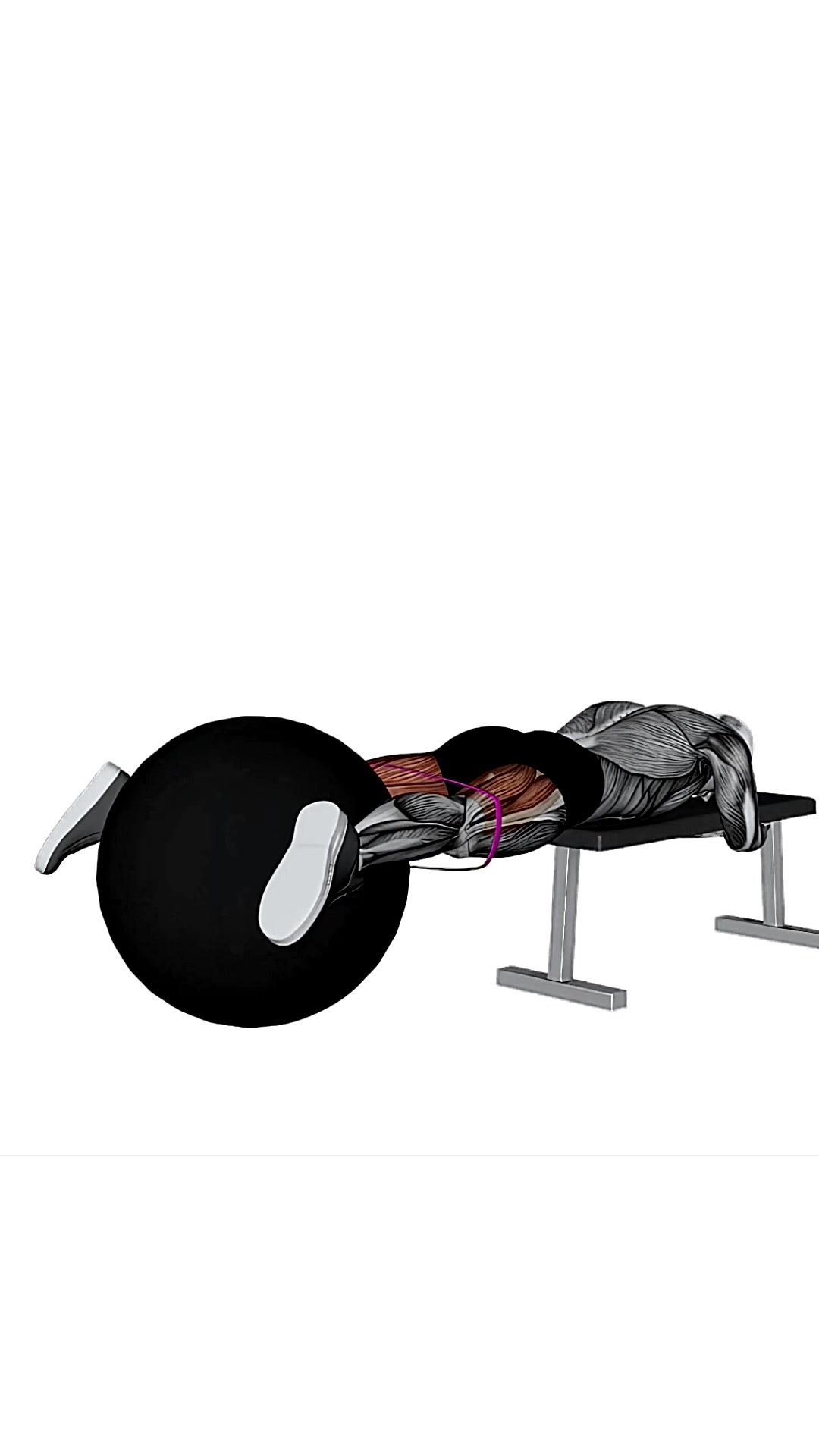
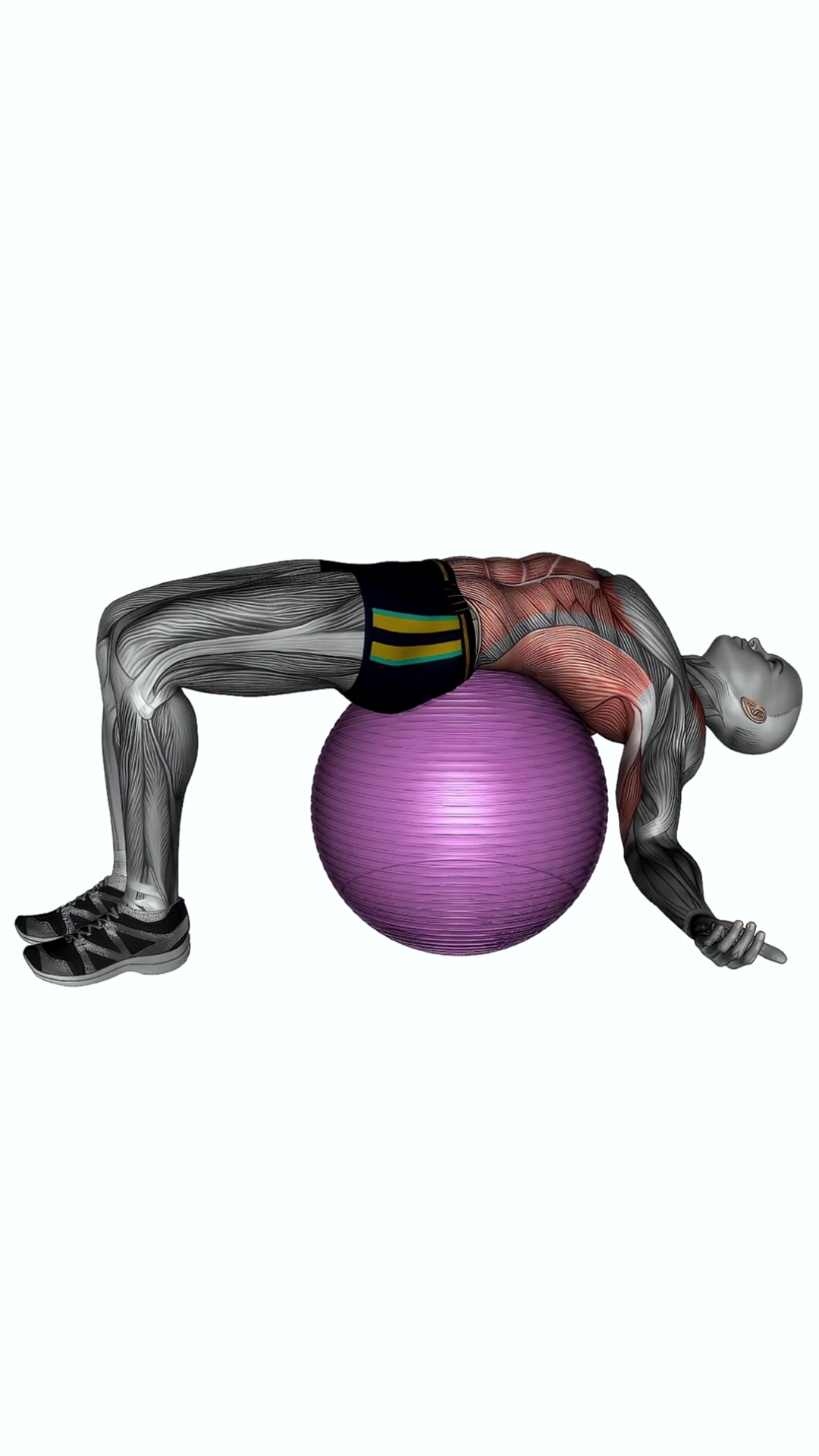
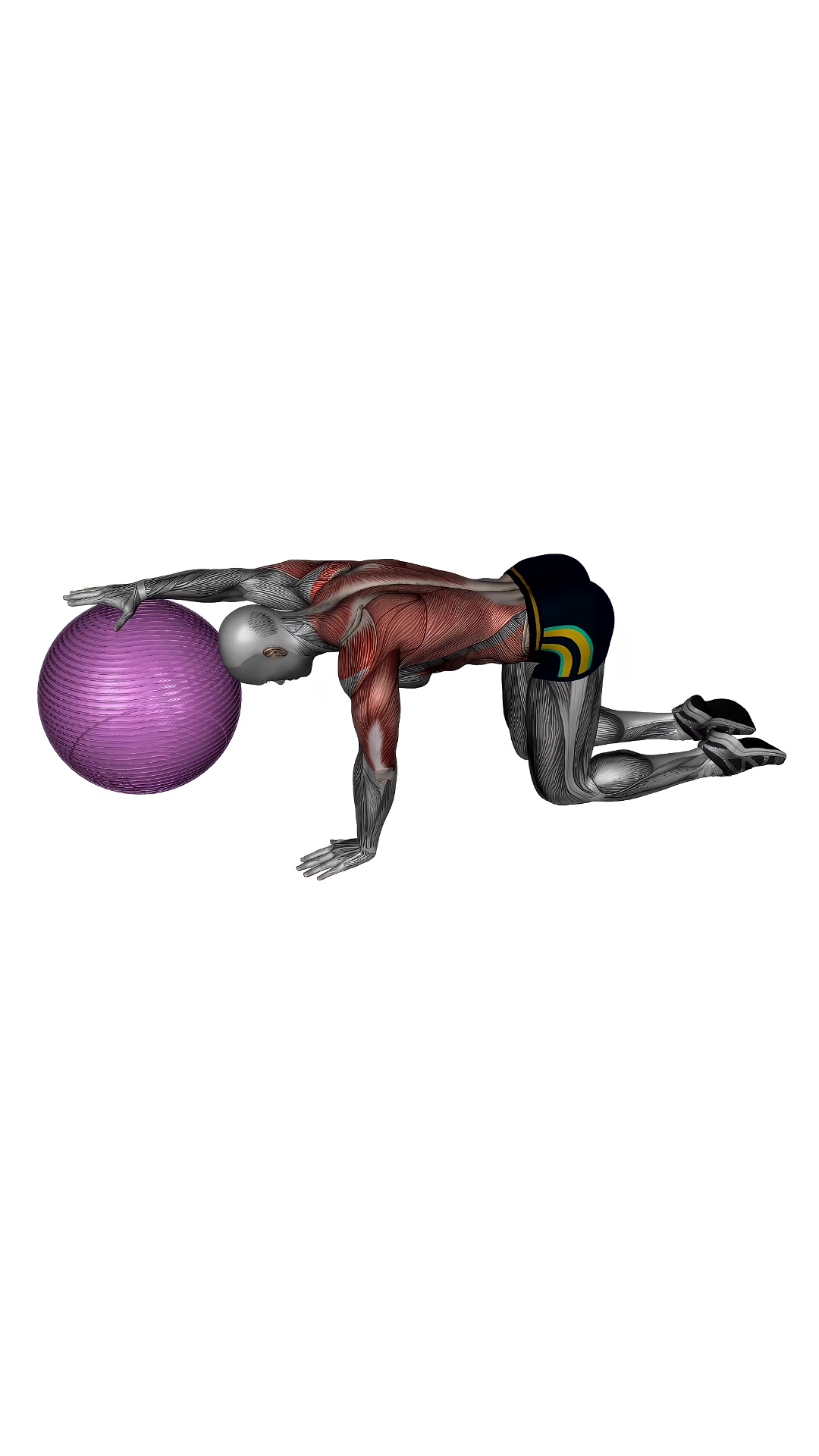
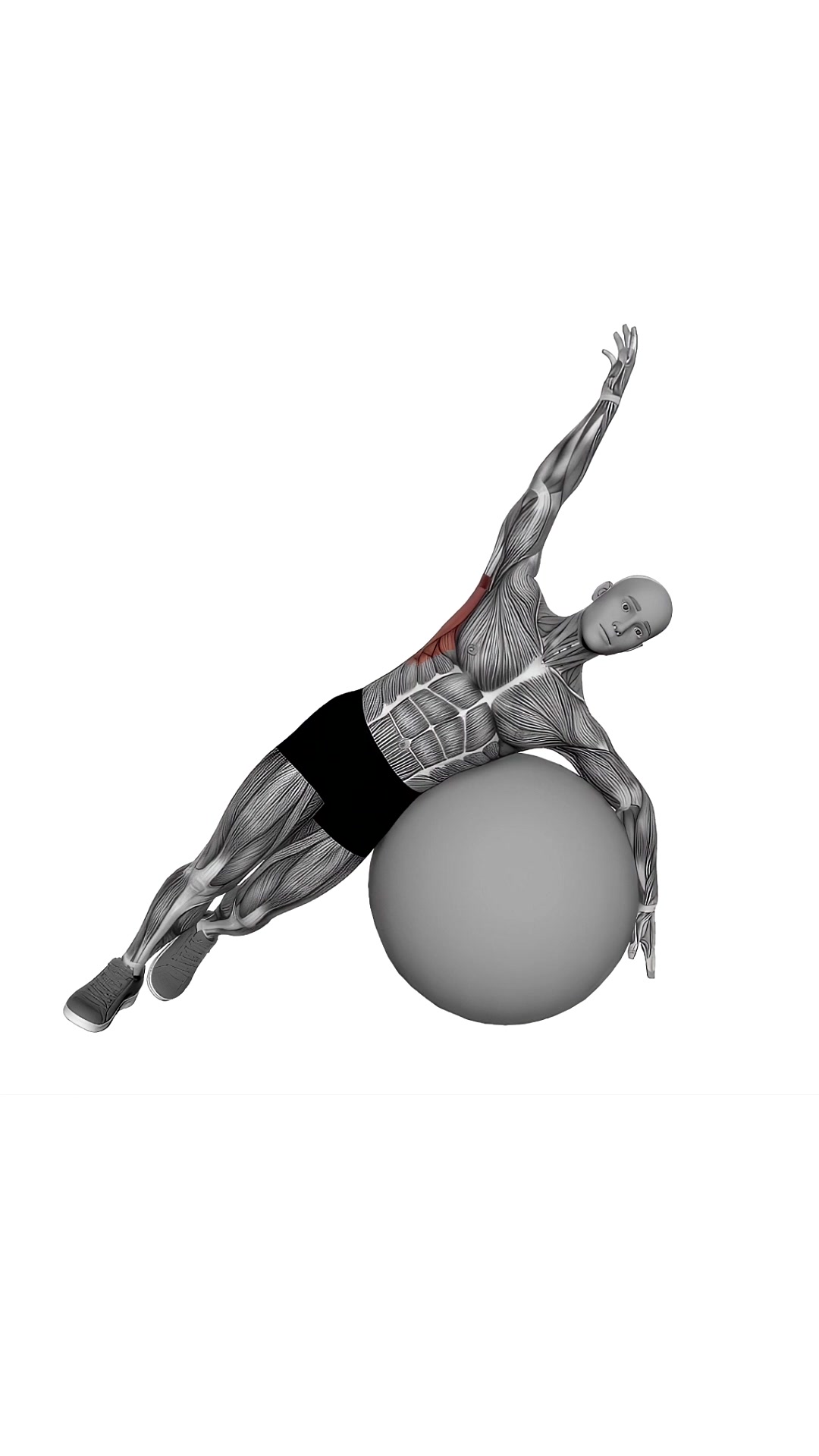
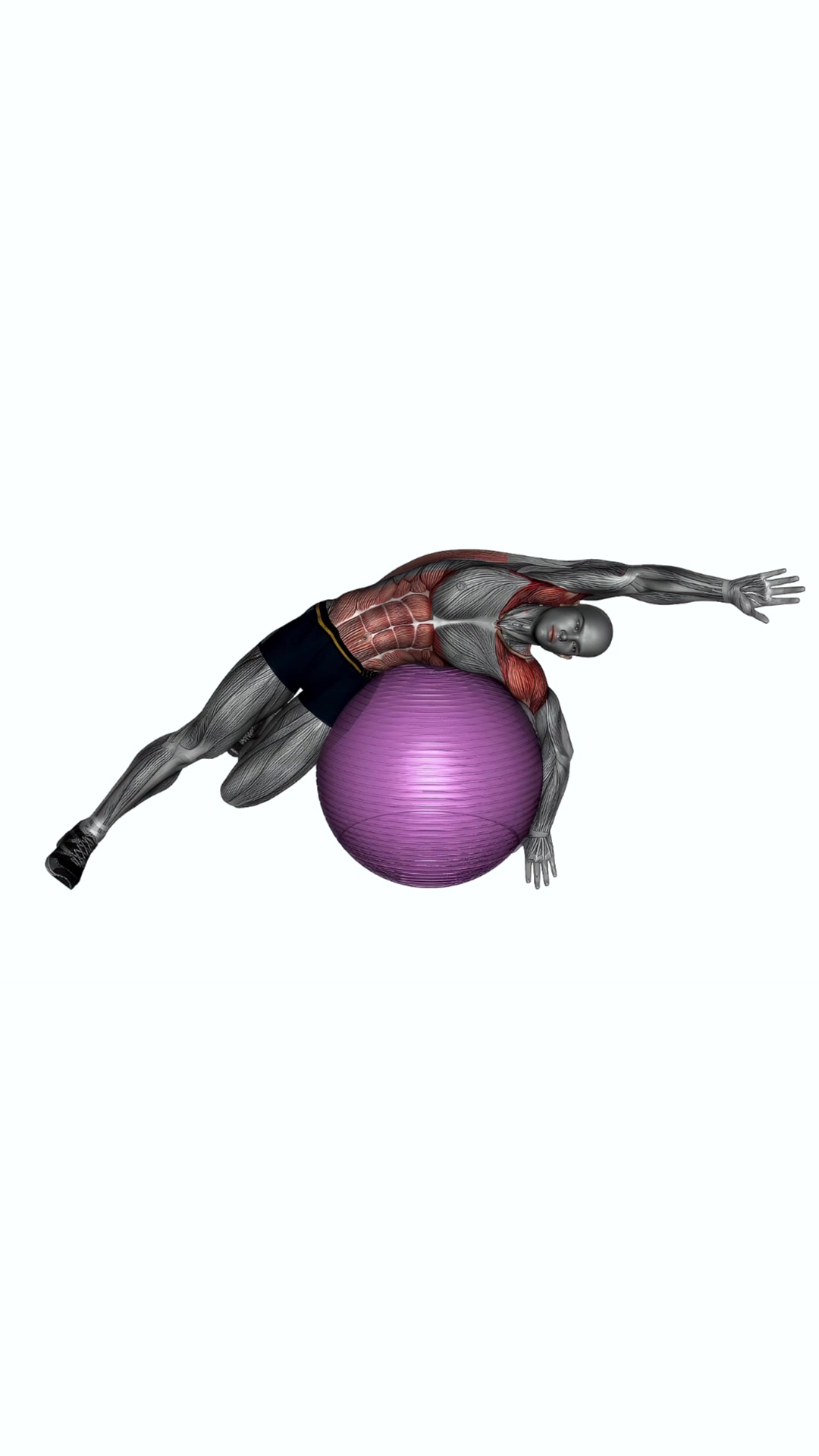
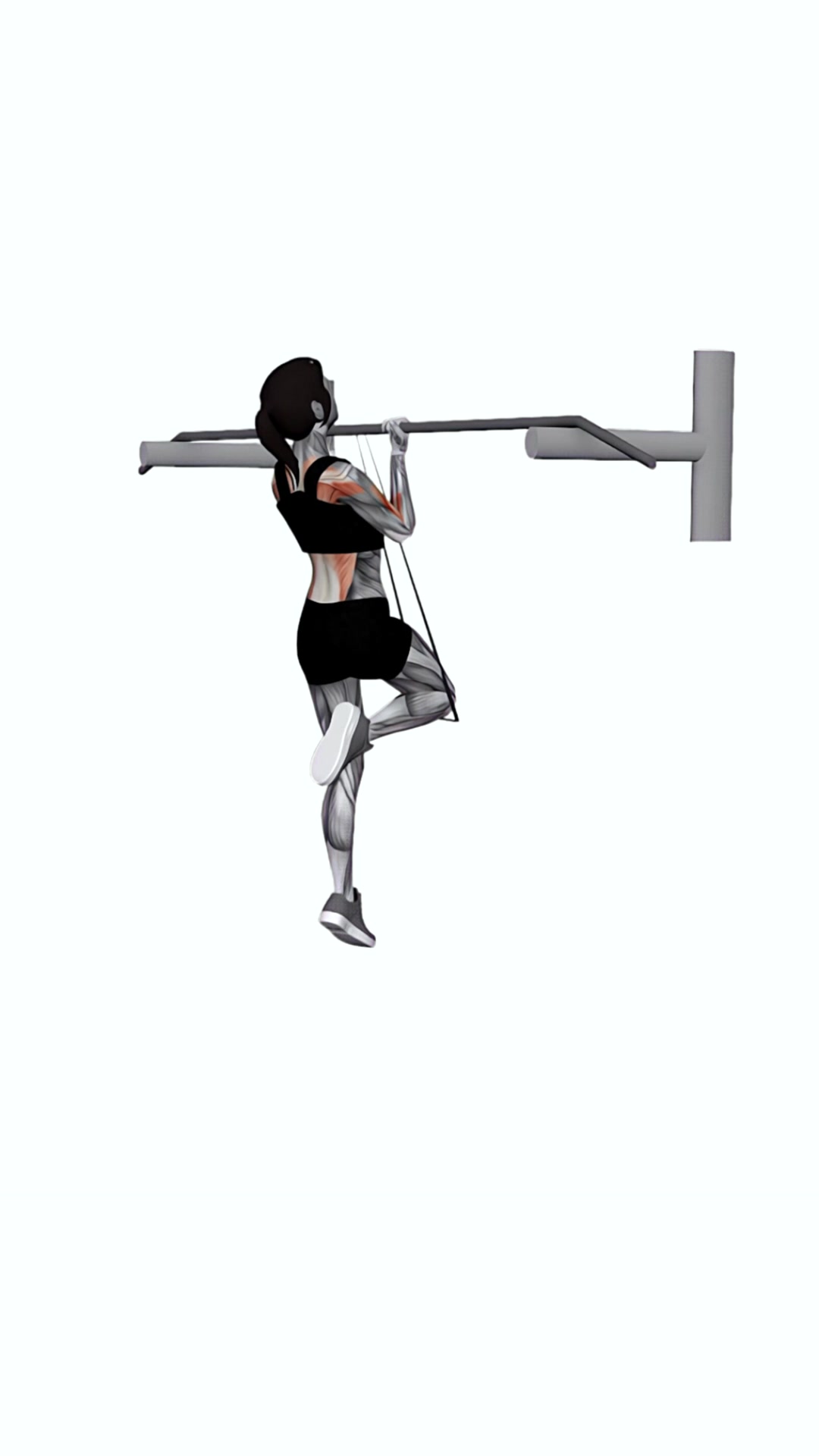
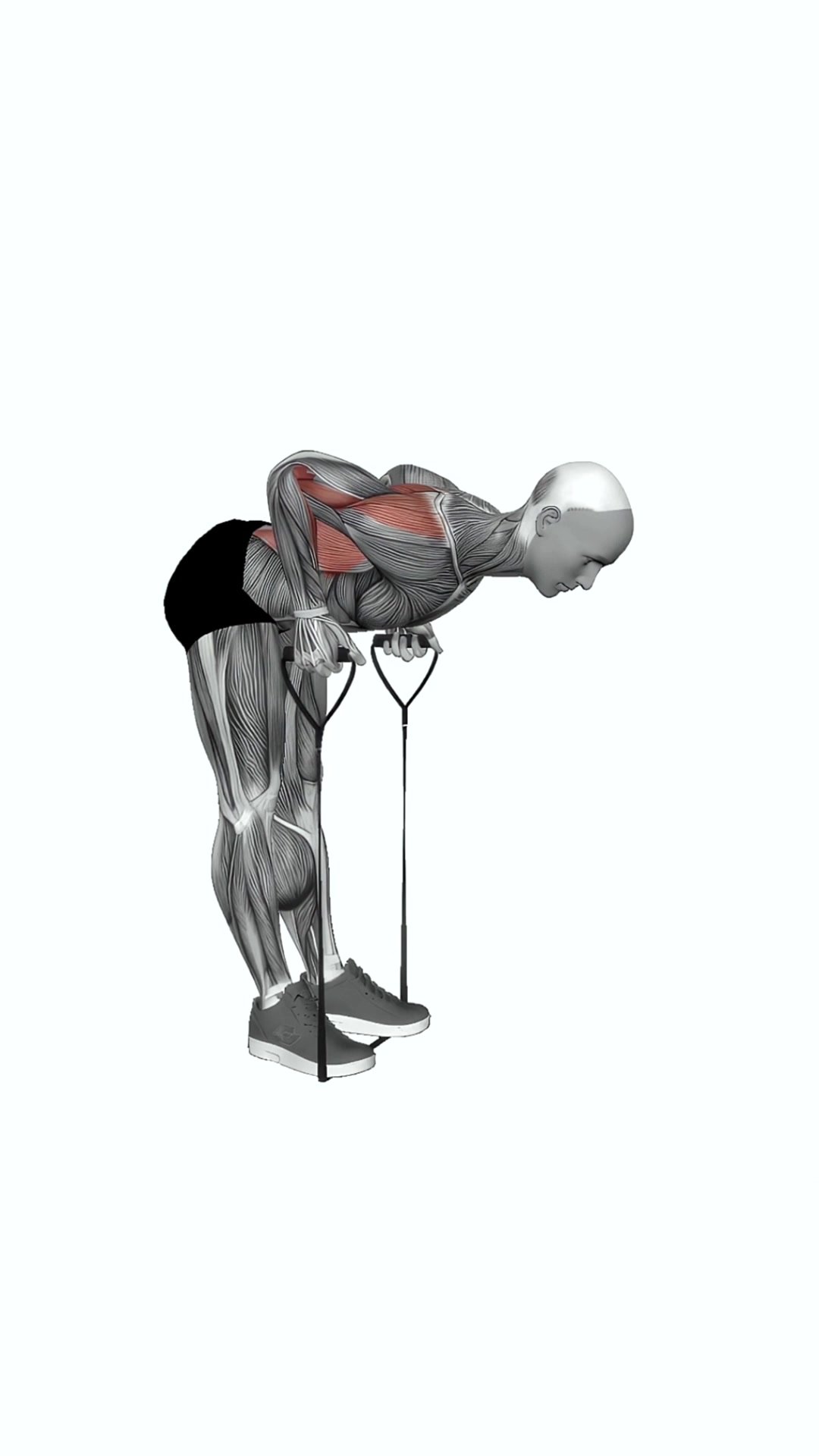
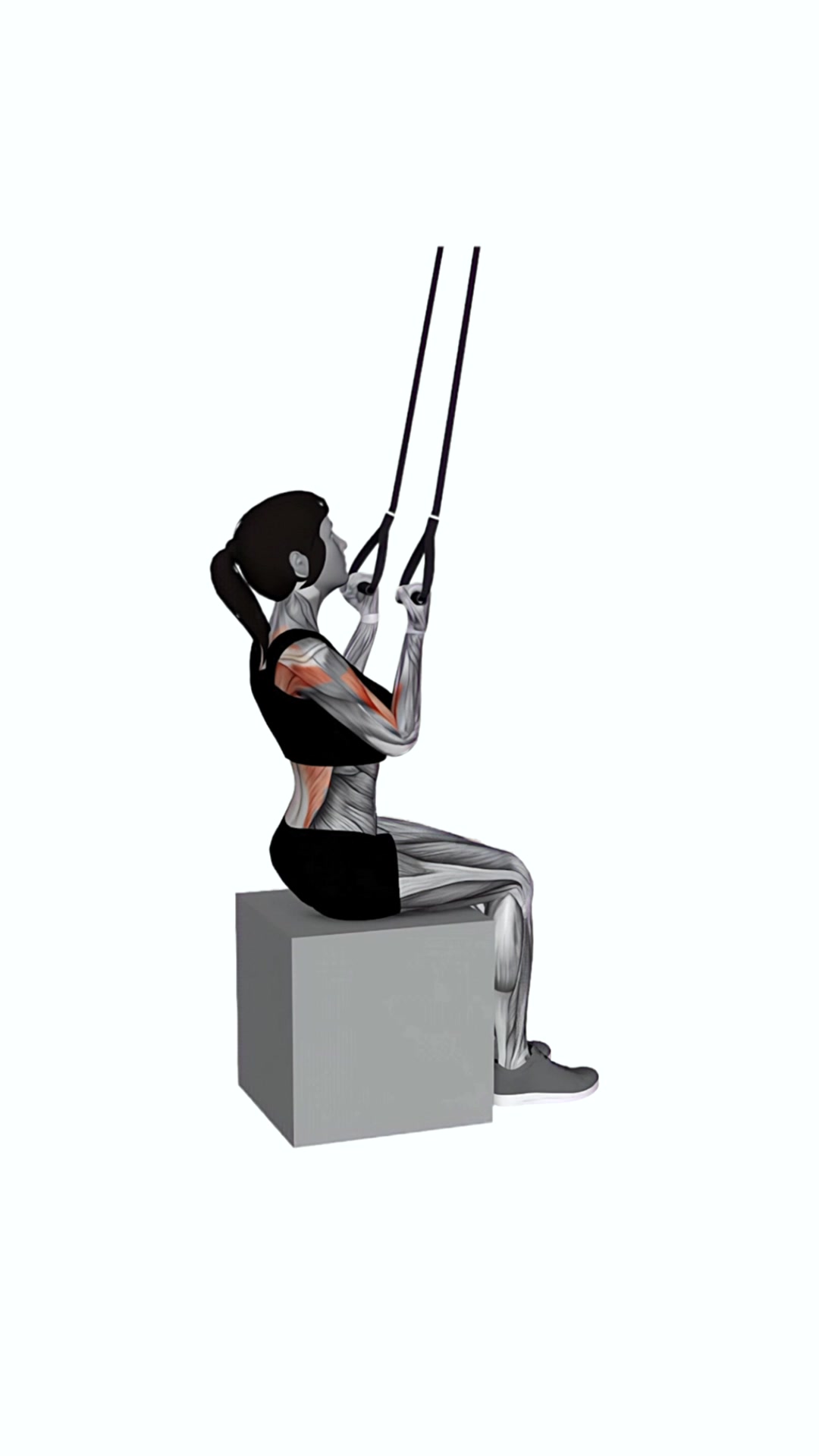
A back movement using a dumbbell that loads the back through its full range, with Biceps picking up the supporting work. One of the more effective exercises for building size and strength in this area.
The back is the largest muscle group of the upper body and arguably the most important for posture, strength, and a powerful physique. It is not a single muscle but a layered system: the broad latissimus dorsi that creates width and the V-taper, the trapezius running from the neck to the mid-back, the rhomboids between the shoulder blades, the teres muscles, and the erector spinae that run along the spine and keep you upright.
Because these muscles pull in different directions, no single exercise trains the back completely. The most effective programmes combine two broad categories of movement. Vertical pulls — pull-ups, chin-ups, and lat pulldowns — emphasise the lats and build the width that makes a back look impressive from the front. Horizontal pulls — barbell rows, dumbbell rows, cable rows, and T-bar rows — build thickness through the mid-back, hitting the traps, rhomboids, and lats together. Hip-hinge movements such as the deadlift and rack pull load the entire posterior chain and develop the spinal erectors that protect the lower back.
A well-rounded back session usually includes at least one vertical pull, one horizontal pull, and some direct work for the lower back or traps. Heavy rows and pulldowns respond well to moderate rep ranges around 6 to 10, while deadlifts are typically trained in lower ranges for strength. Because the back is large and recovers well, many lifters train it twice per week with good results.
The biggest technical challenge with back training is actually feeling the back work rather than letting the biceps and forearms take over. Initiate each pull by depressing and retracting the shoulder blades — think about driving your elbows down and back rather than curling the weight with your arms. Keep the chest up, avoid jerking with momentum, and pause briefly in the fully contracted position to maximise tension. On deadlifts and rows, maintain a neutral spine; rounding under heavy load is the most common cause of injury.
Strong back muscles do more than look good. They counterbalance all the pressing and sitting that dominate modern life, pulling the shoulders back into healthy alignment and reducing the slumped posture that leads to neck and shoulder pain. Building your back also directly improves performance on nearly every other lift. Explore the popular back exercises below to assemble a complete pulling routine.