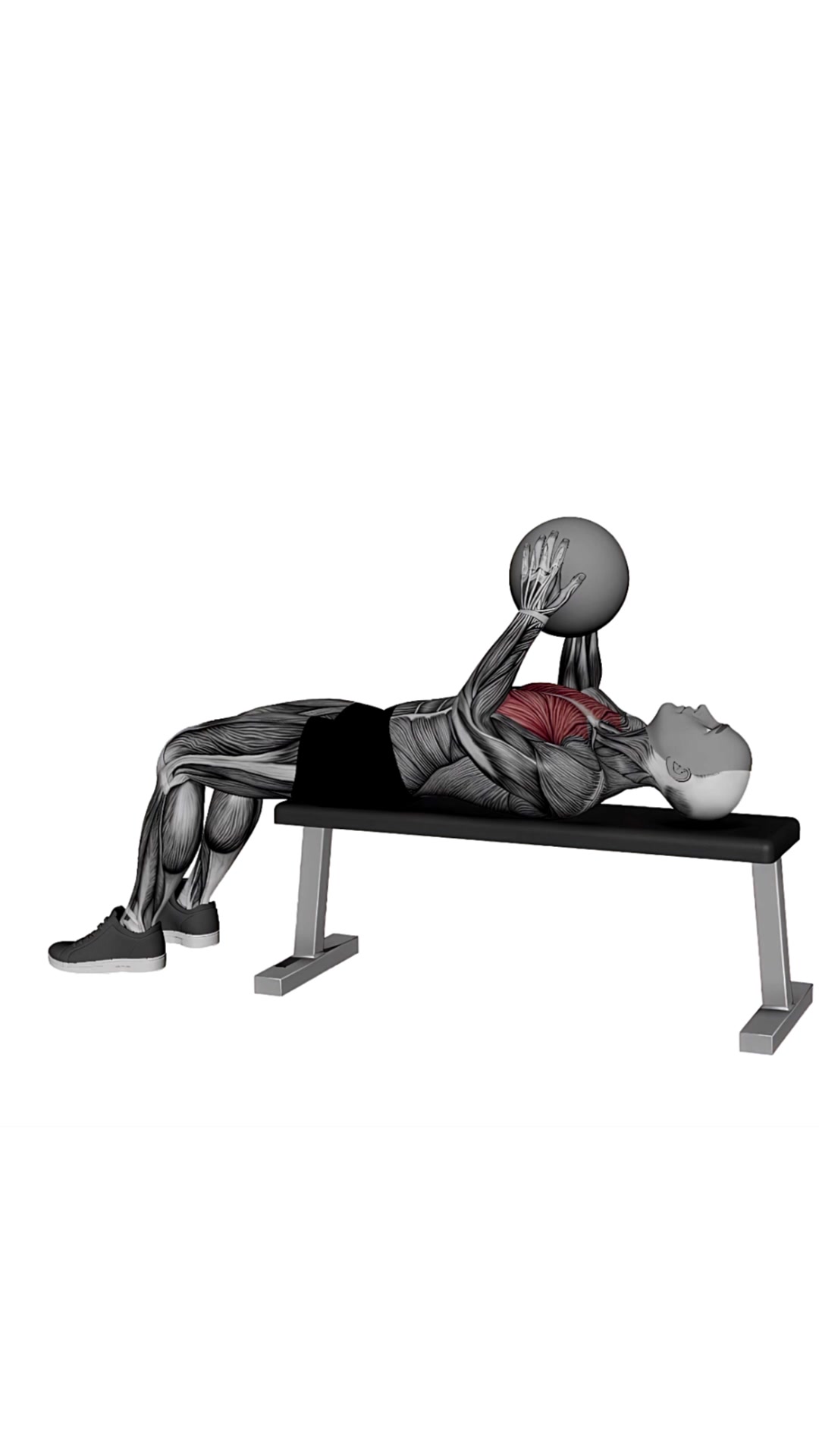
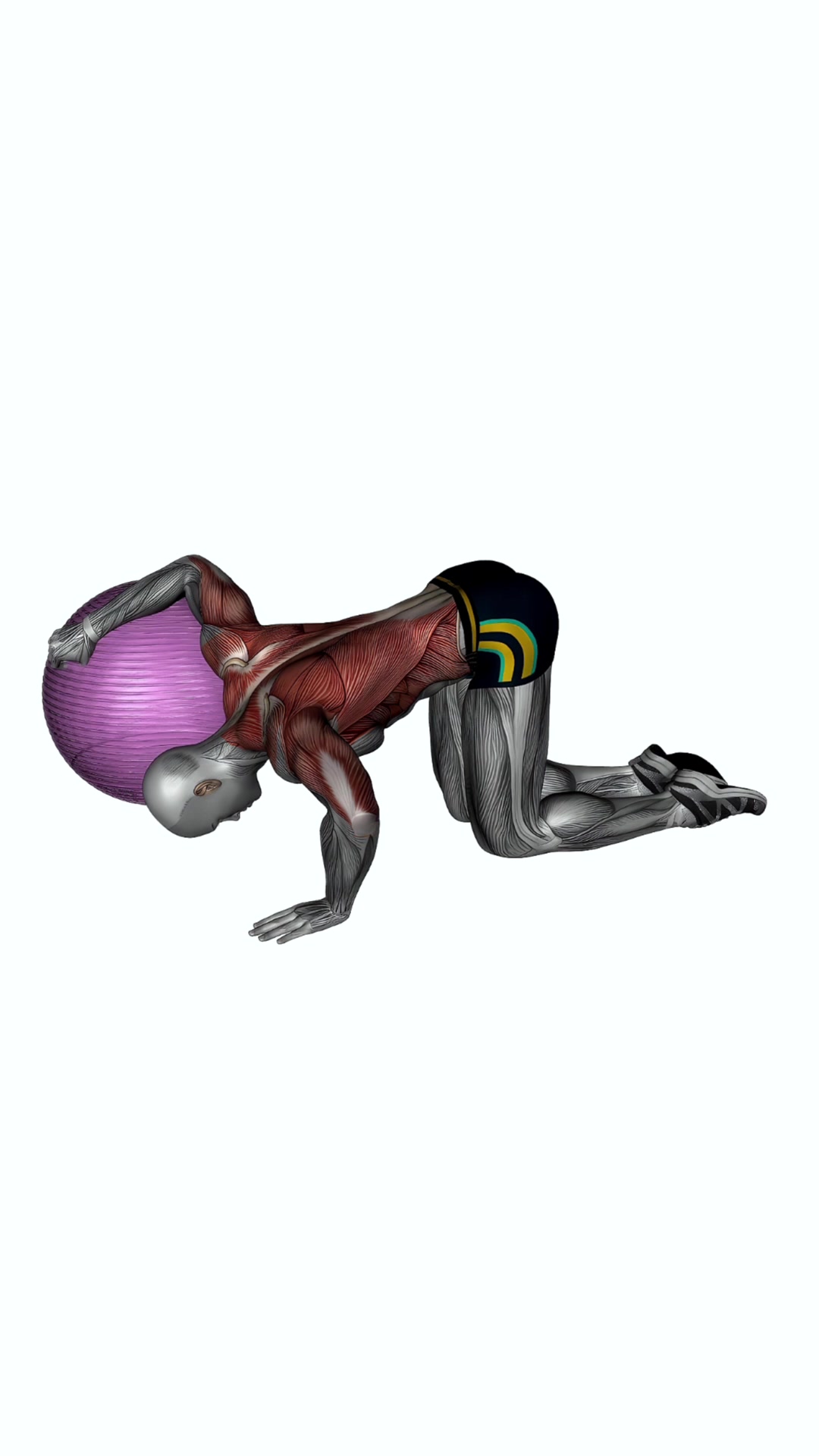
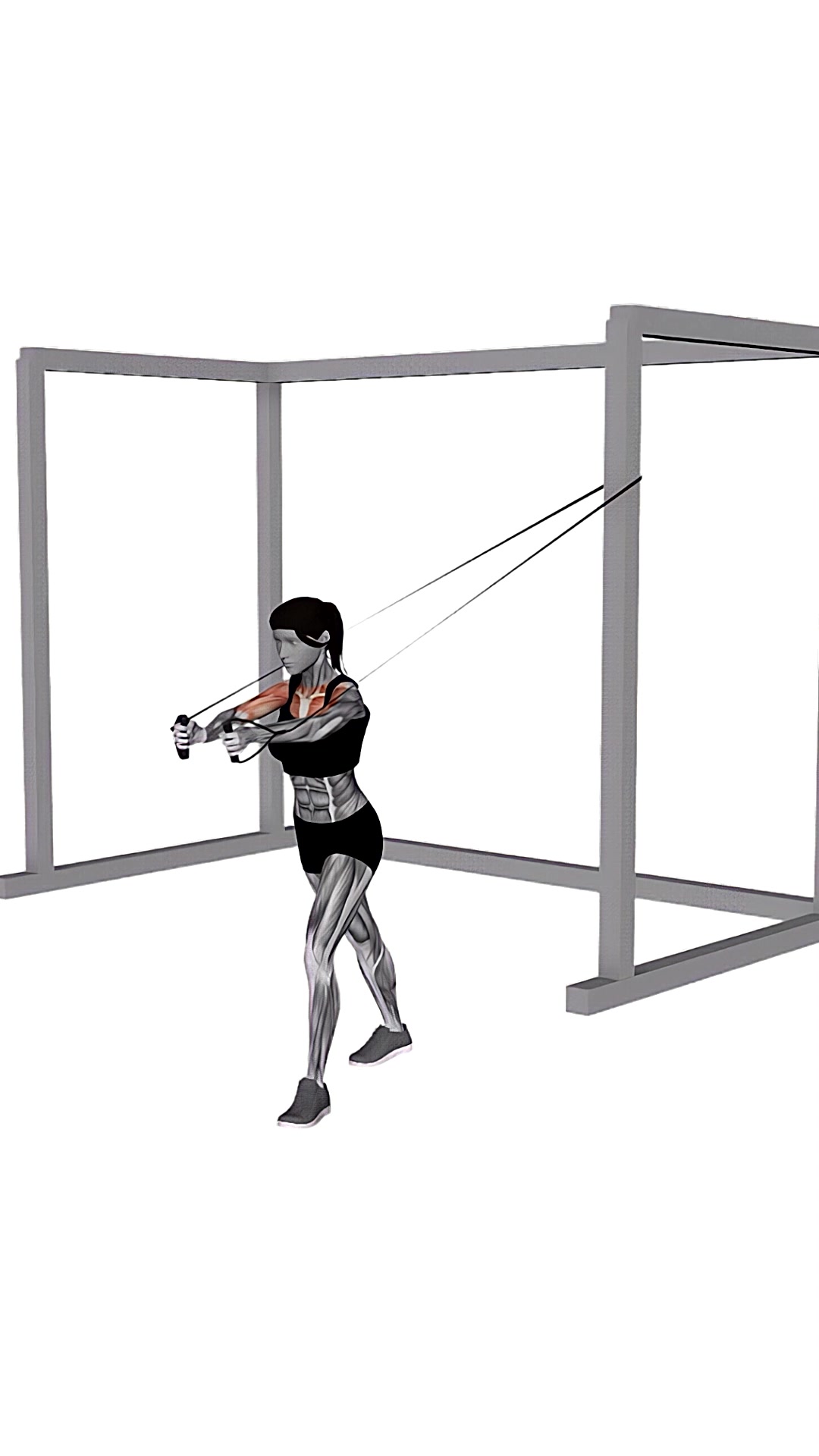
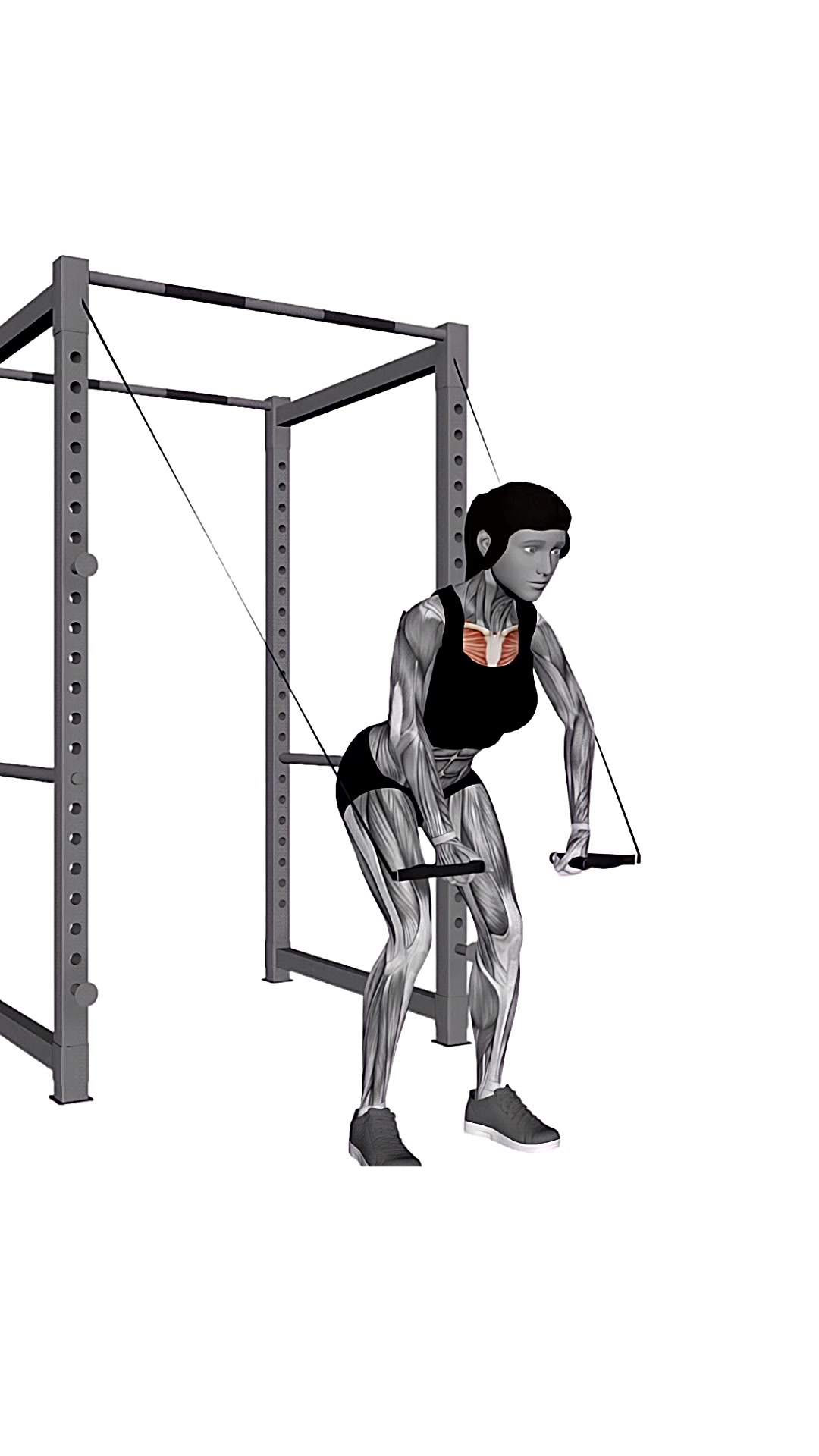
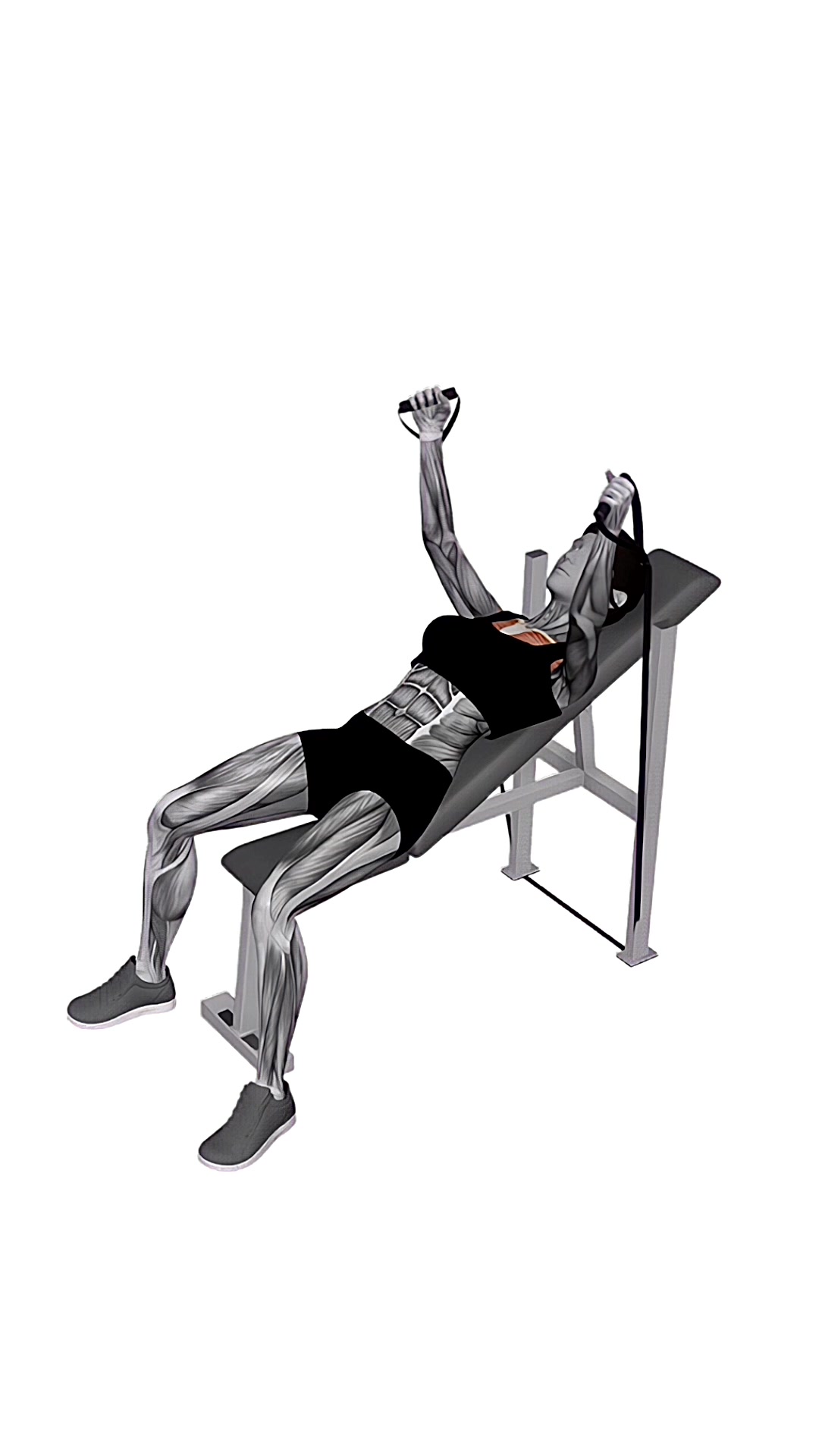
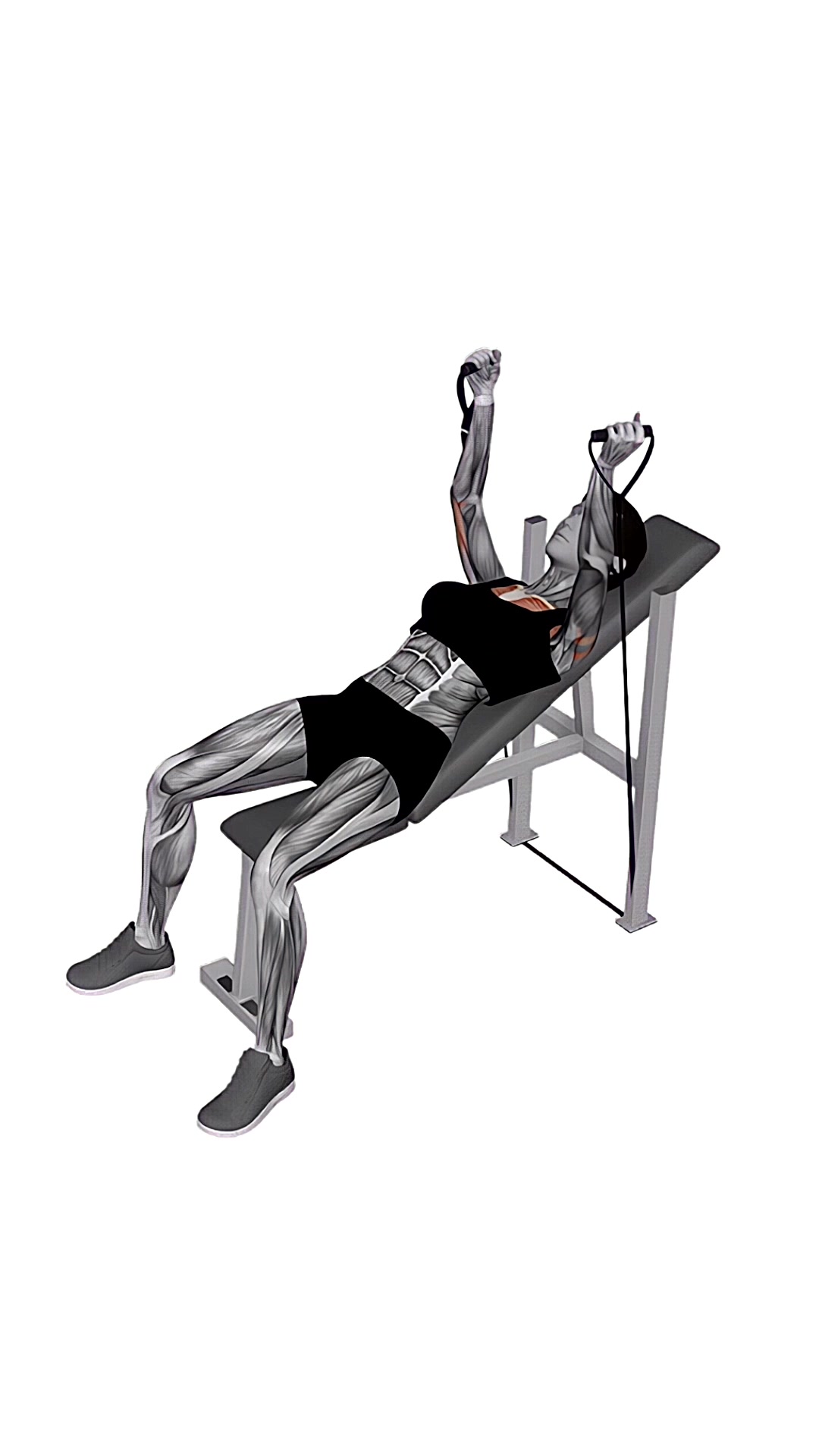
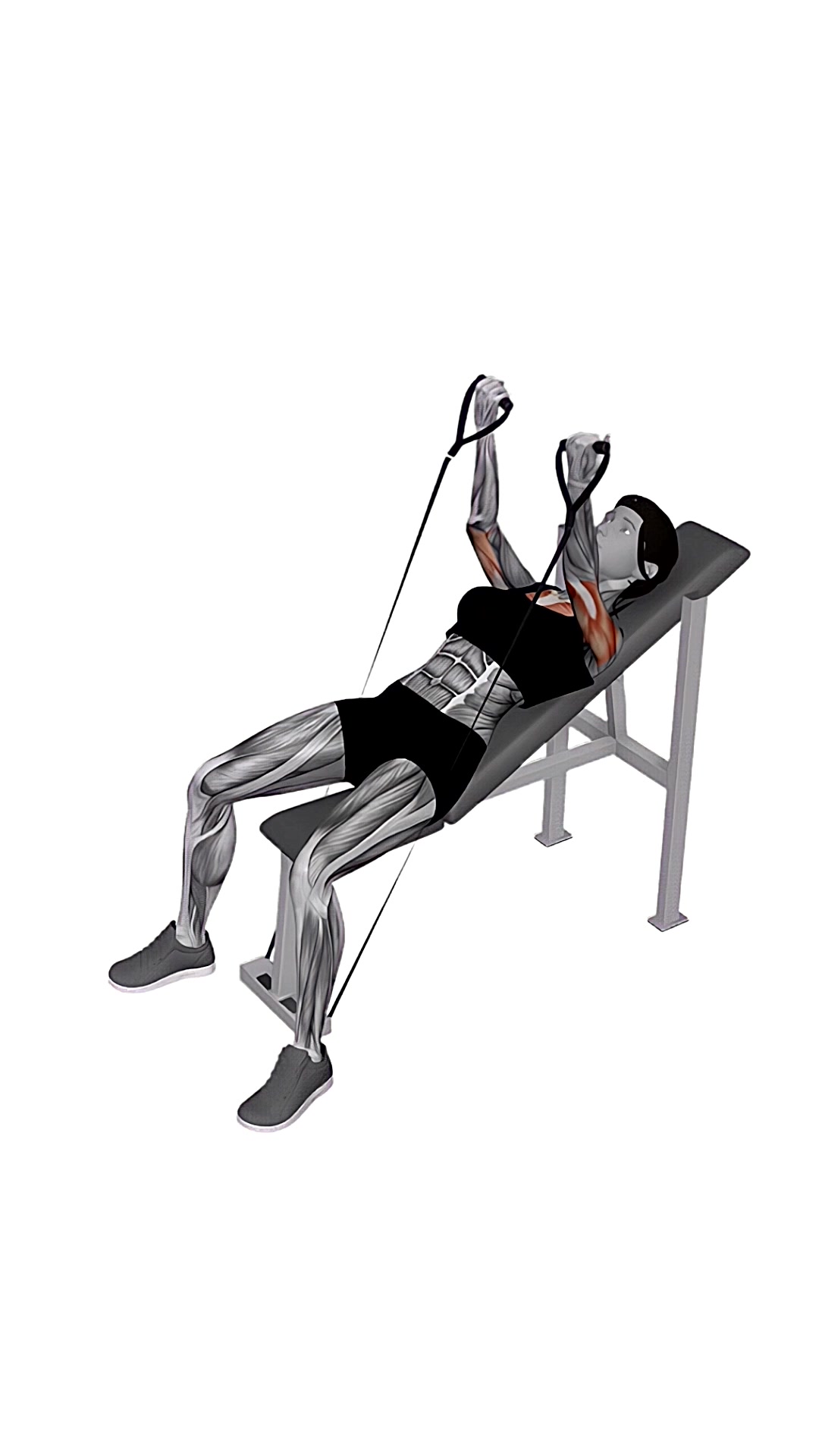
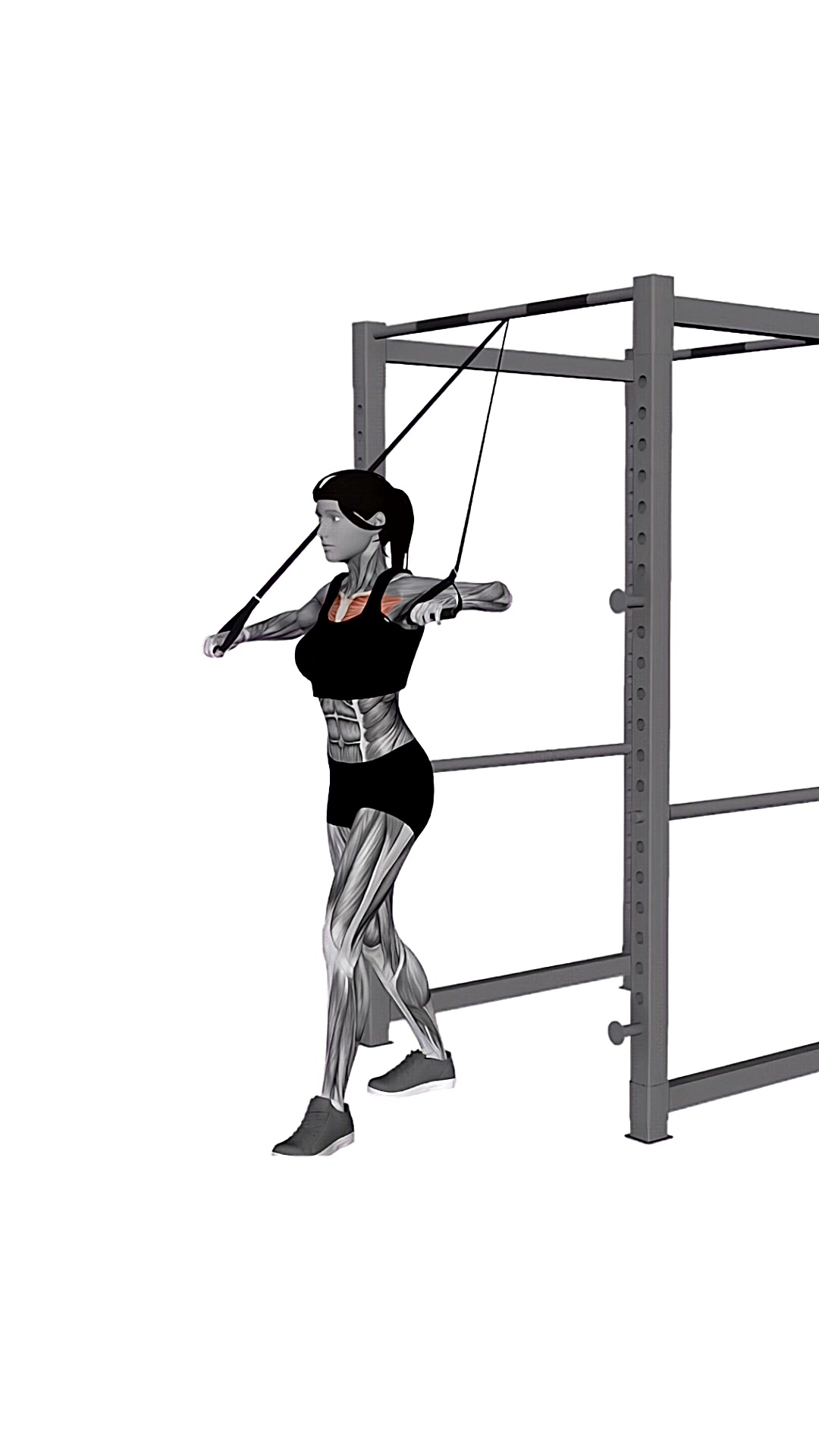
The Deep Push-up is a chest exercise using bodyweight that directly targets the chest, with Triceps picking up the supporting work. It builds both strength and muscle density through a controlled range of motion.
The chest is built around the pectoralis major, a large fan-shaped muscle that covers the front of the rib cage, and the smaller pectoralis minor beneath it. The pec major has two heads: a clavicular (upper) head that originates on the collarbone and a sternal (lower) head that originates along the breastbone. Both heads converge on the upper arm, which is why the chest is responsible for pushing your arms forward and across your body, as well as stabilising the shoulder during almost every upper-body lift.
Because the fibres run at different angles, training the chest from multiple angles is what produces a full, balanced look. Flat pressing — the barbell or dumbbell bench press — develops the bulk of the sternal head and is the foundation of raw pressing strength. Incline pressing shifts emphasis onto the often-underdeveloped upper chest, giving the muscle a fuller appearance near the collarbone. Decline pressing and dips bias the lower fibres. Flyes and cable crossovers add a stretch under load and a strong peak contraction that pressing alone cannot fully deliver.
For most lifters, the best results come from anchoring each session with one heavy compound press for strength and size, then adding one or two isolation movements to shape the muscle and reinforce the mind-muscle connection. Rep ranges of roughly 5 to 8 suit the heavy presses, while 10 to 15 works well for flyes and cable work. Two chest sessions per week, spaced a few days apart, tend to drive better growth than a single high-volume day.
Technique matters more on chest than almost anywhere else, because sloppy pressing turns a chest exercise into a shoulder-and-triceps exercise. Keep your shoulder blades pulled back and down against the bench to create a stable platform, maintain a slight arch, and lower the bar or dumbbells under control to the lower chest rather than the neck. Drive through the full range without bouncing, and avoid flaring the elbows to a full 90 degrees, which stresses the shoulder joint. Beginners should prioritise the push-up and machine presses to groove the pattern safely before loading heavy free weights.
Whether your goal is a bigger bench, a more aesthetic upper body, or simply functional pushing strength for daily life and sport, consistent progressive overload across these movements is the key. Below are some of the most popular and effective chest exercises in our library to build your routine around.