Pick a muscle group or browse all exercises — with instructions, tips, and common mistakes for every movement.
Select Muscle
Click a muscle to browse
Browse by Muscle Group
Browse by Equipment
Browse by Training Style
Quick Start — Workout Splits
Pre-made Dumbbell Workouts
Muscle Group
Equipment
Movement Type
✕ Clear all filters
⌕
0 Exercises
📋 Save as Workout
Clear
◈
Select an exercise to preview
Celebratory Hip Thrust
Similar Exercises
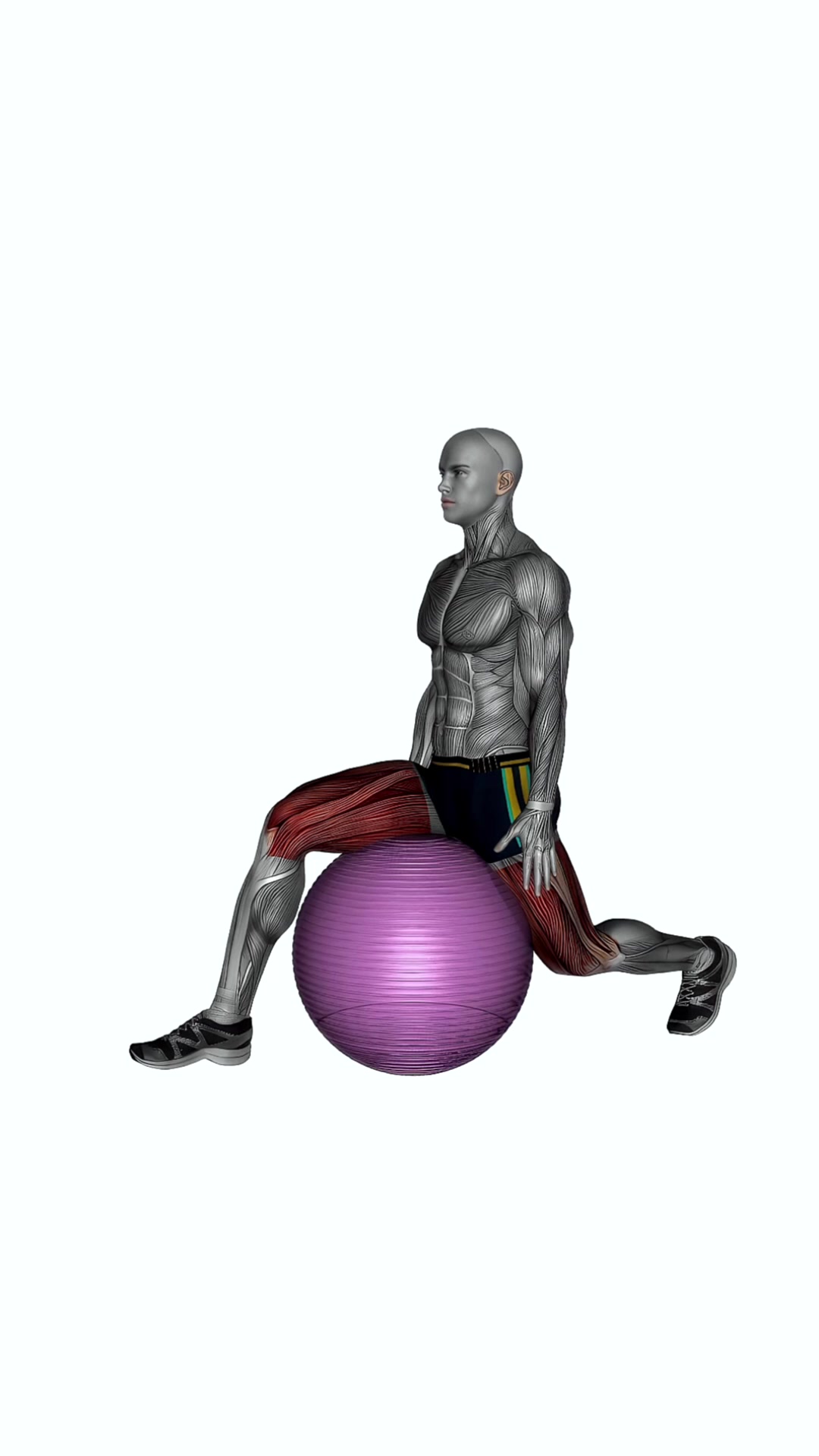
Exercise Ball Hip Flexor Stretch
Stability Ball · Mobility/Flexibility
B
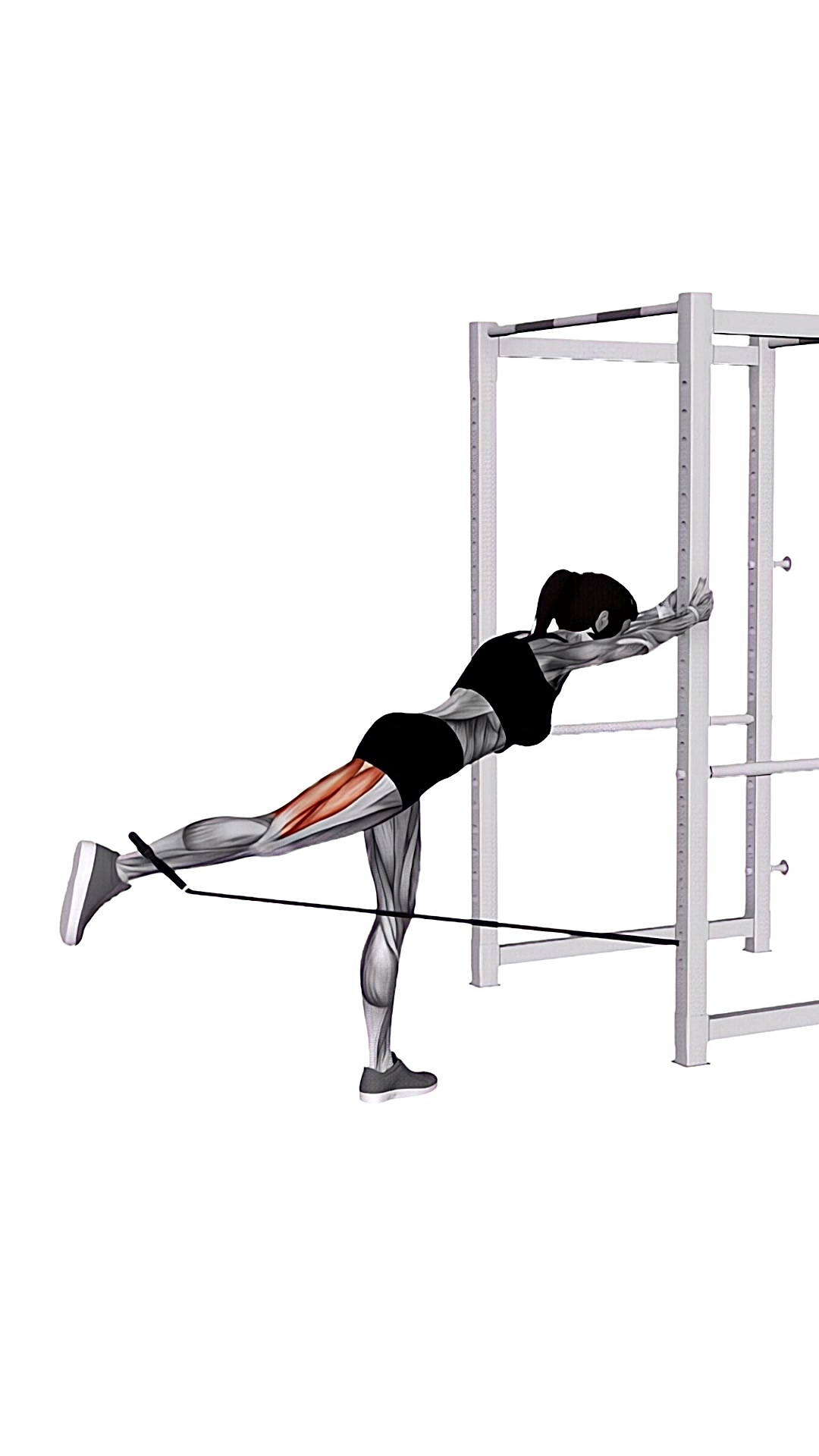
Band Bent-over Hip Extension
Resistance Band · Squat
B
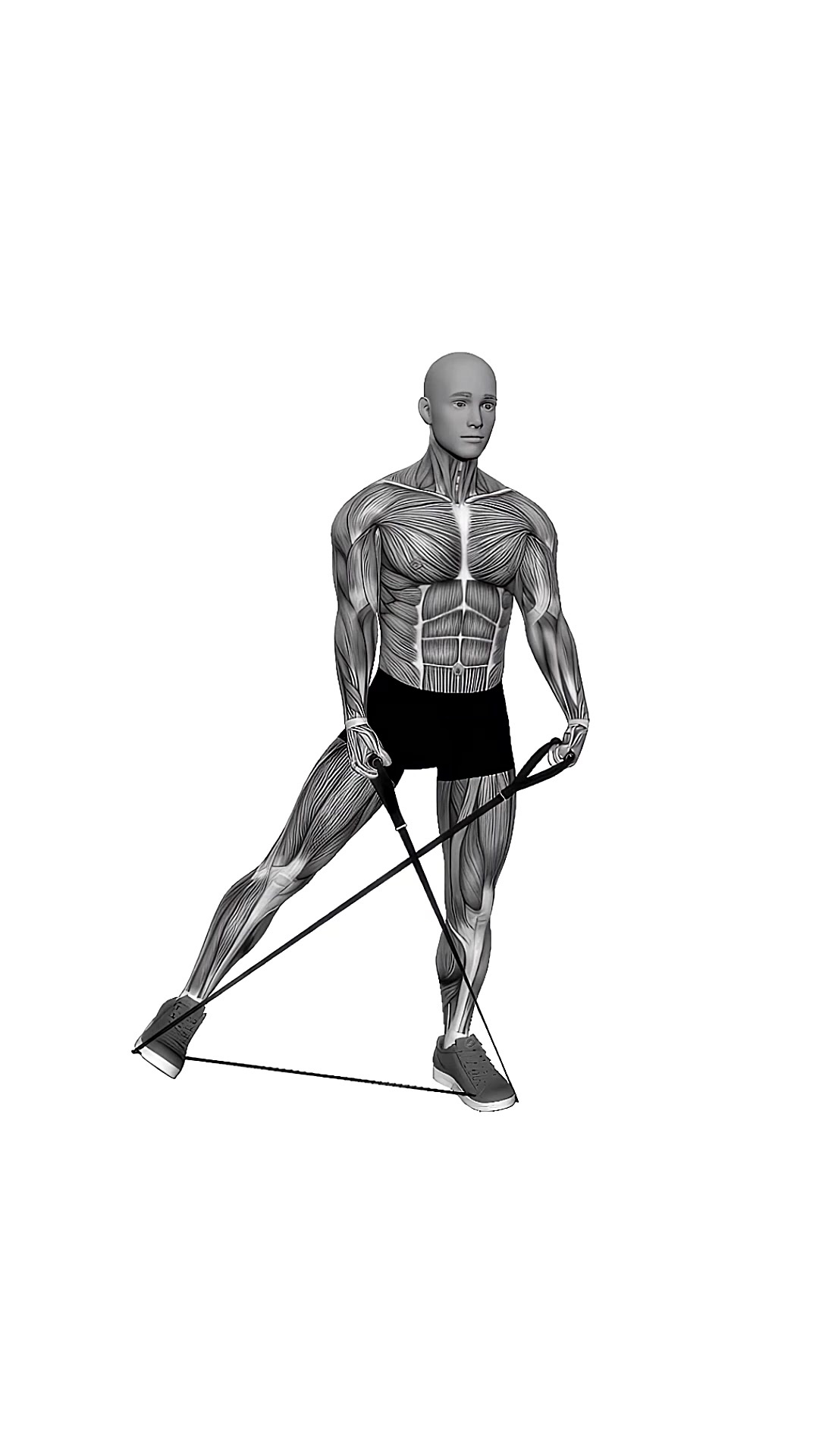
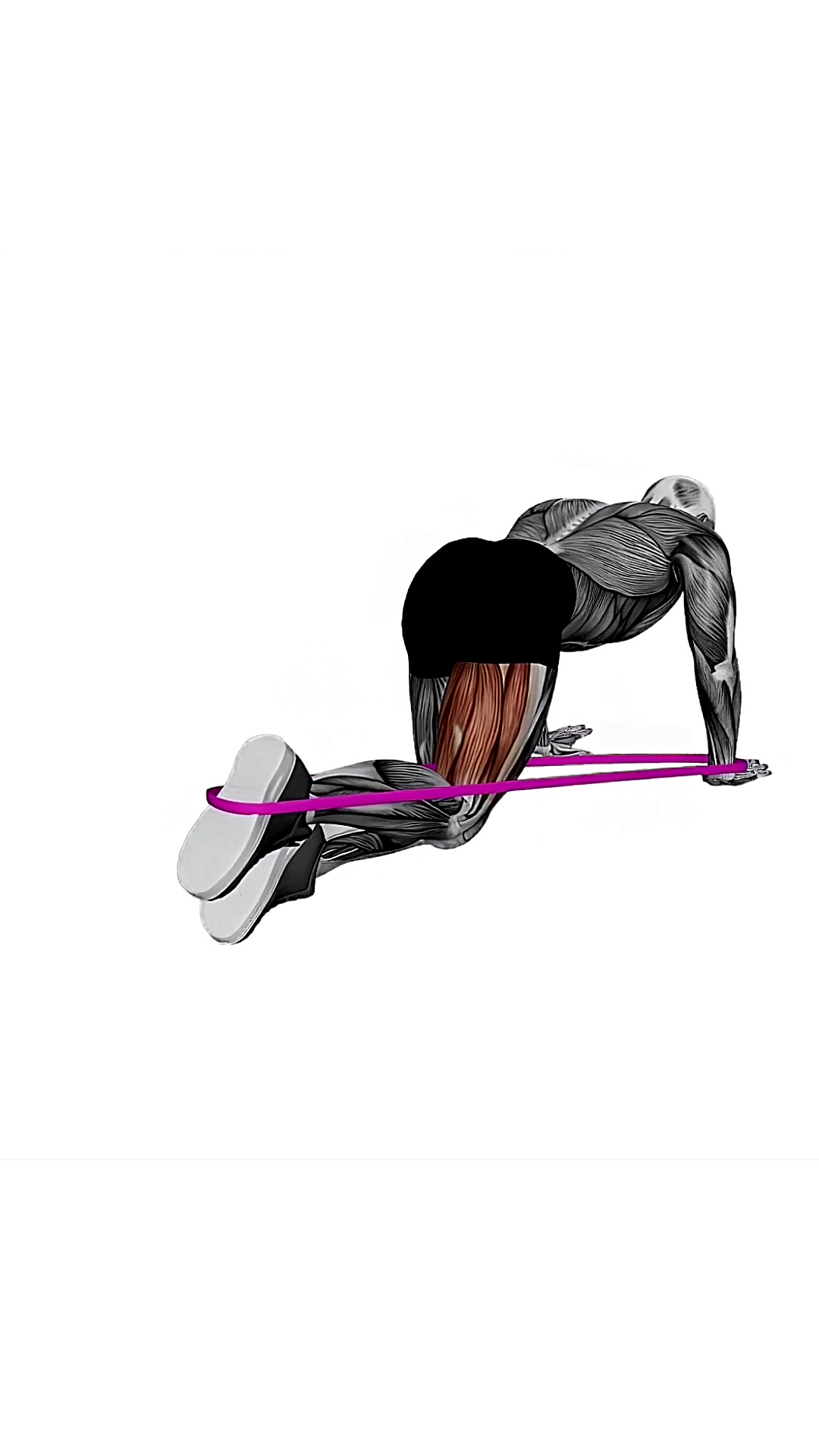
Band Cross Abduction
Resistance Band · Squat
B
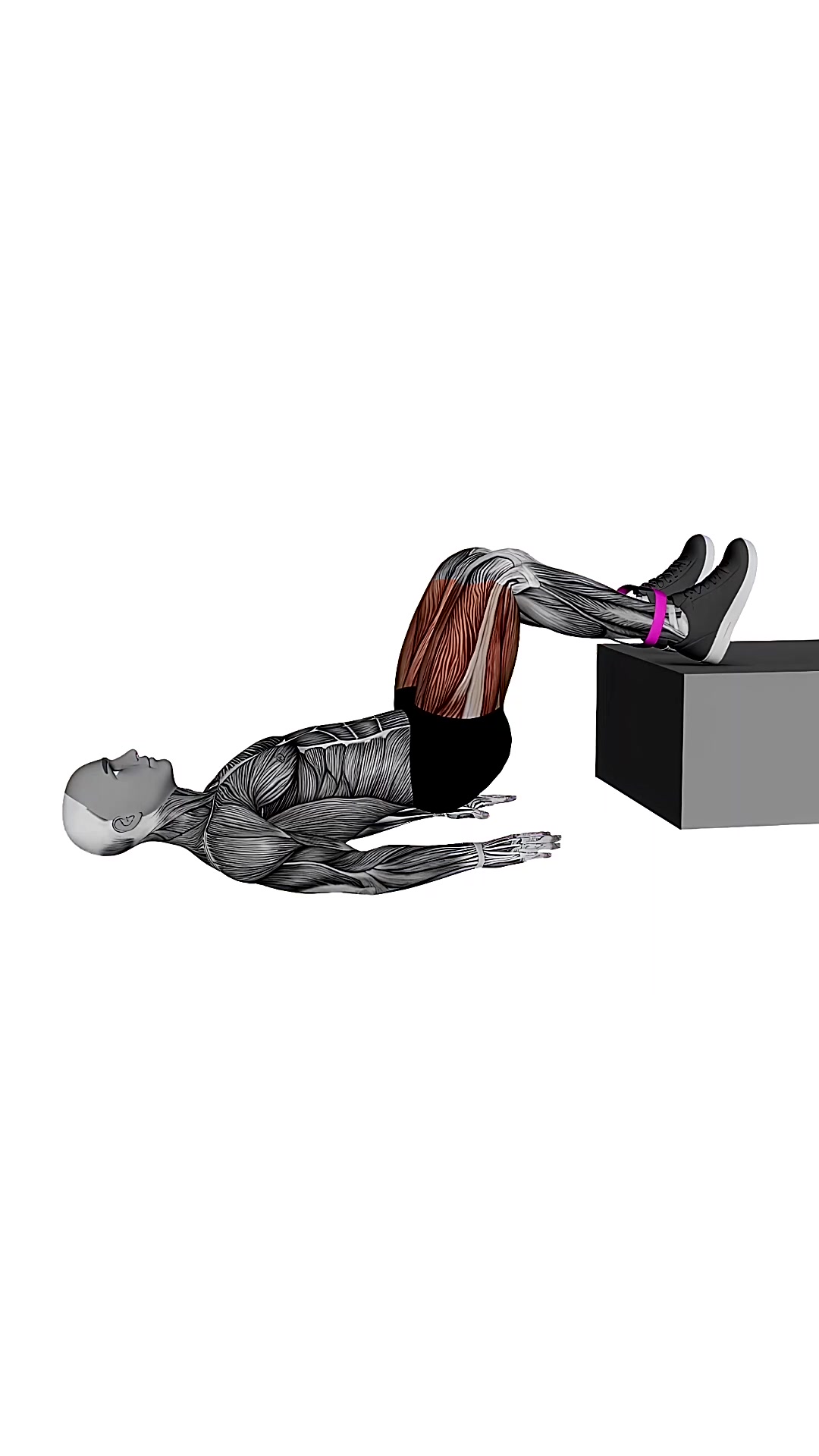
Banded Feet Elevated Hip Thrusters
Resistance Band · Hinge
A
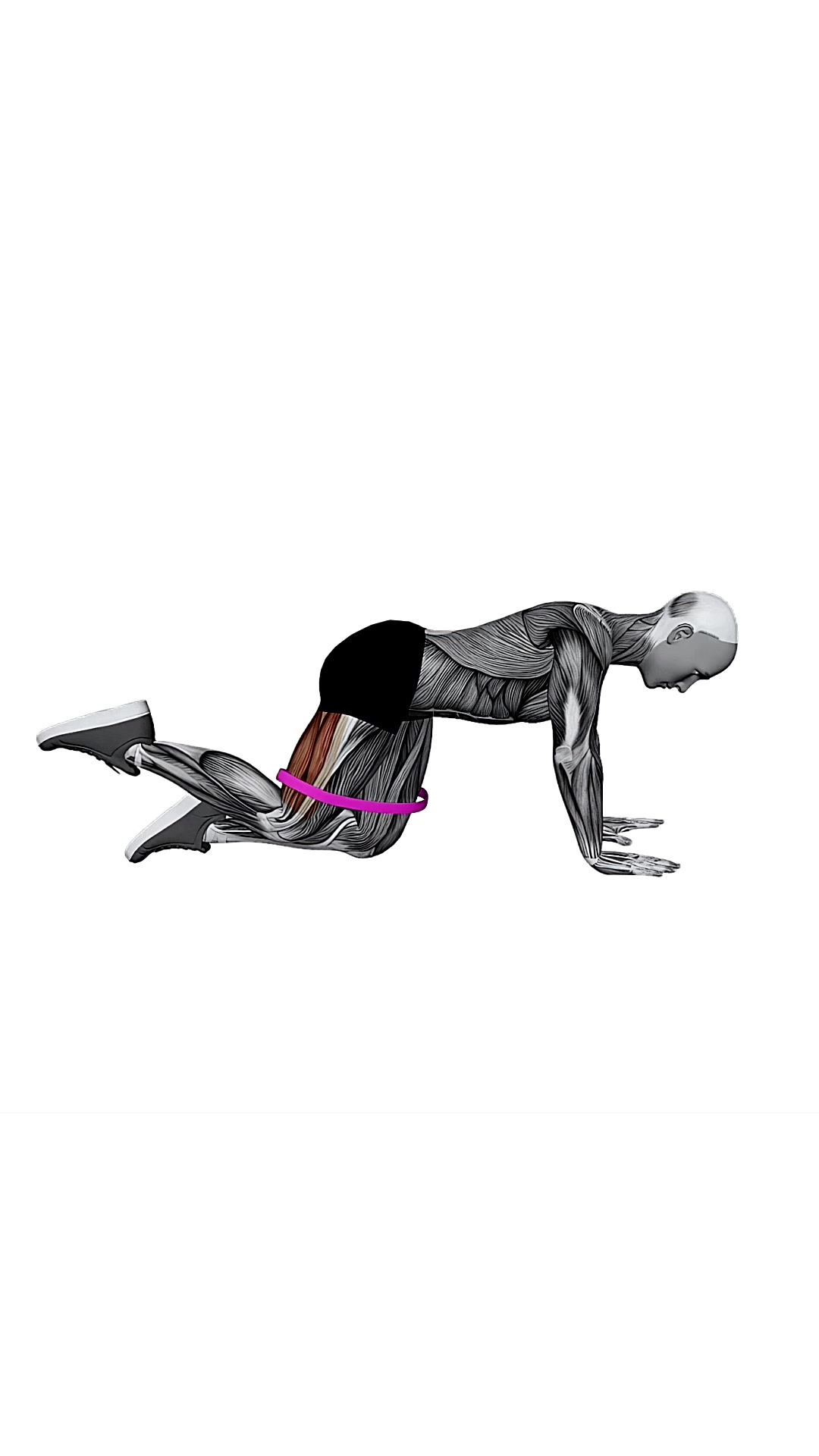
Resistance Band Bent Leg Kickback (kneeling)
Resistance Band · Squat
B
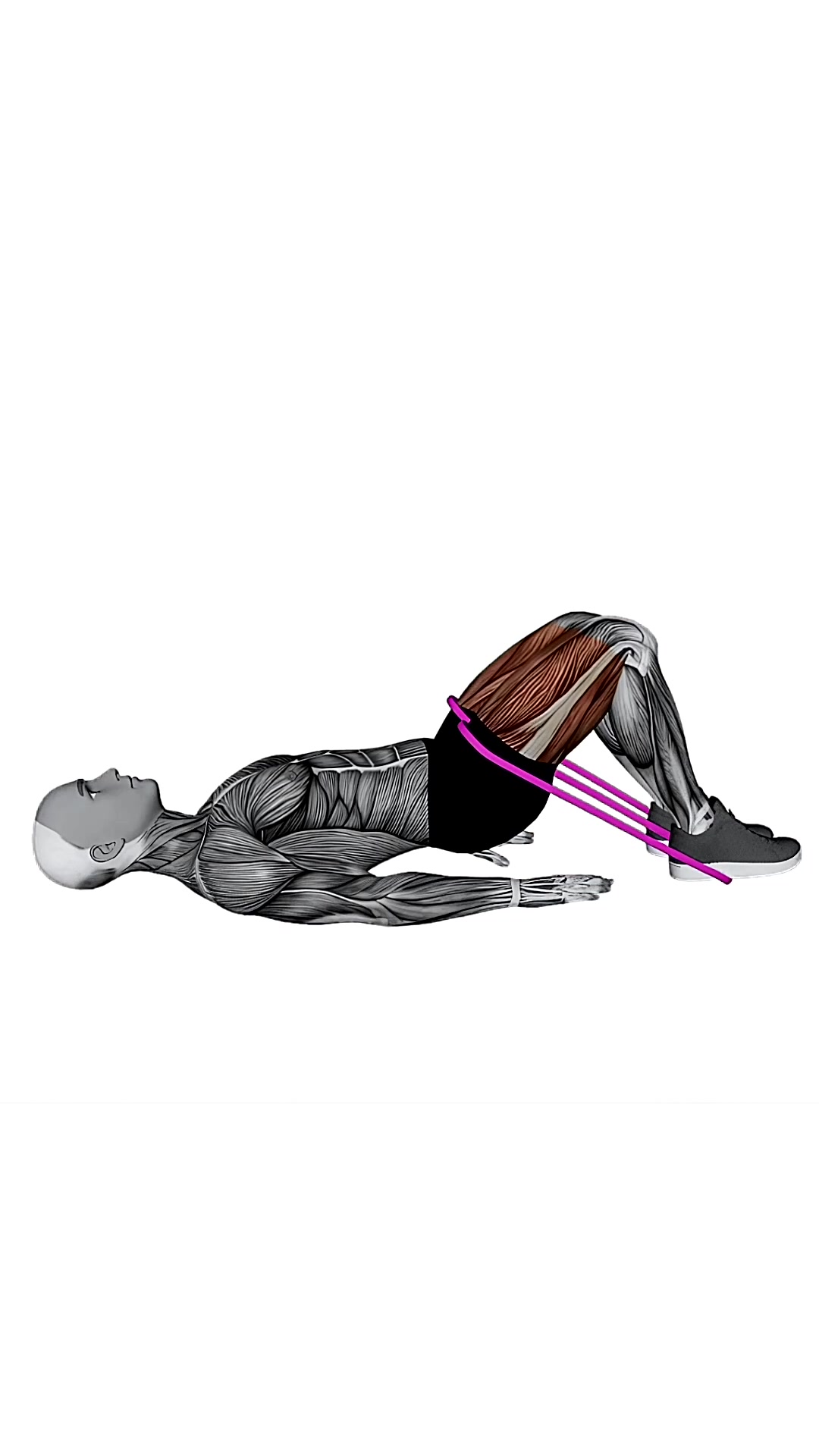
Resistance Band Hip Thrust (version 2)
Resistance Band · Hinge
B
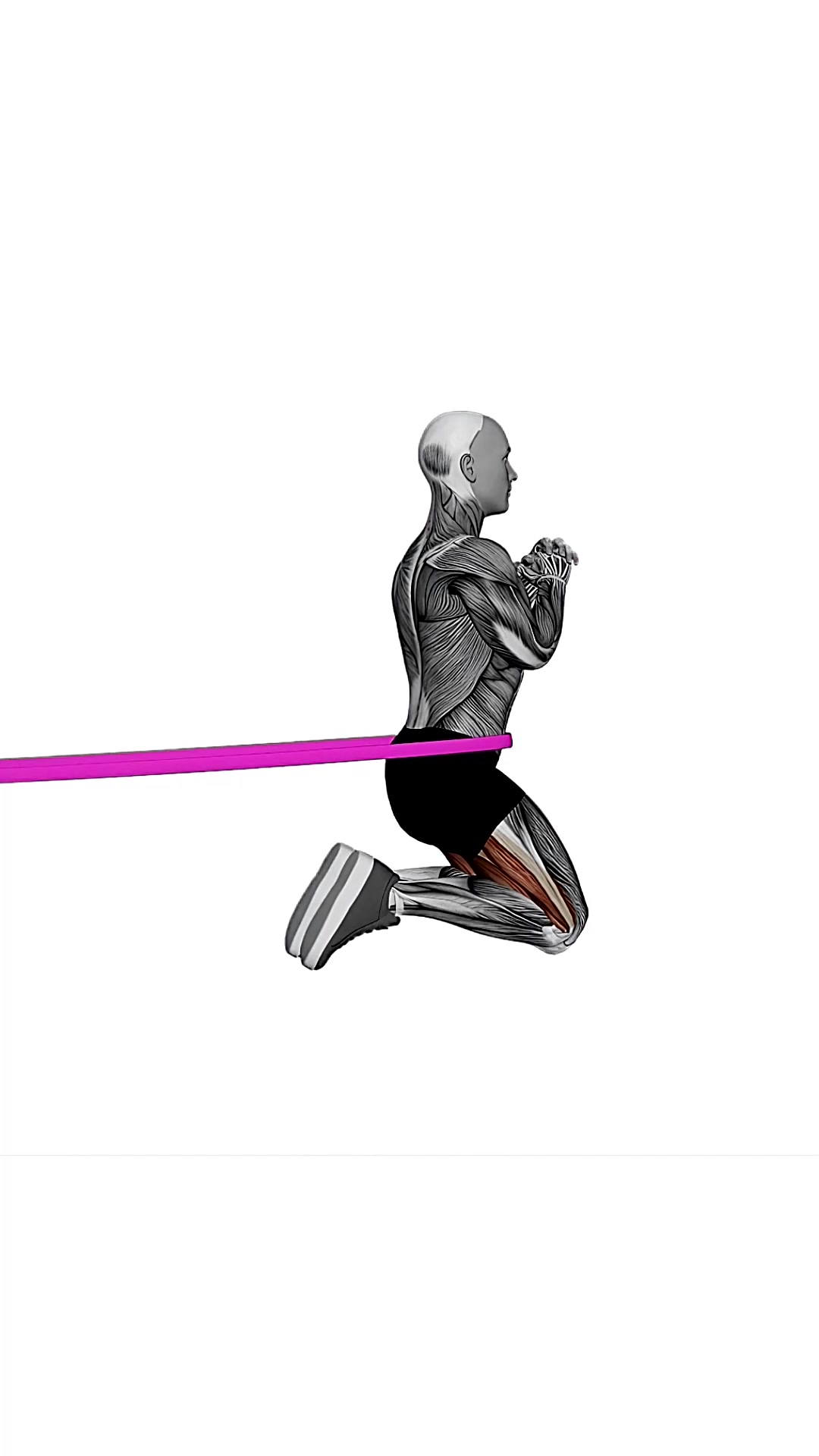
Resistance Band Hip Thrusts On Knees
Resistance Band · Hinge
B
Resistance Band Leg Kickback
Resistance Band · Squat
B
Home ›
Glutes ›
Celebratory Hip Thrust
Celebratory Hip Thrust
GlutesBodyweightCardioCalisthenics
Your Goal General Fitness
Sets
2–3
Reps
10–15
Rest
60s
How To Perform
1
Set up the equipment correctly and adjust seat or handles to your height.
2
Start at a moderate pace to warm up for the first 1-2 minutes.
3
Maintain an upright posture with core engaged throughout.
4
Drive with both arms and legs for maximum calorie burn.
5
Control your breathing — exhale on exertion and find a steady rhythm.
Pro Tips
Interval training — alternating between high and low intensity — burns more fat than steady-state.
Keep your core engaged to improve posture and protect your lower back.
Track your heart rate to make sure you're training in the right zone for your goal.
Overview
A cardiovascular exercise using the no equipment that raises heart rate and burns calories. Works the full body through continuous rhythmic movement, making it effective for conditioning and fat loss.
Muscles Worked
Calisthenics-Cardio-Functional
75%
Full Body
42%
Common Mistakes
Starting at maximum intensity with no warm-up — increases injury risk.
Poor posture — slouching forward or gripping too tight reduces efficiency.
Inconsistent pace — going too hard too soon and burning out early.
About Training Your Glutes
The glutes — primarily the gluteus maximus, with the medius and minimus on the side of the hip — are the strongest muscles in the body and the engine of hip extension. Well-developed glutes drive performance in squats, deadlifts, and sprints, and support the lower back and hips.
Hip thrusts and glute bridges load the glutes through their strongest range and are the most direct builders. Squats, lunges, and Romanian deadlifts add size through deep hip flexion, while abduction work and kickbacks target the upper and side glutes for shape and hip stability.
Focus on driving through the heels and squeezing the glutes hard at the top of each rep rather than arching the lower back.