Calf Stretch With Rope
Similar Exercises
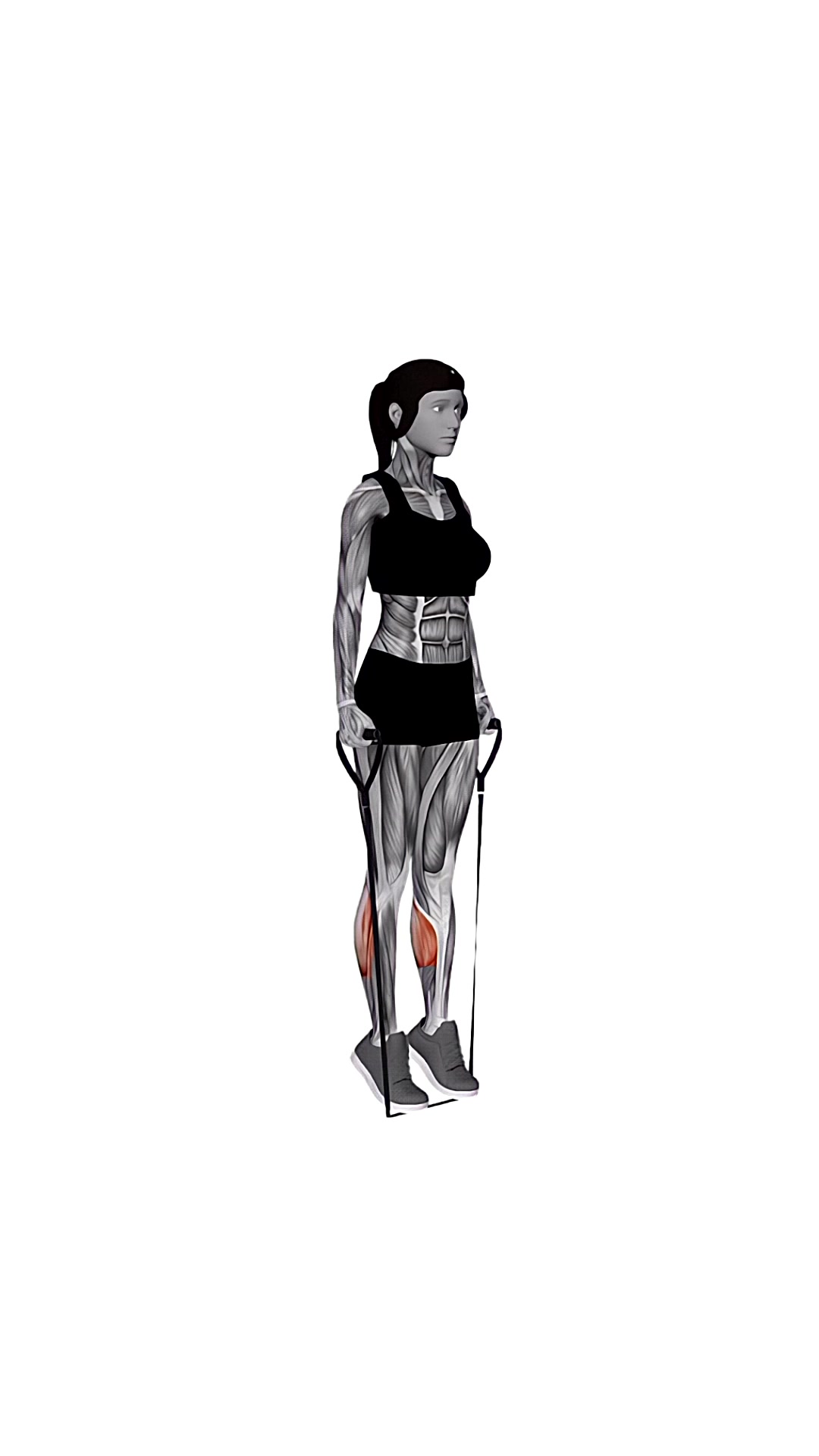
Band Two Legs Calf Raise - (band Under Both Legs) Version 2
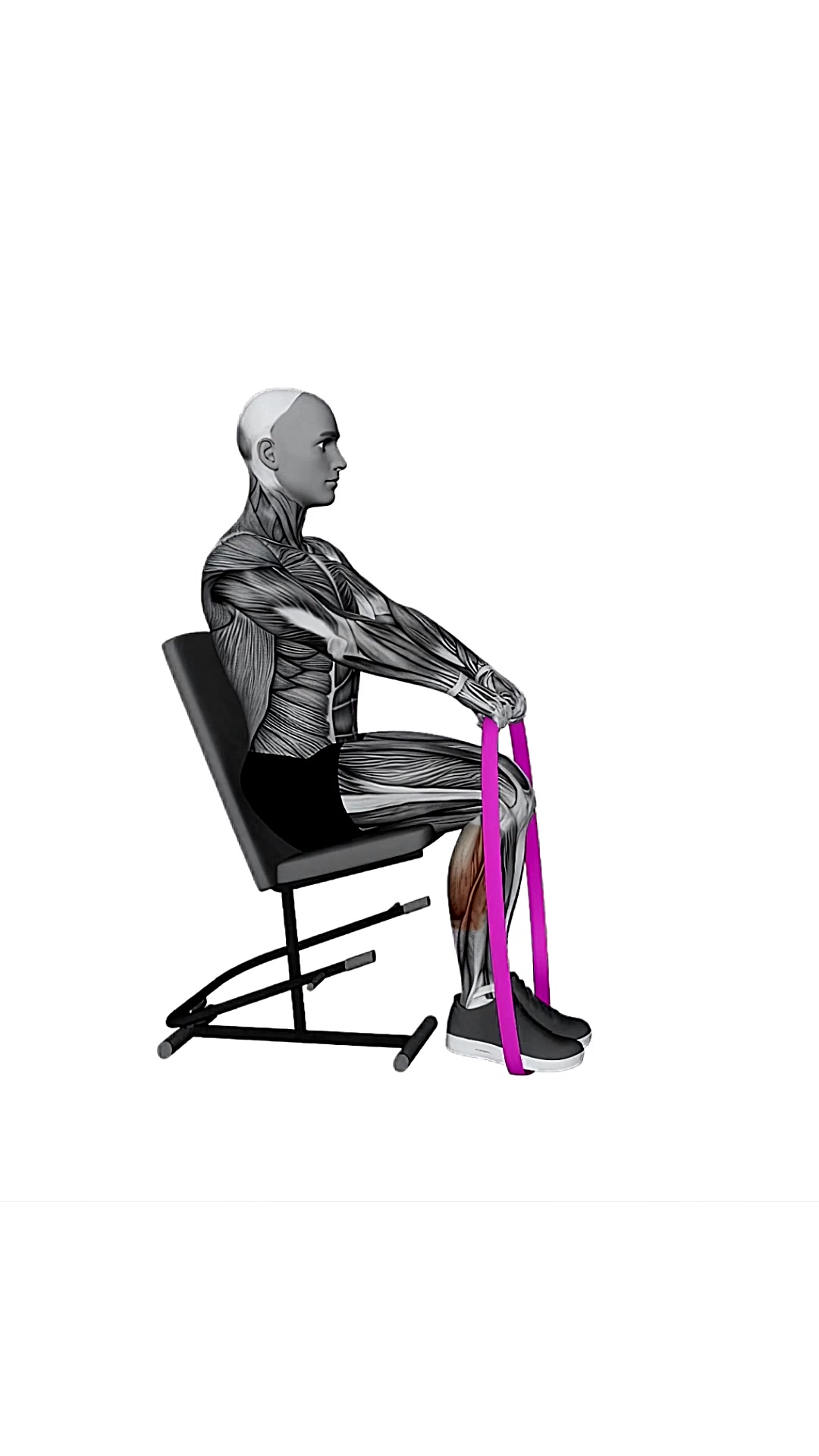
Resistance Band Calf Press Sitting On Chair
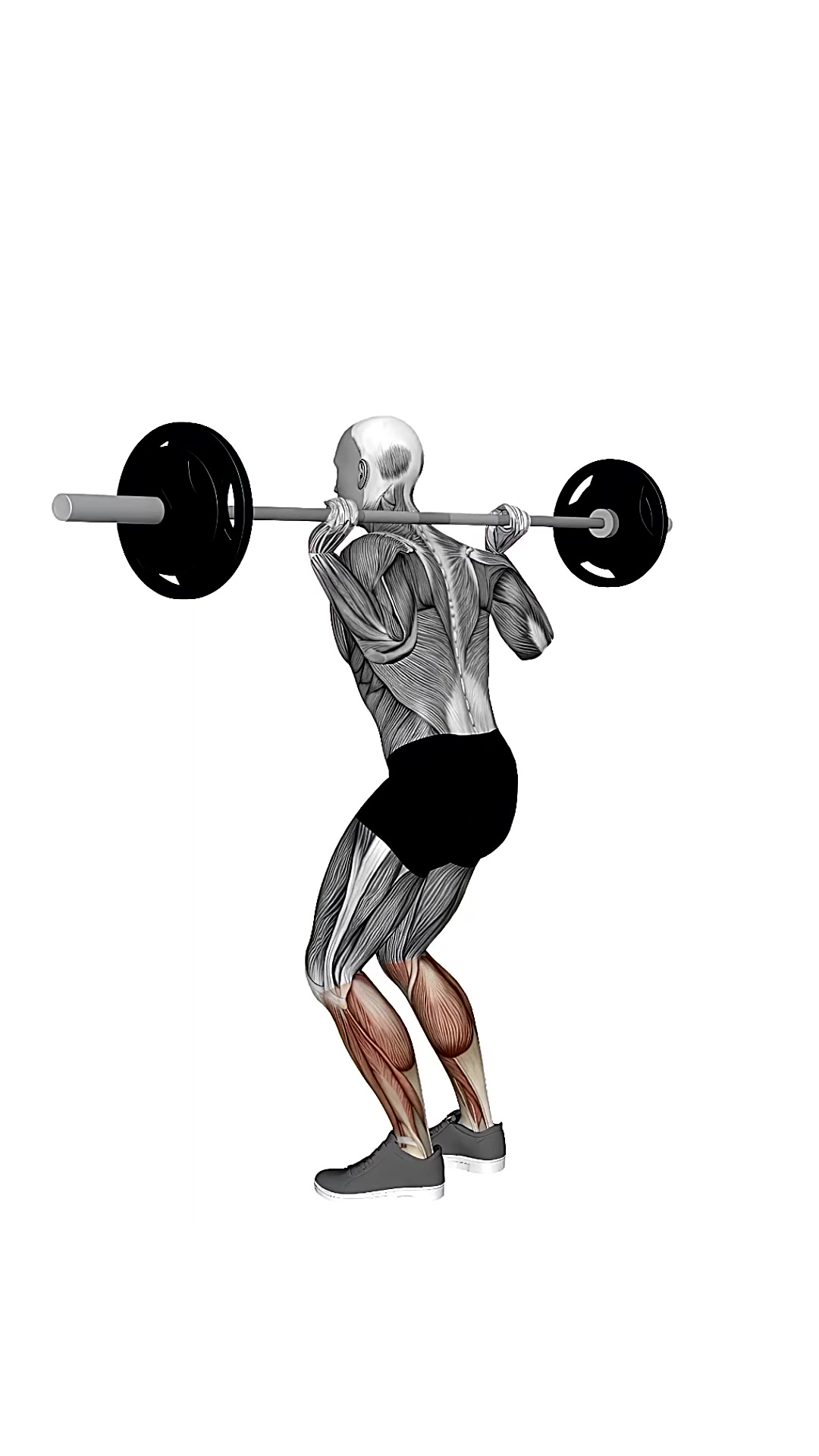
Barbell Calf Jump
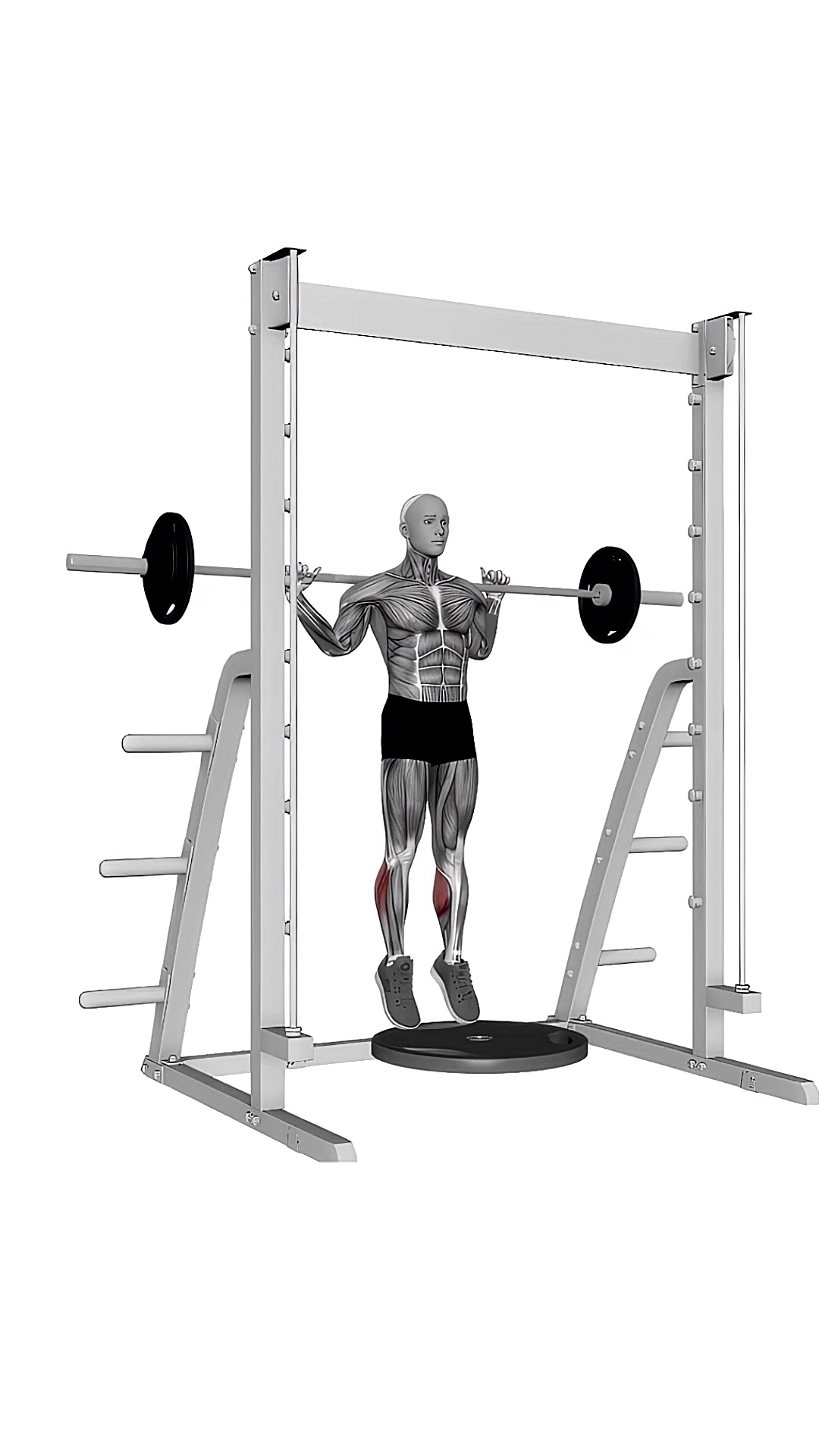
Barbell Standing Leg Calf Raise
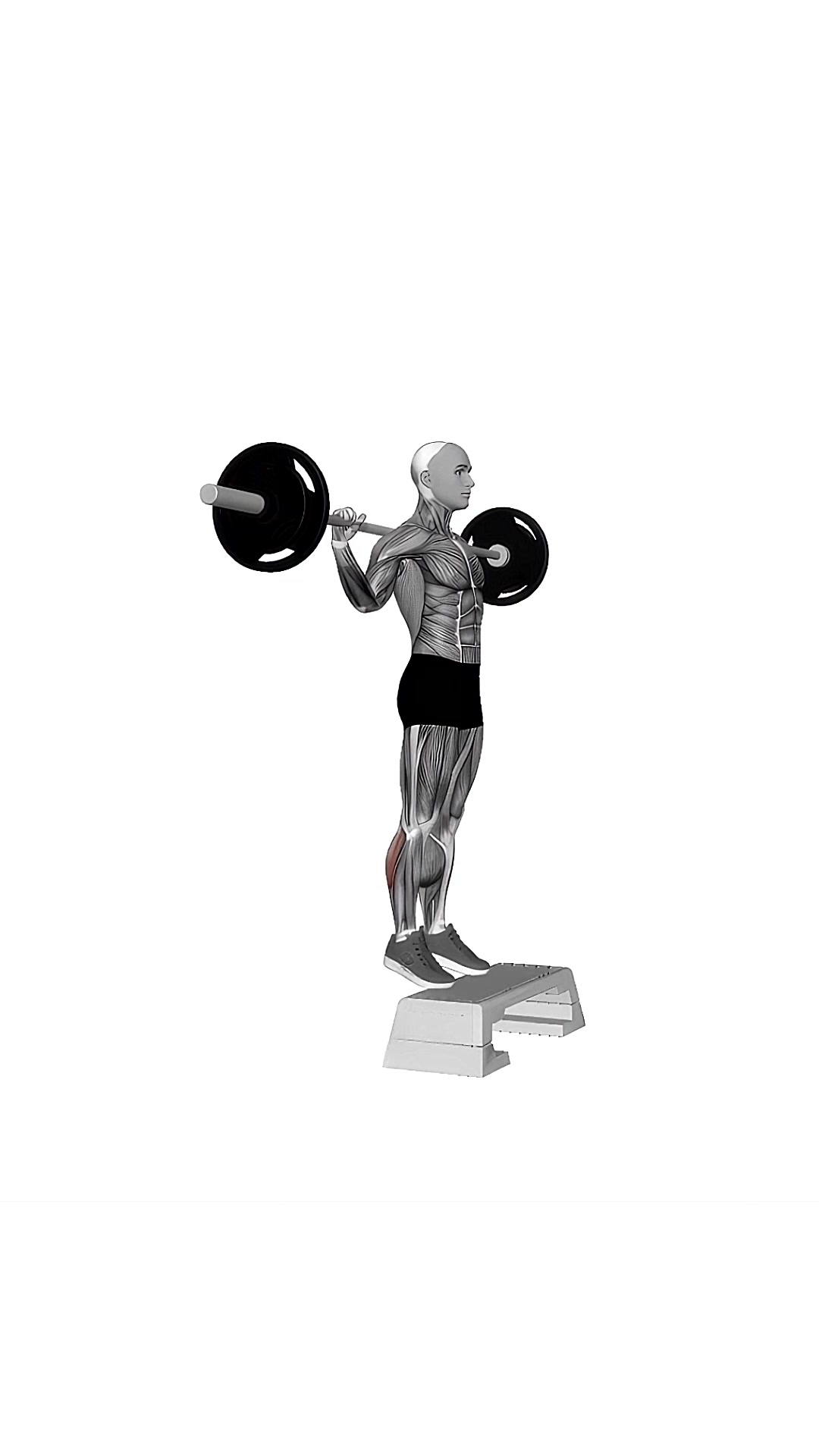
Barbell Standing Leg Calf Raises
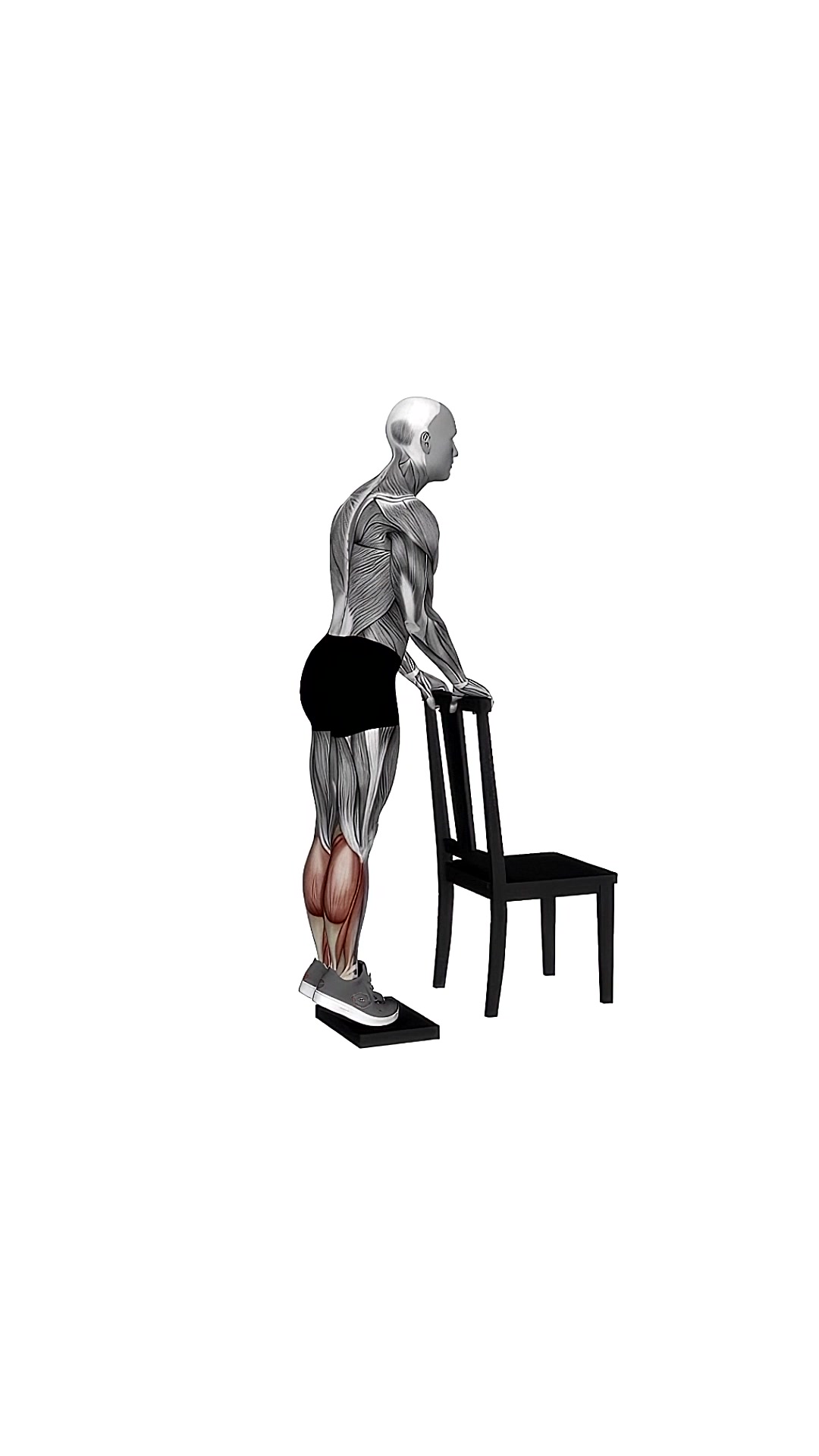
Calf Raise From Deficit With Chair Supported
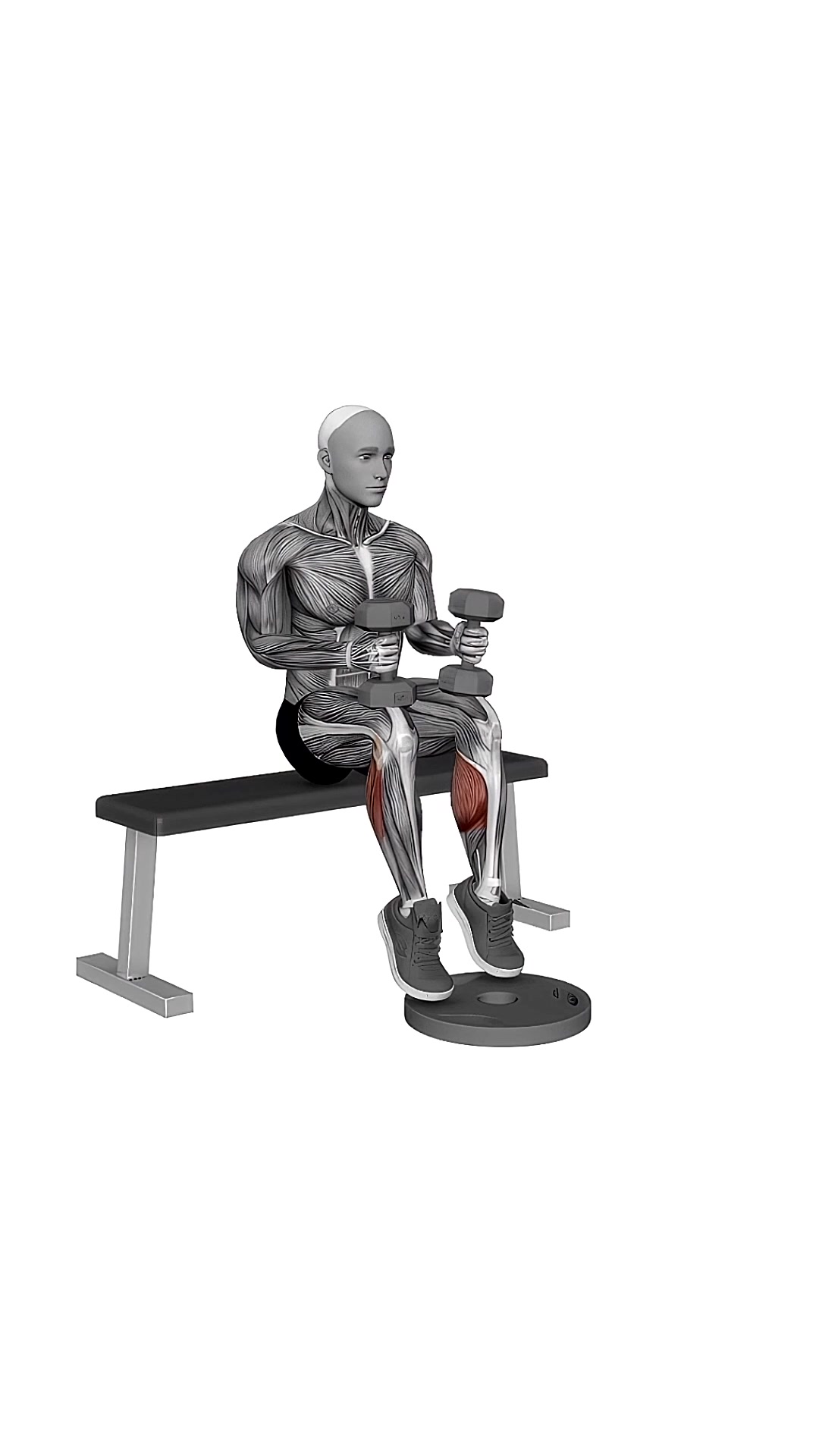
Dumbbell Seated Calf Raise
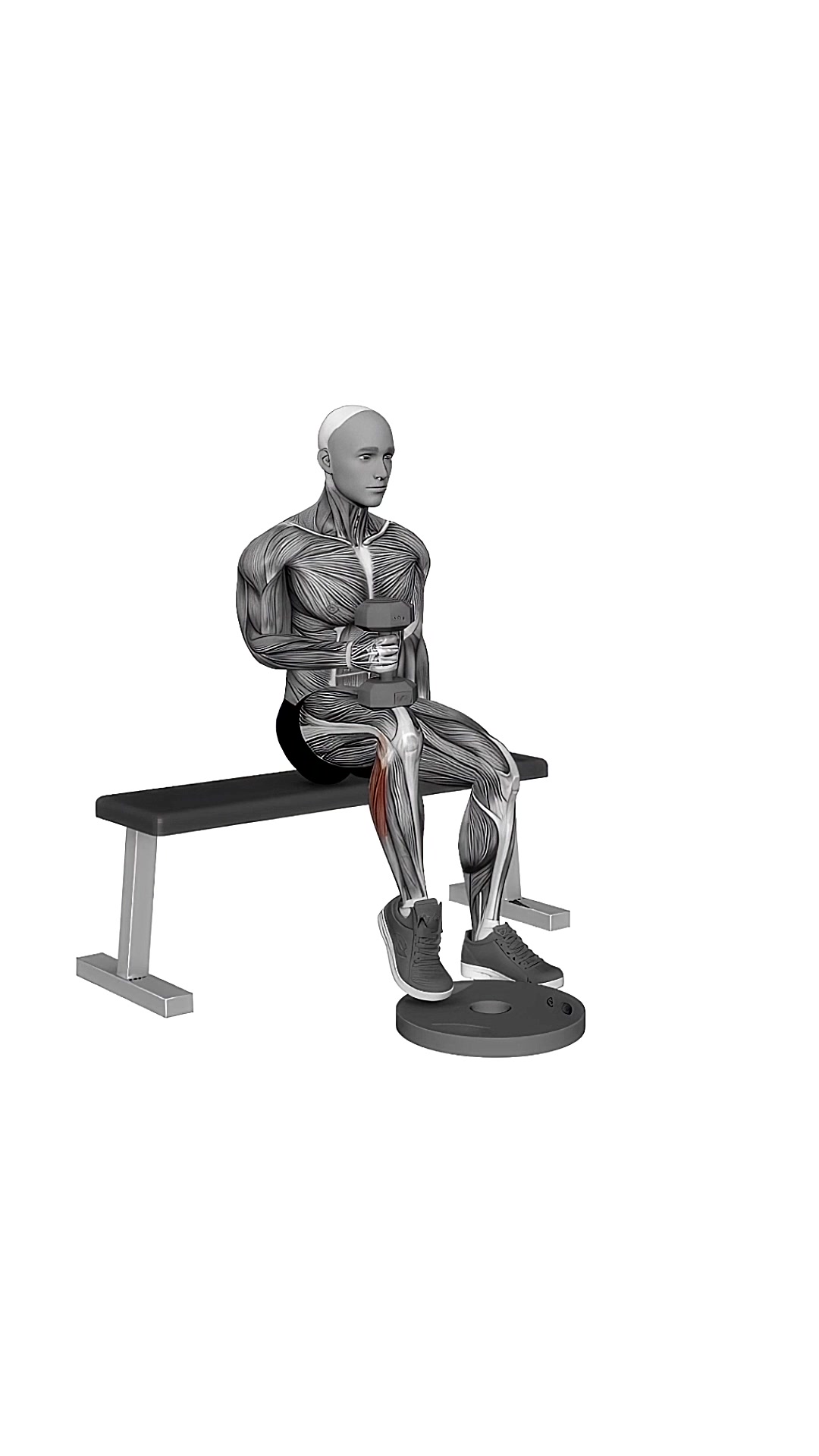
Dumbbell Seated One Leg Calf Raise Hammer Grip
Calf Stretch With Rope
Calves
Bodyweight
Mobility/Flexibility
Mobility / Stretching
Your Goal General Fitness
Sets
2–3
Reps
10–15
Rest
60s
How To Perform
1
Get into the starting position as shown, keeping your back straight.
2
Move slowly into the stretch until you feel tension — not pain.
3
Hold for 20-30 seconds, breathing steadily throughout.
4
Release gently and repeat on the opposite side if applicable.
5
Never force the stretch — ease in a little further each time you exhale.
Pro Tips
Stretch after your workout when muscles are warm — you'll get further with less risk.
Breathe out as you ease deeper into the stretch.
Consistency matters more than intensity — daily short stretches beat occasional long ones.
Overview
A flexibility movement that loosens the stretching and surrounding tissue. Regular practice improves range of motion and reduces injury risk.
Muscles Worked
Common Mistakes
Forcing the stretch too aggressively — pain means you've gone too far.
Holding your breath instead of breathing steadily through the stretch.
Rushing through it — each position needs time to release properly.
About Training Your Calves
The calves — the gastrocnemius and the deeper soleus — control the ankle and drive every step, jump, and sprint. They are used to constant activity, so they respond best to high volume, full range of motion, and consistency.
Standing calf raises (knees straight) bias the gastrocnemius, while seated calf raises (knees bent) target the soleus — training both is ideal. Use a deep stretch at the bottom and a full squeeze at the top, and don’t bounce through reps.
Higher rep ranges of 12–20 and frequent training are usually needed to grow stubborn calves.
Popular Calves exercises: