Pick a muscle group or browse all exercises — with instructions, tips, and common mistakes for every movement.
Select Muscle
Click a muscle to browse
Browse by Muscle Group
Browse by Equipment
Browse by Training Style
Quick Start — Workout Splits
Pre-made Dumbbell Workouts
Muscle Group
Equipment
Movement Type
✕ Clear all filters
⌕
0 Exercises
📋 Save as Workout
Clear
◈
Select an exercise to preview
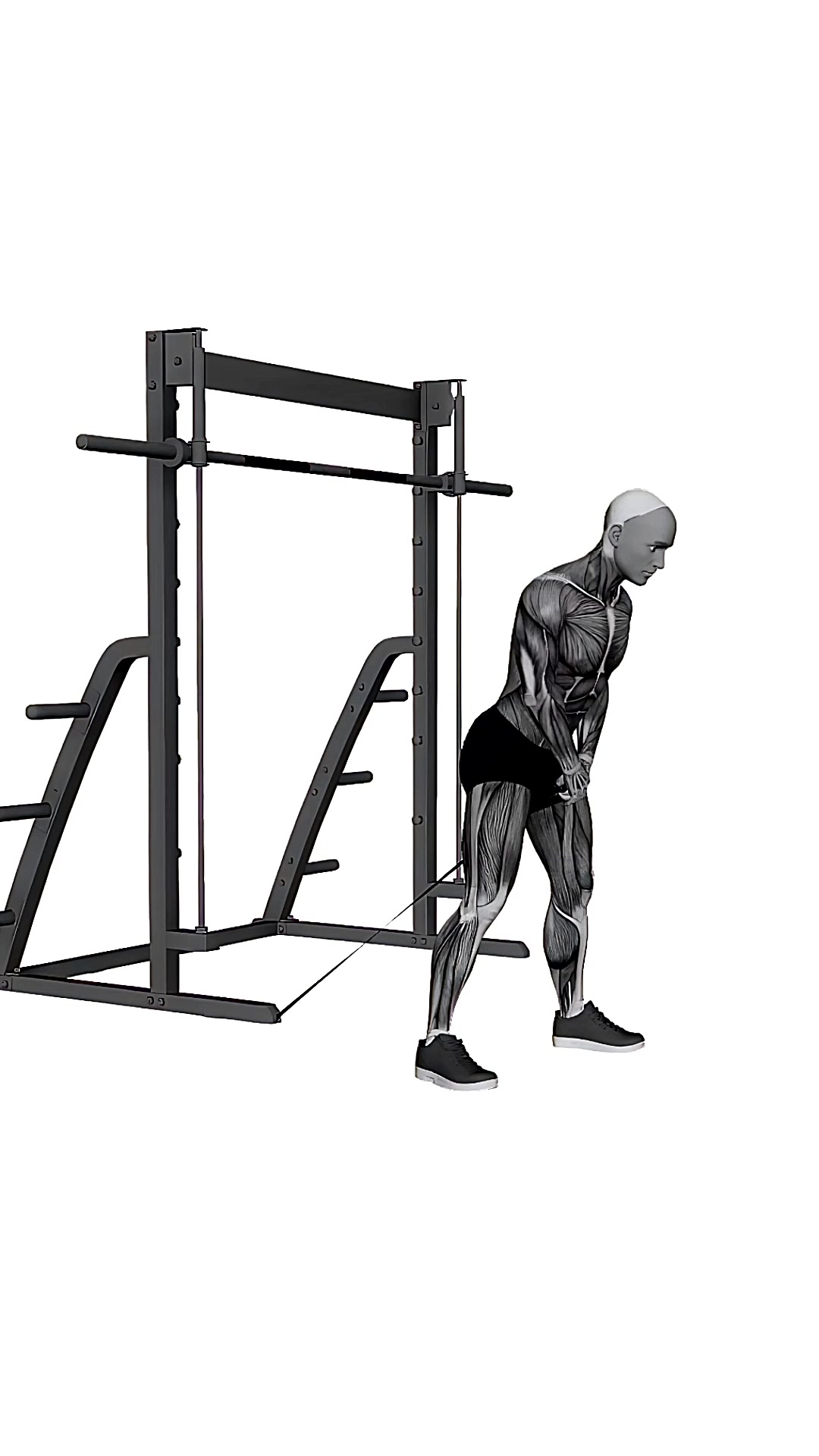
Cable Pull Through
Similar Exercises
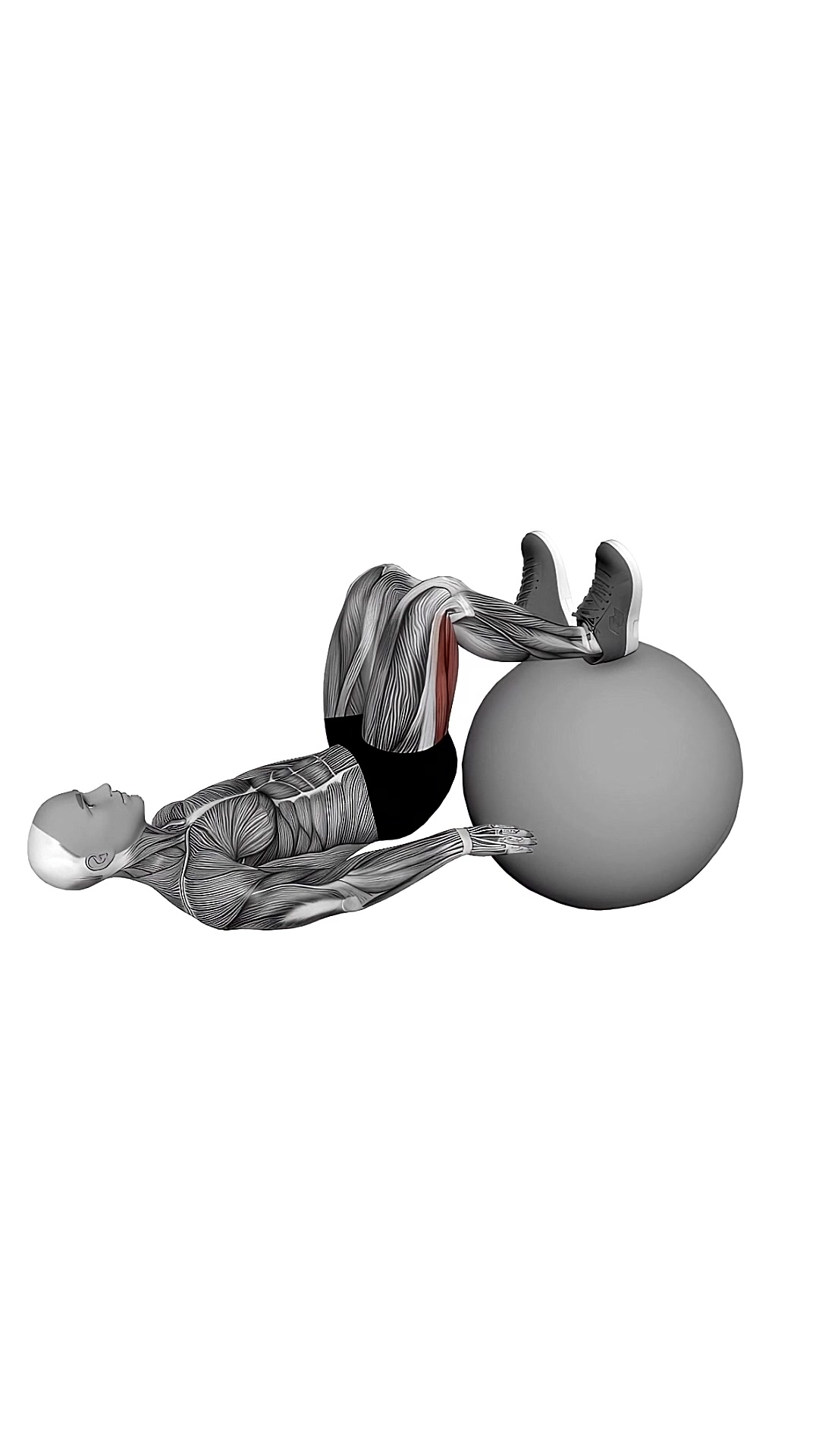
Exercise Ball Leg Curl
Stability Ball · Pull
B
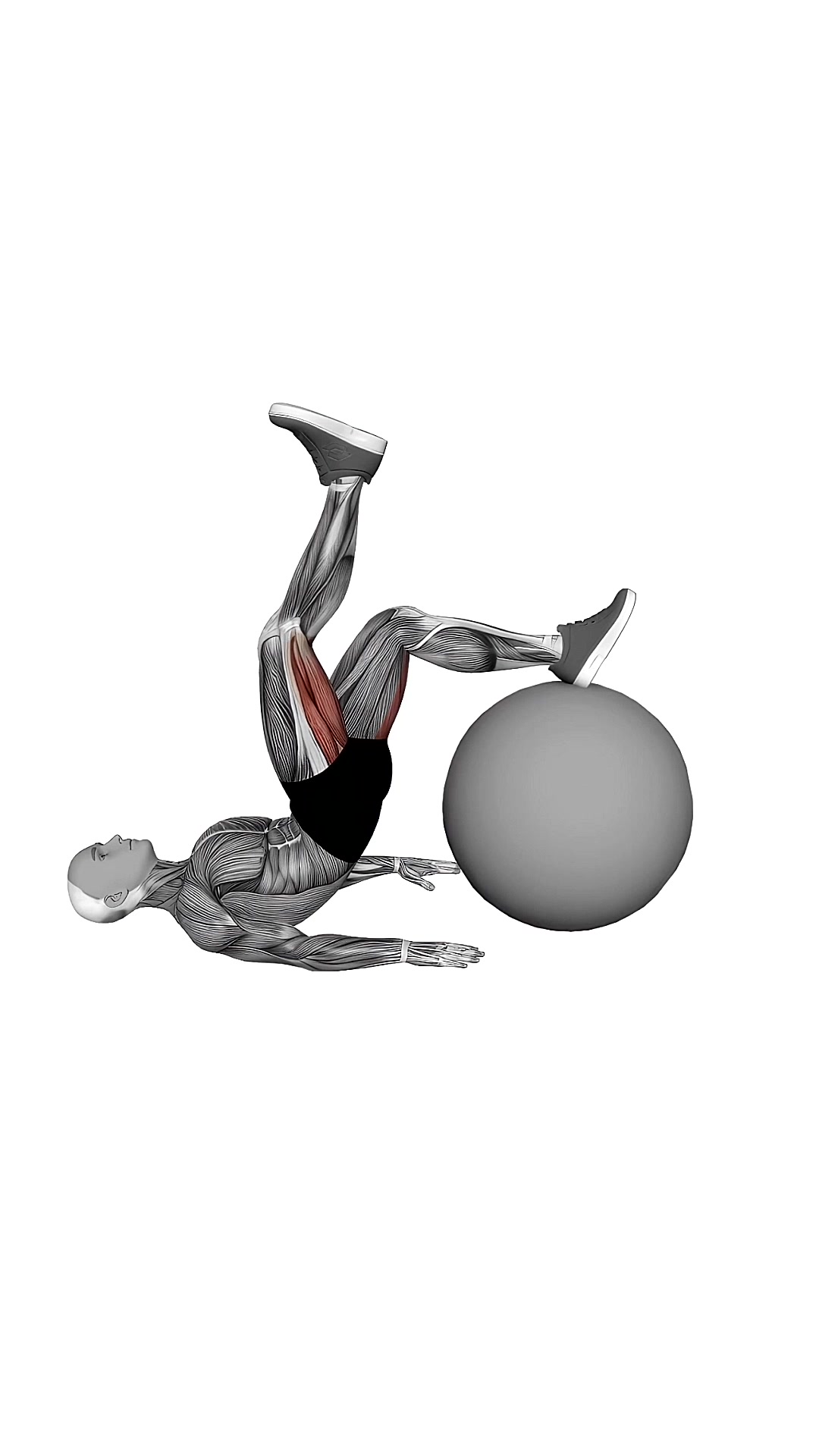
Exercise Ball One Legged Diagonal Kick Hamstring Curl
Stability Ball · Pull
B
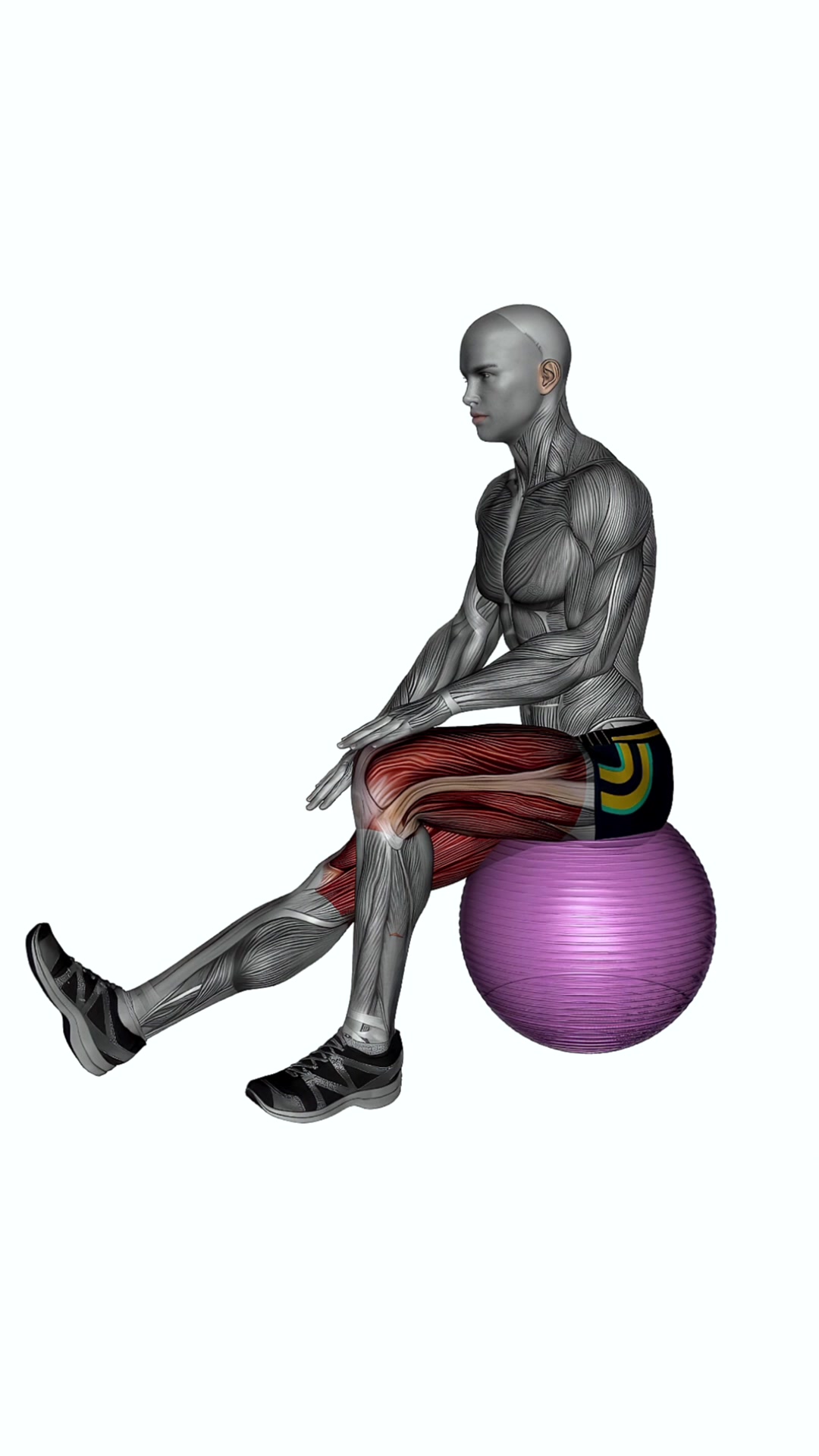
Exercise Ball Seated Hamstring Stretch
Stability Ball · Mobility/Flexibility
B
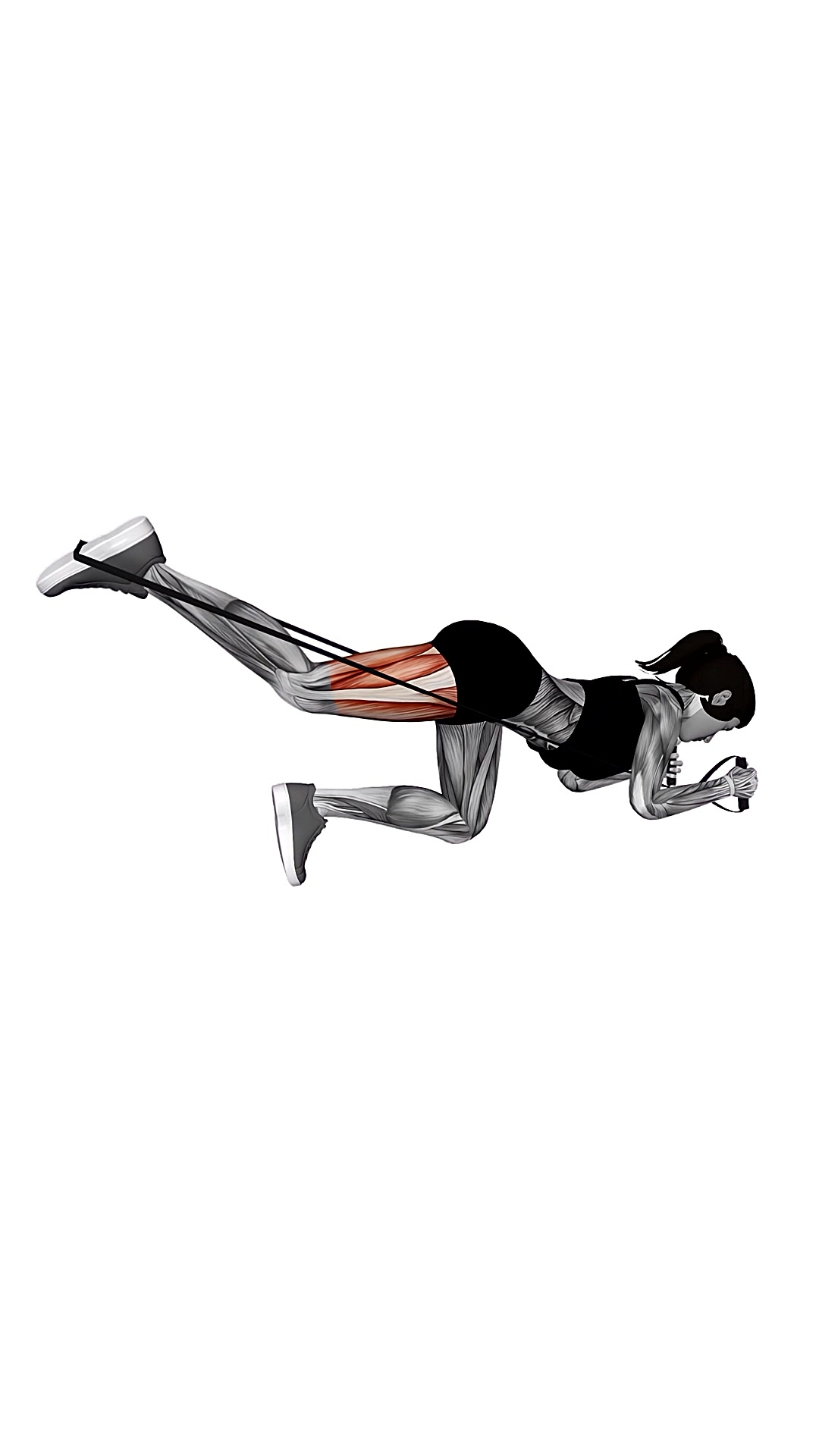
Band Kneeling Rear Kick
Resistance Band · Squat
B
Band Pullthrough
Resistance Band · Squat
B
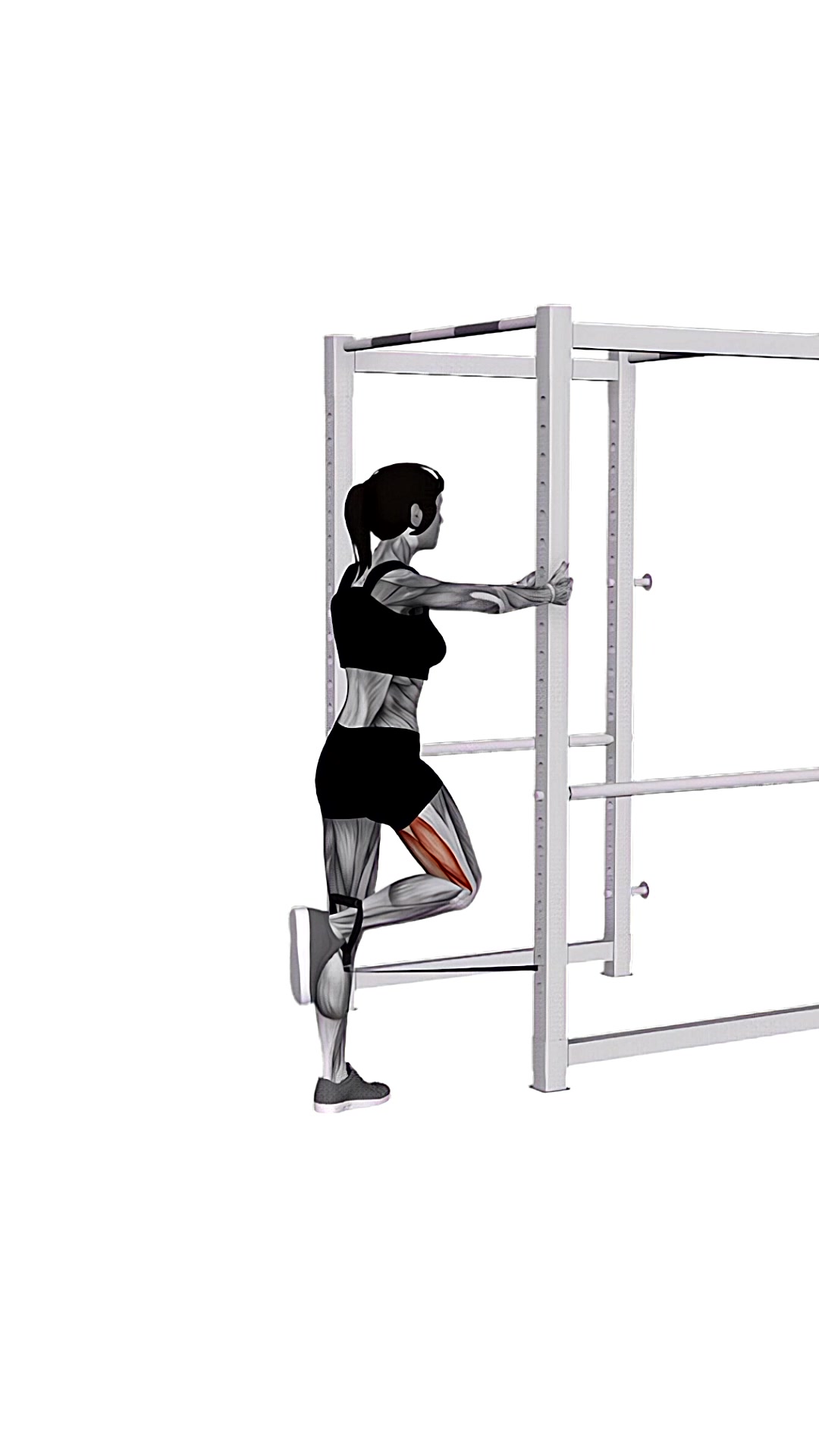
Band Standing Leg Curl
Resistance Band · Pull
B
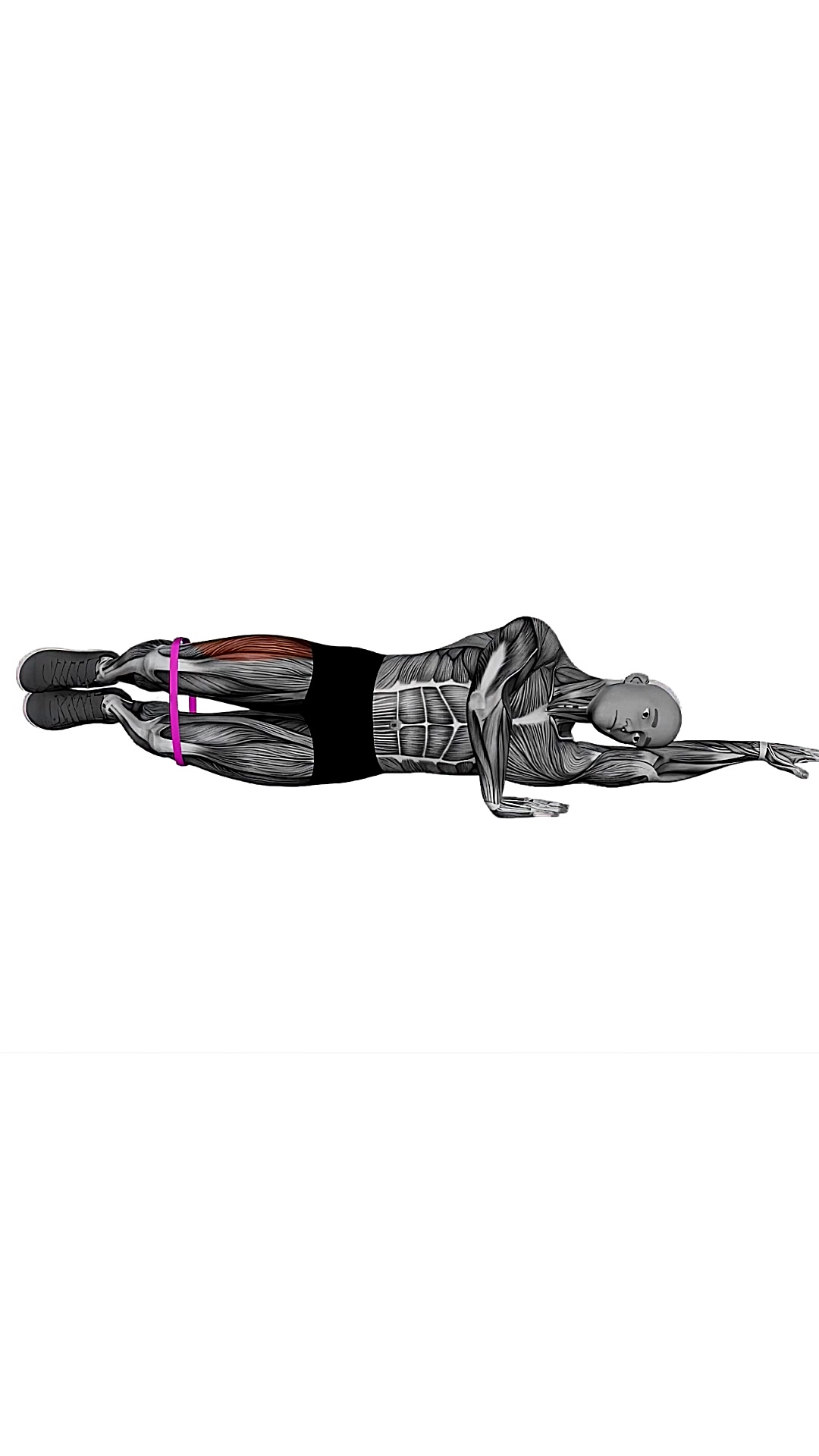
Resistance Band Clam
Resistance Band · Squat
B
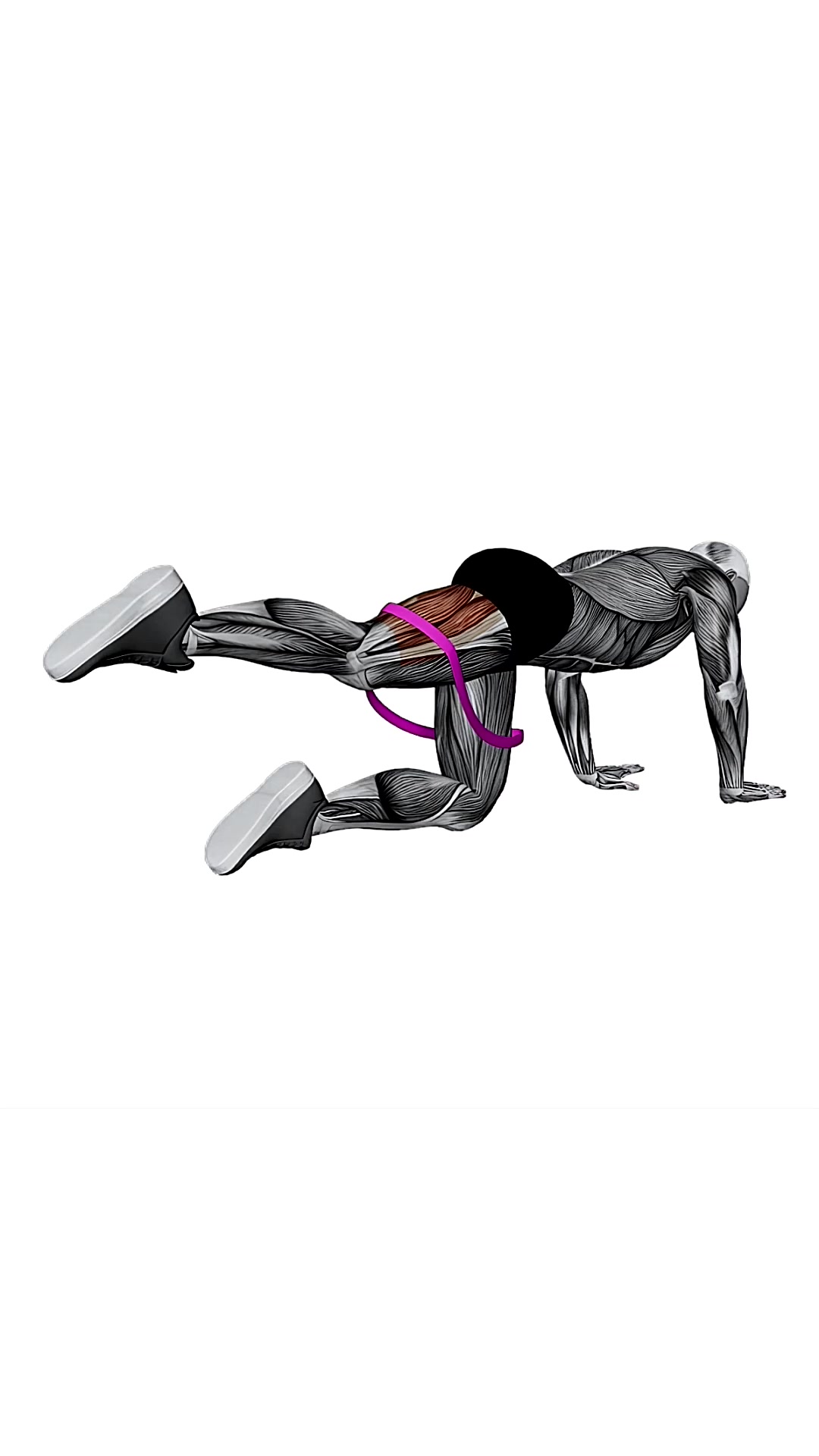
Resistance Band Kneeling Leg Half Circle
Resistance Band · Squat
B
Home ›
Hamstrings ›
Cable Pull Through
Cable Pull Through
HamstringsCable MachineRotationHypertrophy
Your Goal General Fitness
Sets
2–3
Reps
10–15
Rest
60s
How To Perform
1
Set up in a stable stance with core braced and feet shoulder-width apart.
2
Initiate the rotation from your torso — hips stay relatively square.
3
Rotate through the full range of motion, keeping arms relatively straight.
4
Control the return — resist the pull back slowly rather than letting it snap.
5
Keep your spine tall and neutral throughout — don't hunch.
Pro Tips
Focus on feeling the target muscle working rather than just moving the weight.
The last 2-3 reps of a set are where growth happens — push through them with good form.
Rest 60-90 seconds between sets for hypertrophy, 2-3 minutes for strength work.
Overview
A legs movement using a cable that loads the legs through its full range, with Glutes picking up the supporting work. One of the more effective exercises for building size and strength in this area.
Muscles Worked
Legs
75%
Glutes
42%
Hamstrings
32%
Calves
22%
Common Mistakes
Using too much weight and sacrificing form to complete the movement.
Rushing through reps — speed kills the time under tension that drives results.
Neglecting the eccentric phase — lowering with control is where a lot of the growth happens.
About Training Your Hamstrings
The hamstrings run down the back of the thigh and perform two jobs: bending the knee and extending the hip. Strong hamstrings balance the quads, protect the knee, and are essential for sprinting and powerful hip extension.
Train them with two movement types. Knee-flexion work — lying and seated leg curls — targets the hamstrings directly, while hip-hinge movements like the Romanian deadlift, good morning, and Nordic curl load them through a powerful stretch. Combining both builds fuller, more resilient hamstrings than curls alone.
On hinges, push the hips back with a flat back and feel the stretch rather than rounding the spine. A slow lowering phase dramatically increases the training effect.