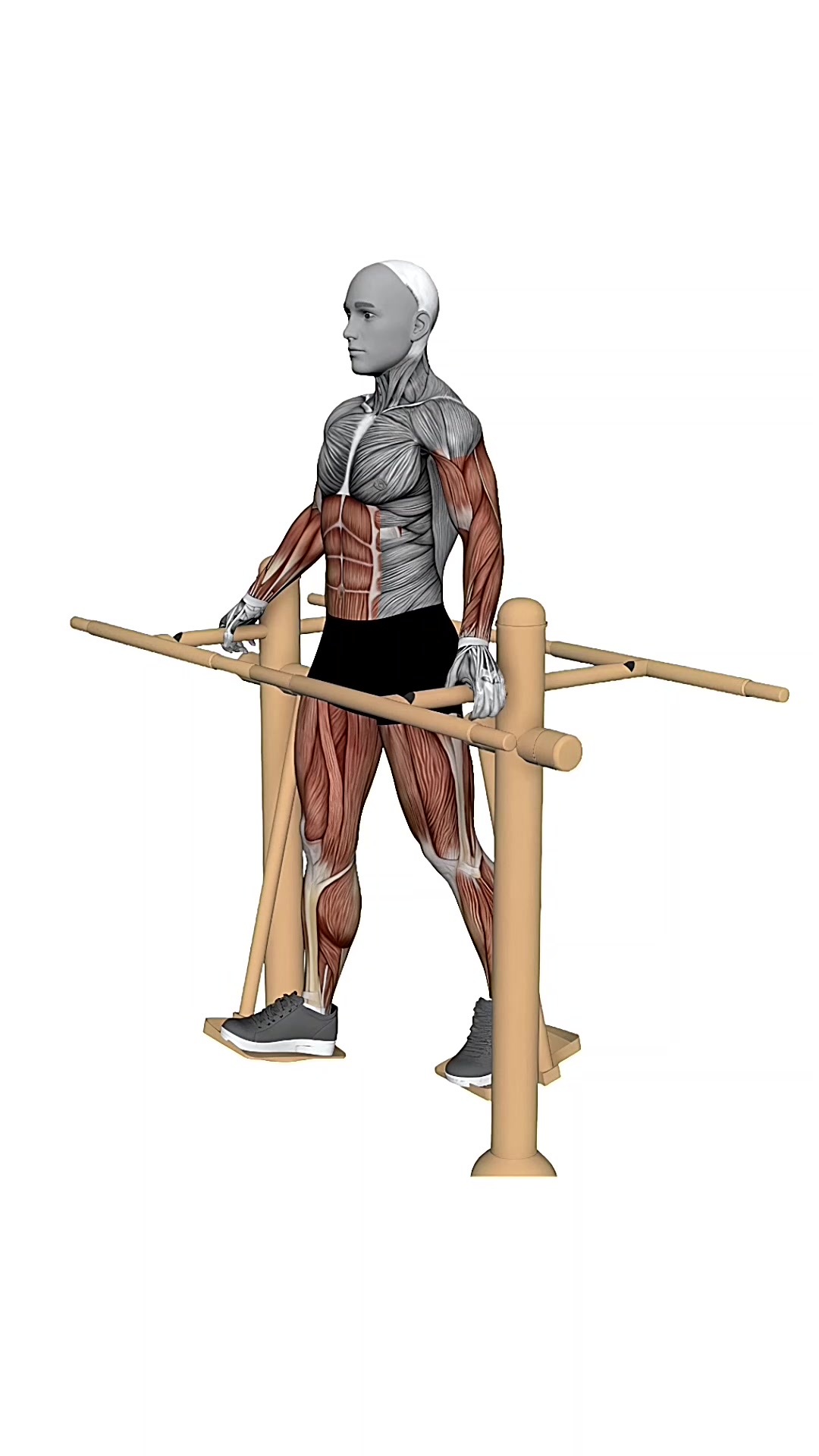
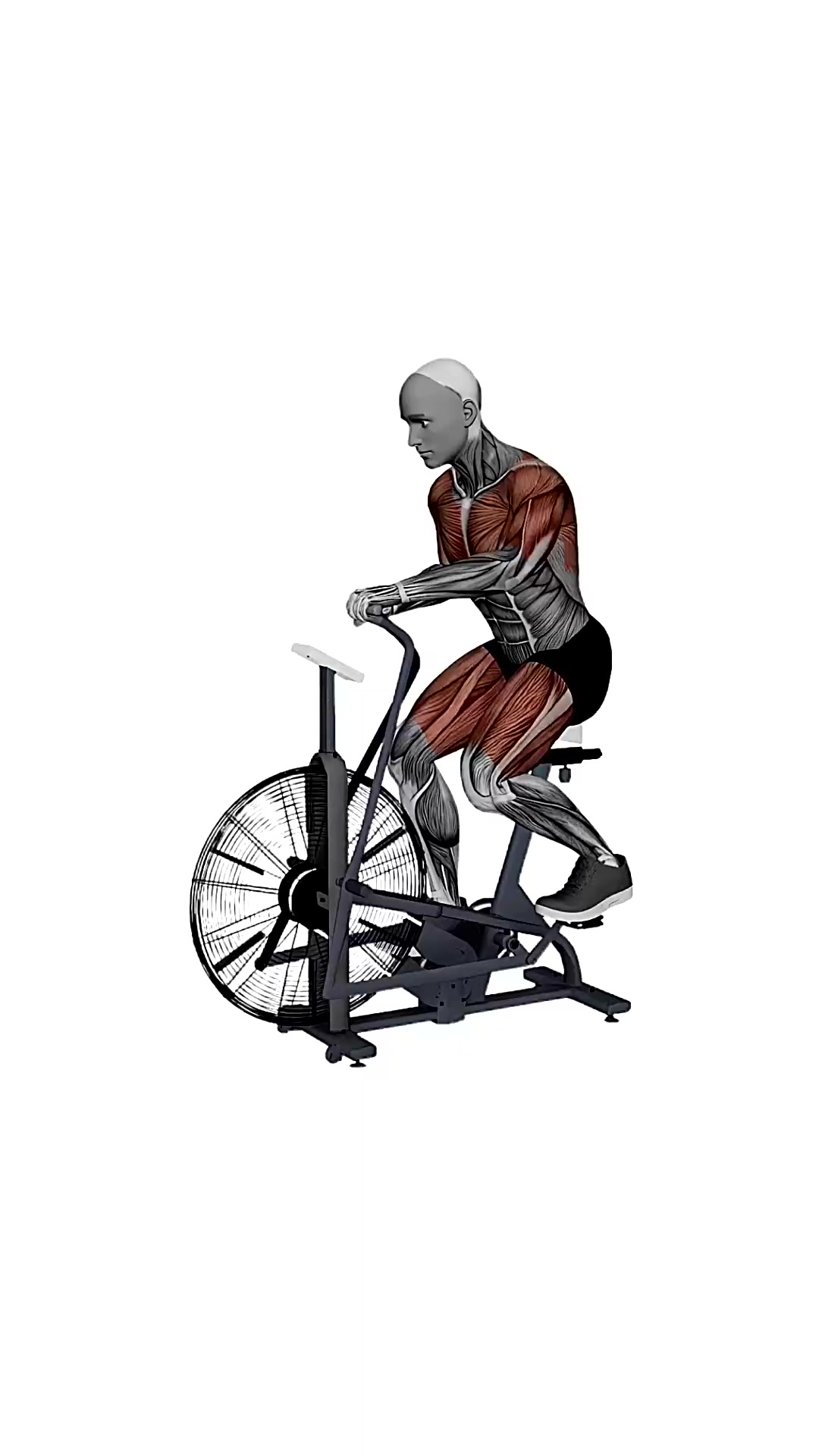
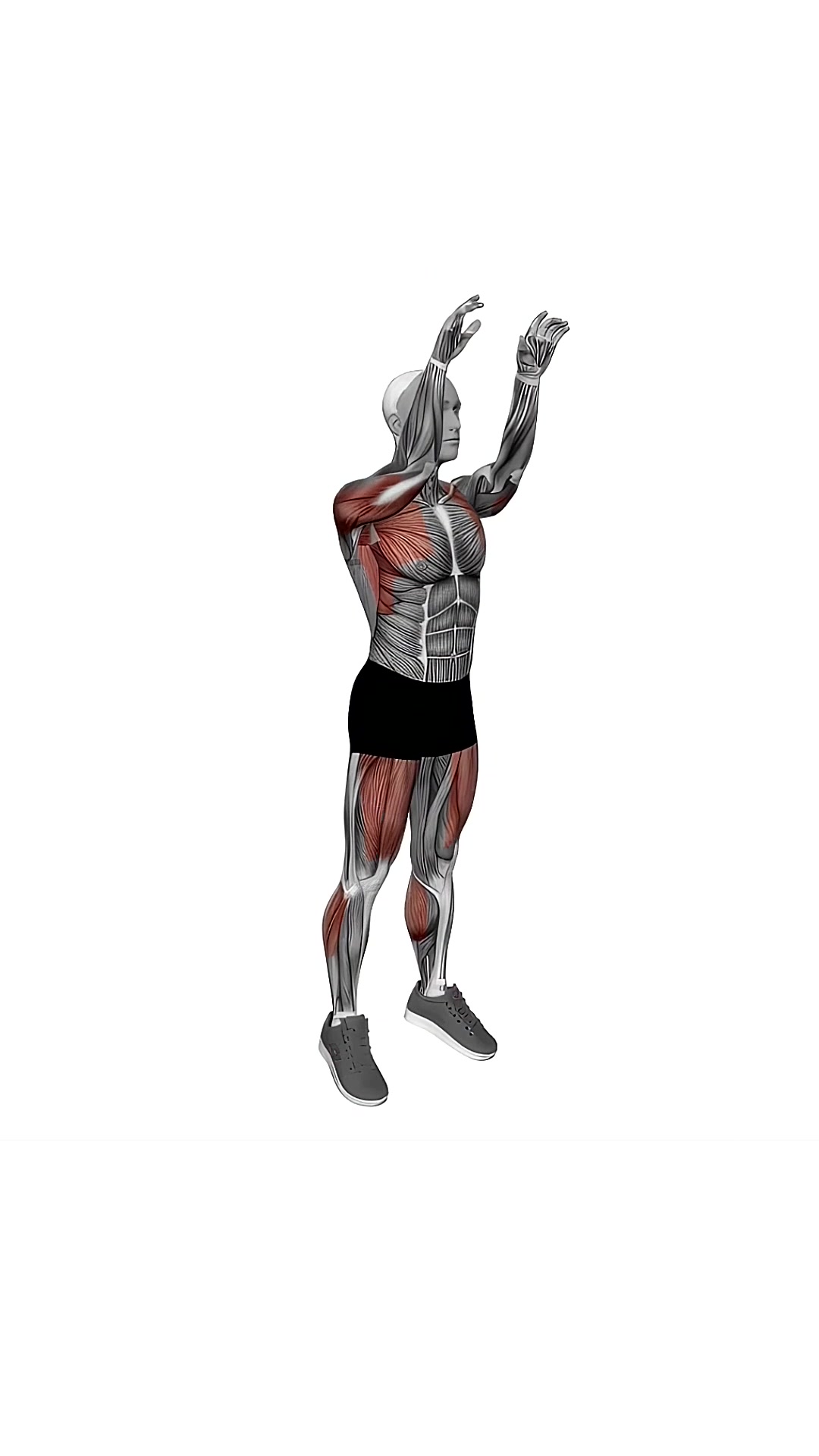
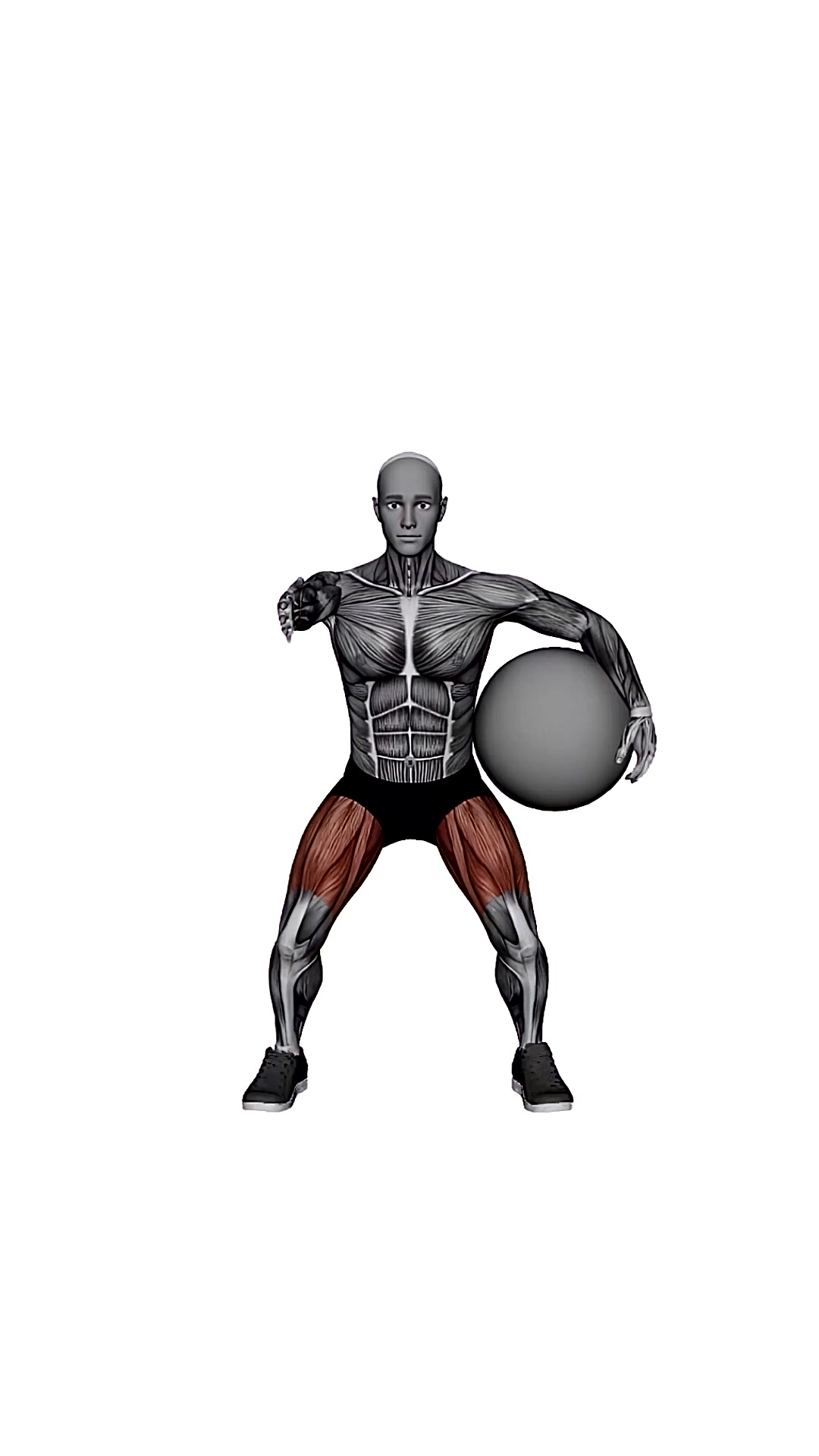
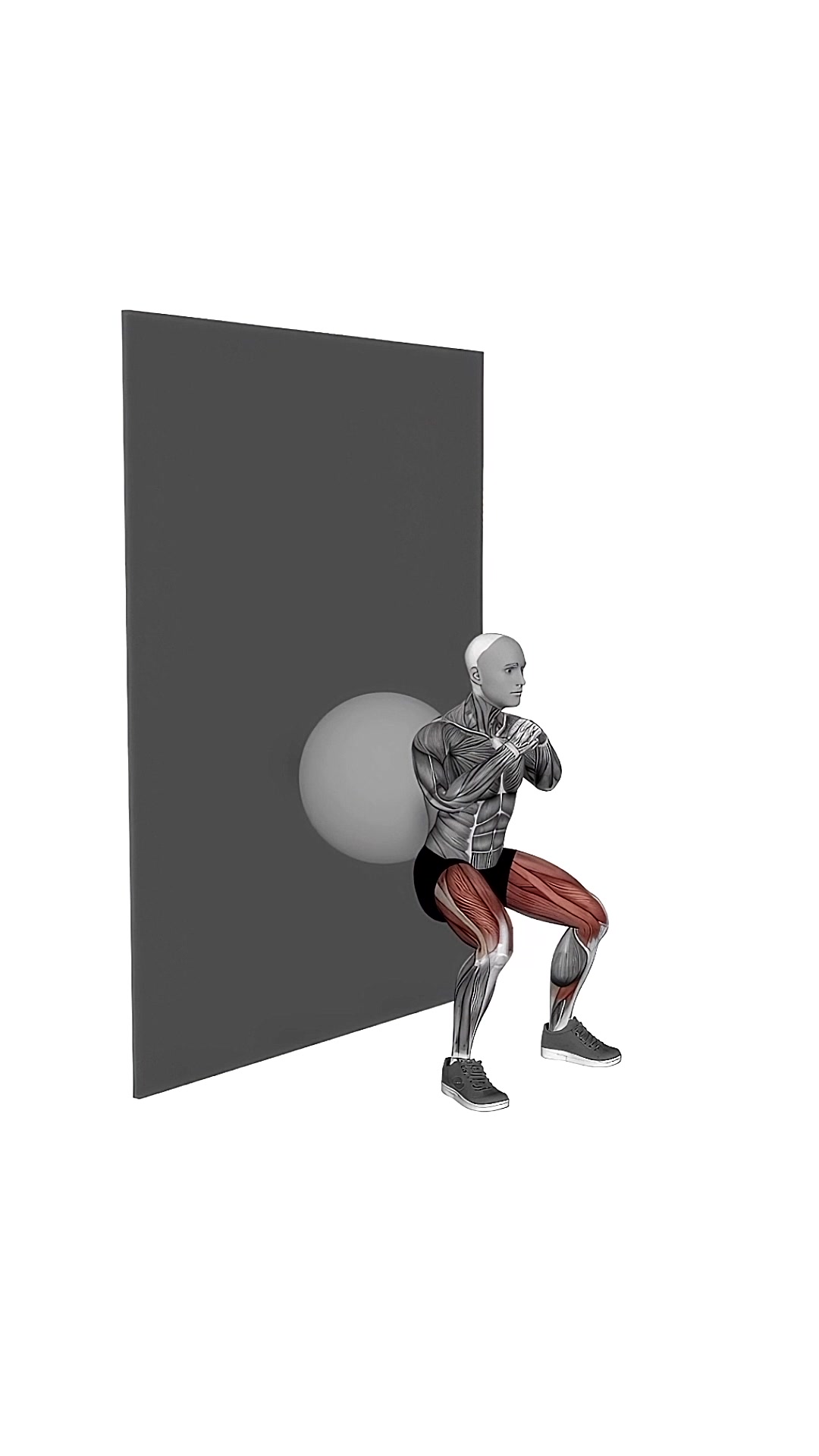
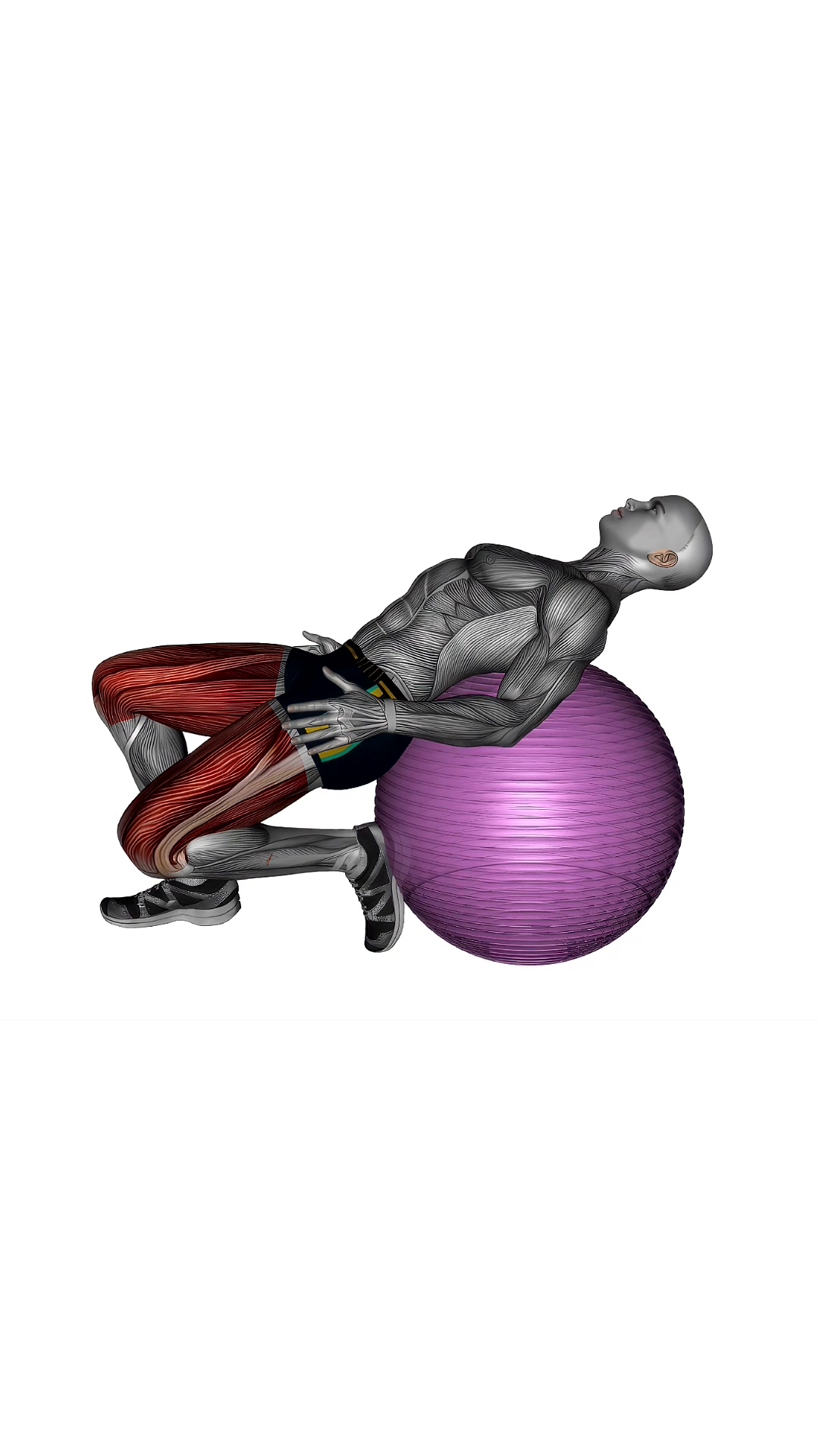
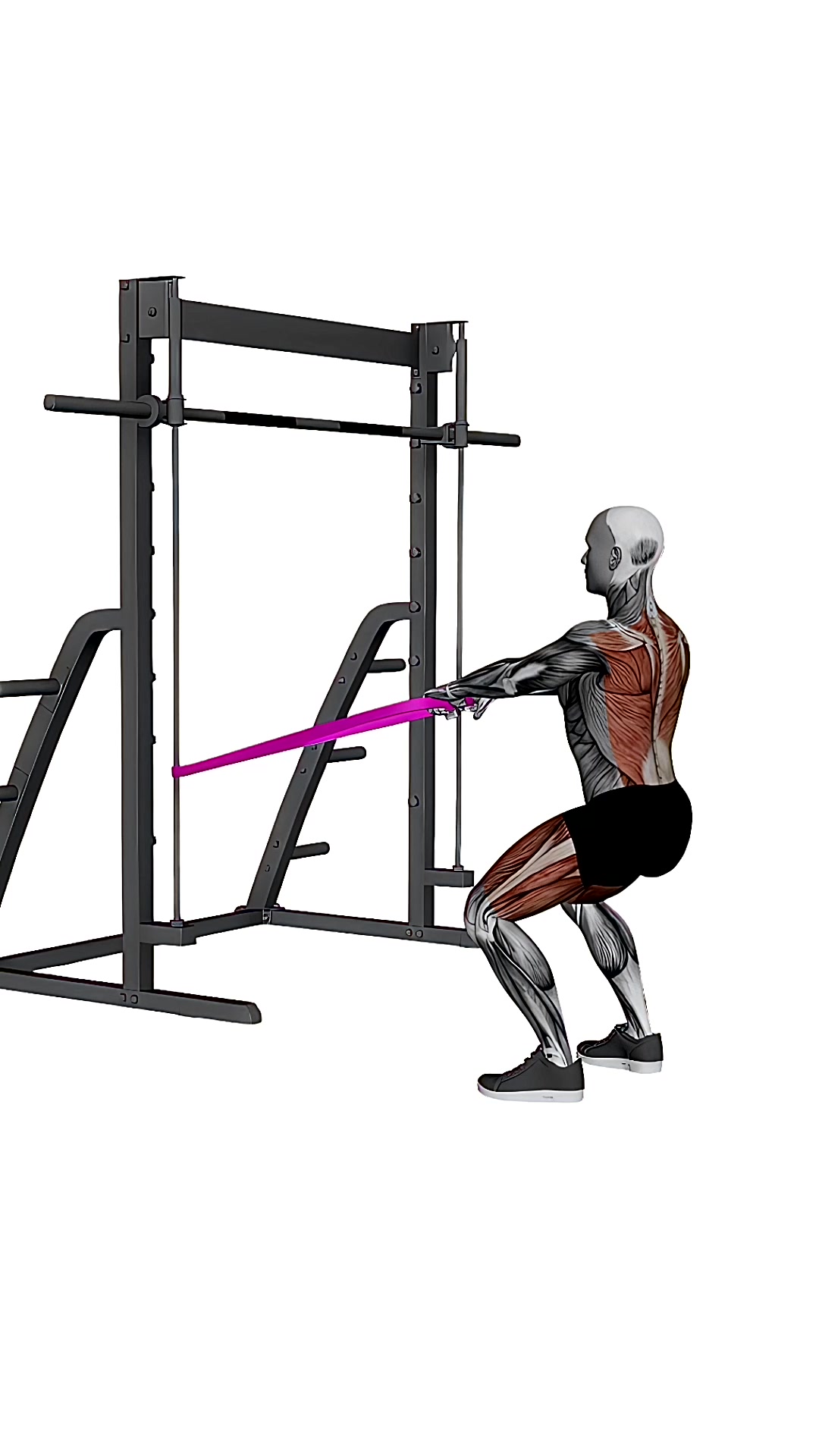
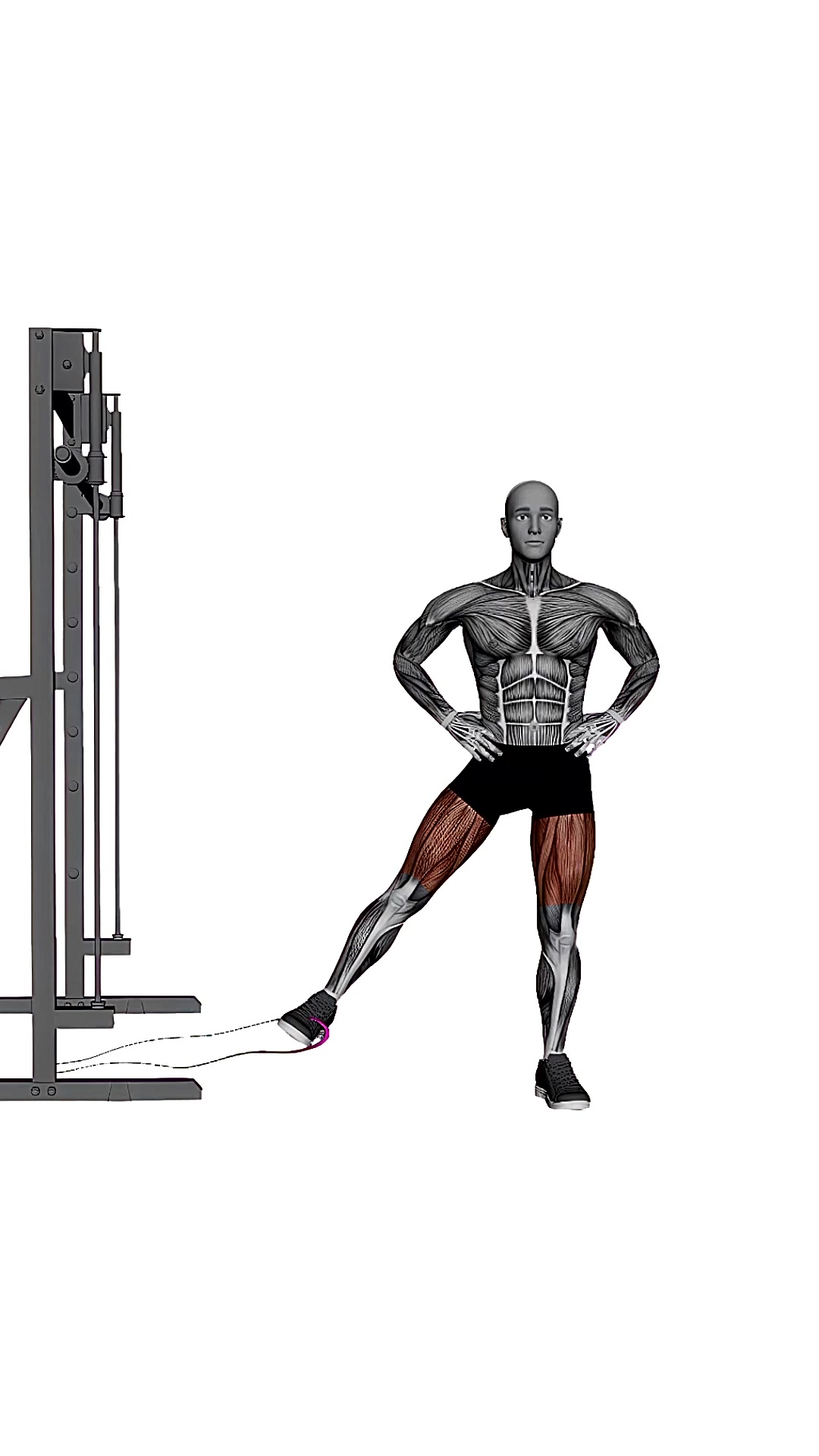
Get into the starting position as shown, keeping your back straight.
2
Move slowly into the stretch until you feel tension — not pain.
3
Hold for 20-30 seconds, breathing steadily throughout.
4
Release gently and repeat on the opposite side if applicable.
5
Never force the stretch — ease in a little further each time you exhale.
Pro Tips
Stretch after your workout when muscles are warm — you'll get further with less risk.
Breathe out as you ease deeper into the stretch.
Consistency matters more than intensity — daily short stretches beat occasional long ones.
Overview
A flexibility movement that loosens the stretching and surrounding tissue. Regular practice improves range of motion and reduces injury risk.
Muscles Worked
Stretching
75%
Common Mistakes
Forcing the stretch too aggressively — pain means you've gone too far.
Holding your breath instead of breathing steadily through the stretch.
Rushing through it — each position needs time to release properly.
About Training Your Quadriceps
The quadriceps are the four large muscles on the front of the thigh that straighten the knee and drive almost every lower-body movement. They are among the biggest and most powerful muscles in the body, so training them hard pays off in strength, size, and athletic performance.
Squat and lunge patterns are the foundation of quad development — back squats, front squats, leg presses, split squats, and step-ups all load the quads heavily while also recruiting the glutes. Leg extensions isolate the quads directly for extra volume and a strong contraction. For most lifters, anchoring leg day with a heavy compound squat and finishing with lunges and extensions builds the most complete thighs.
Keep the knees tracking over the toes, descend to at least parallel where mobility allows, and control the lowering phase. Beginners should master bodyweight and goblet squats before loading a heavy barbell.