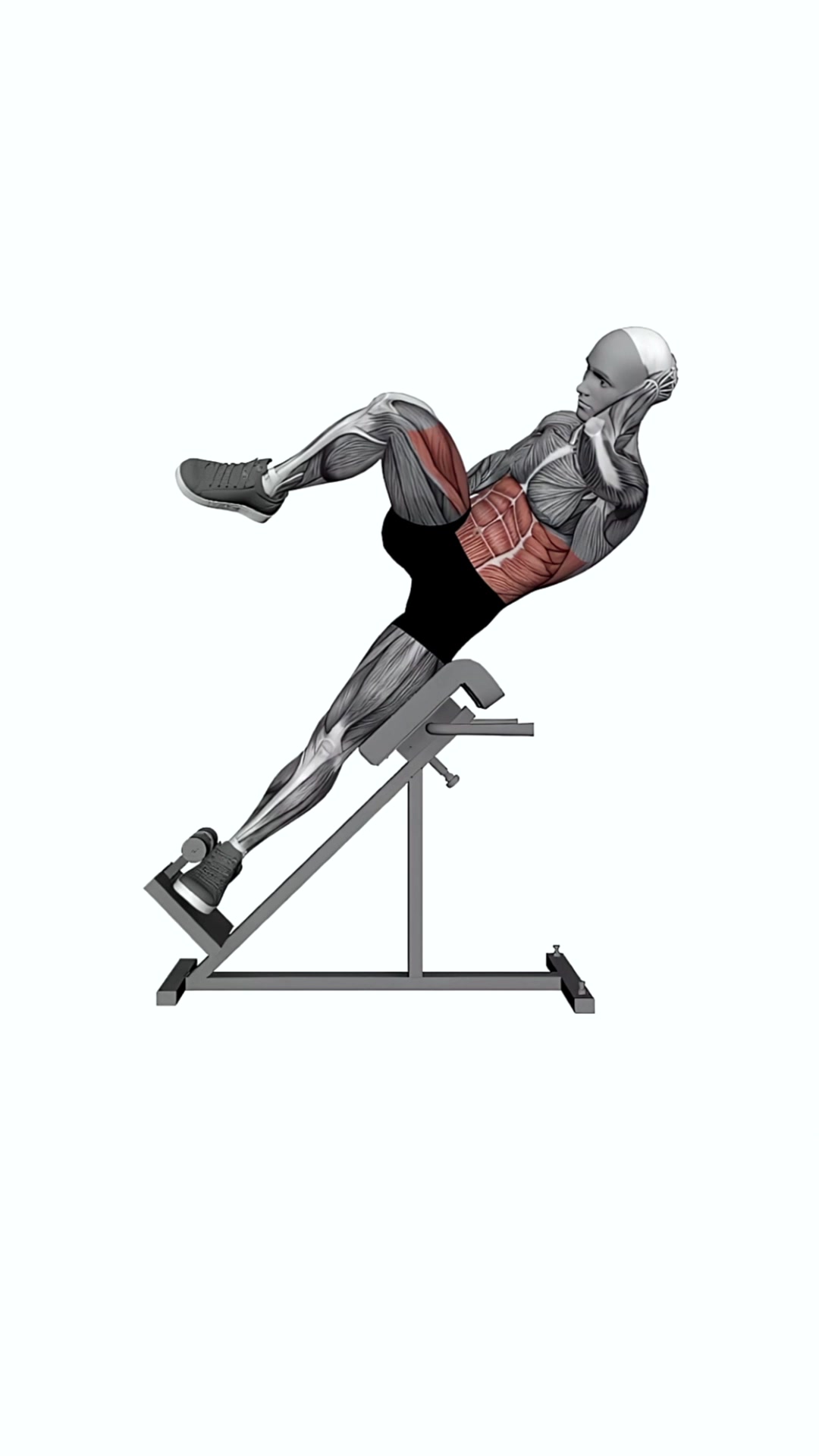
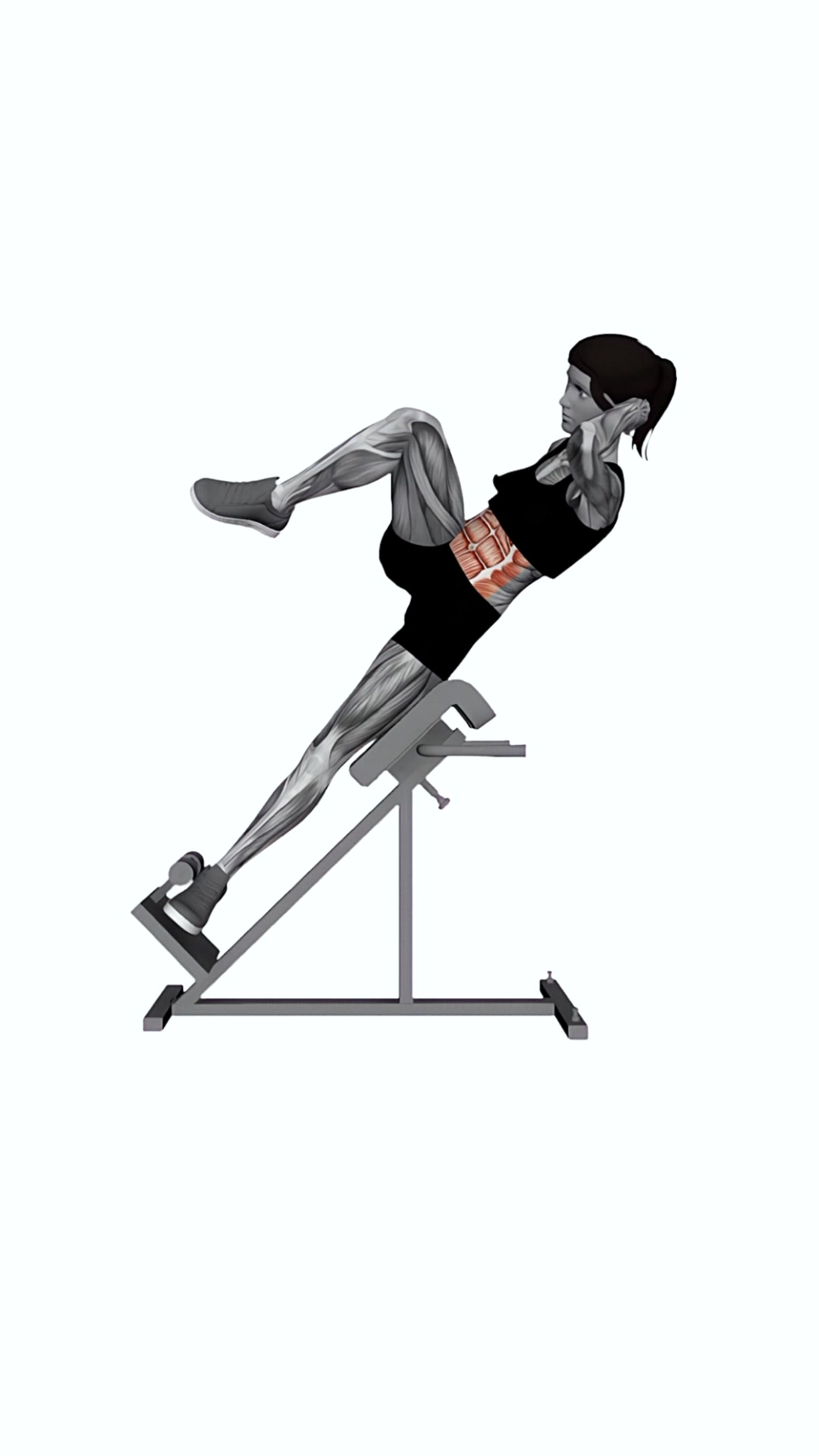
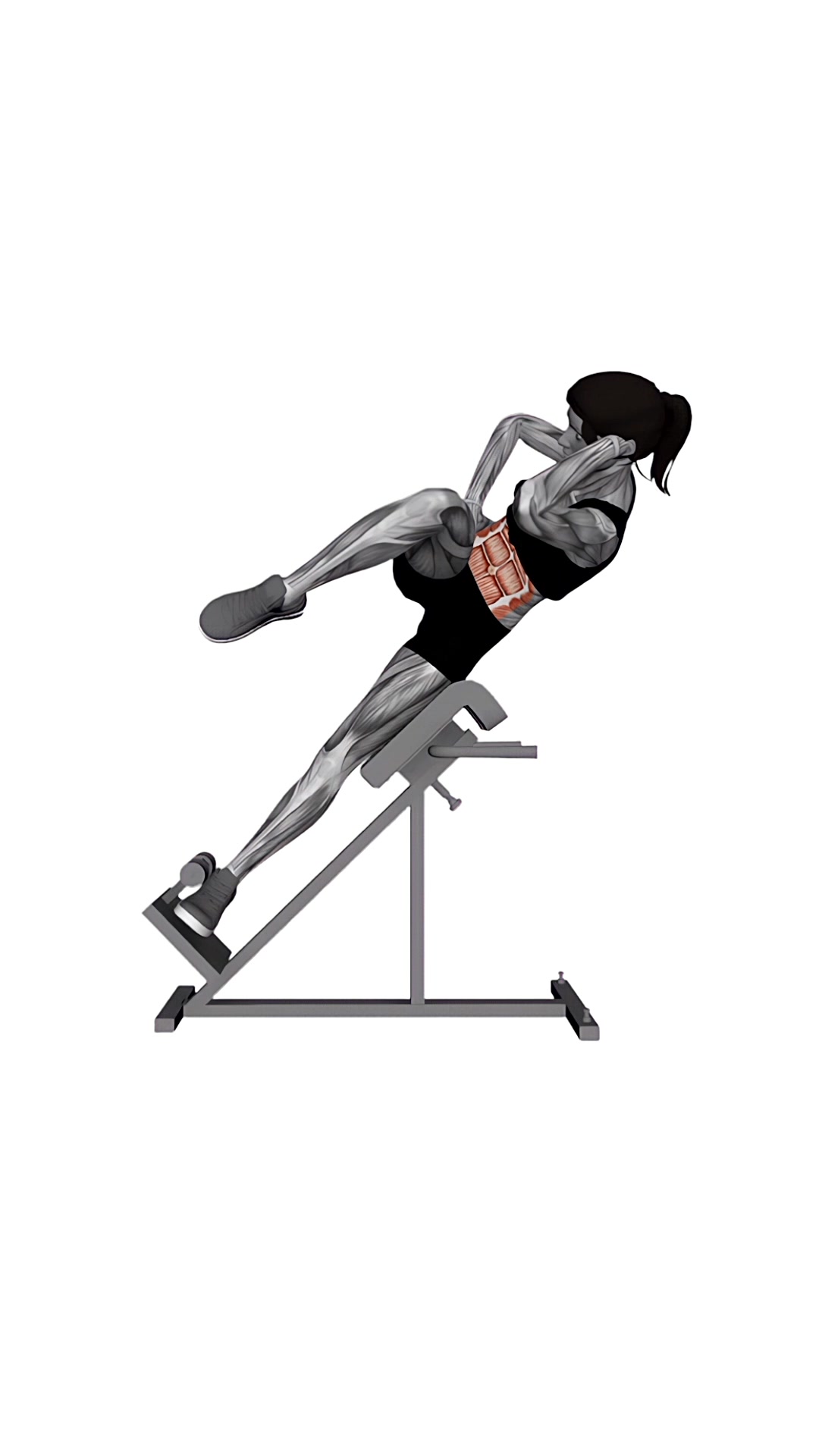
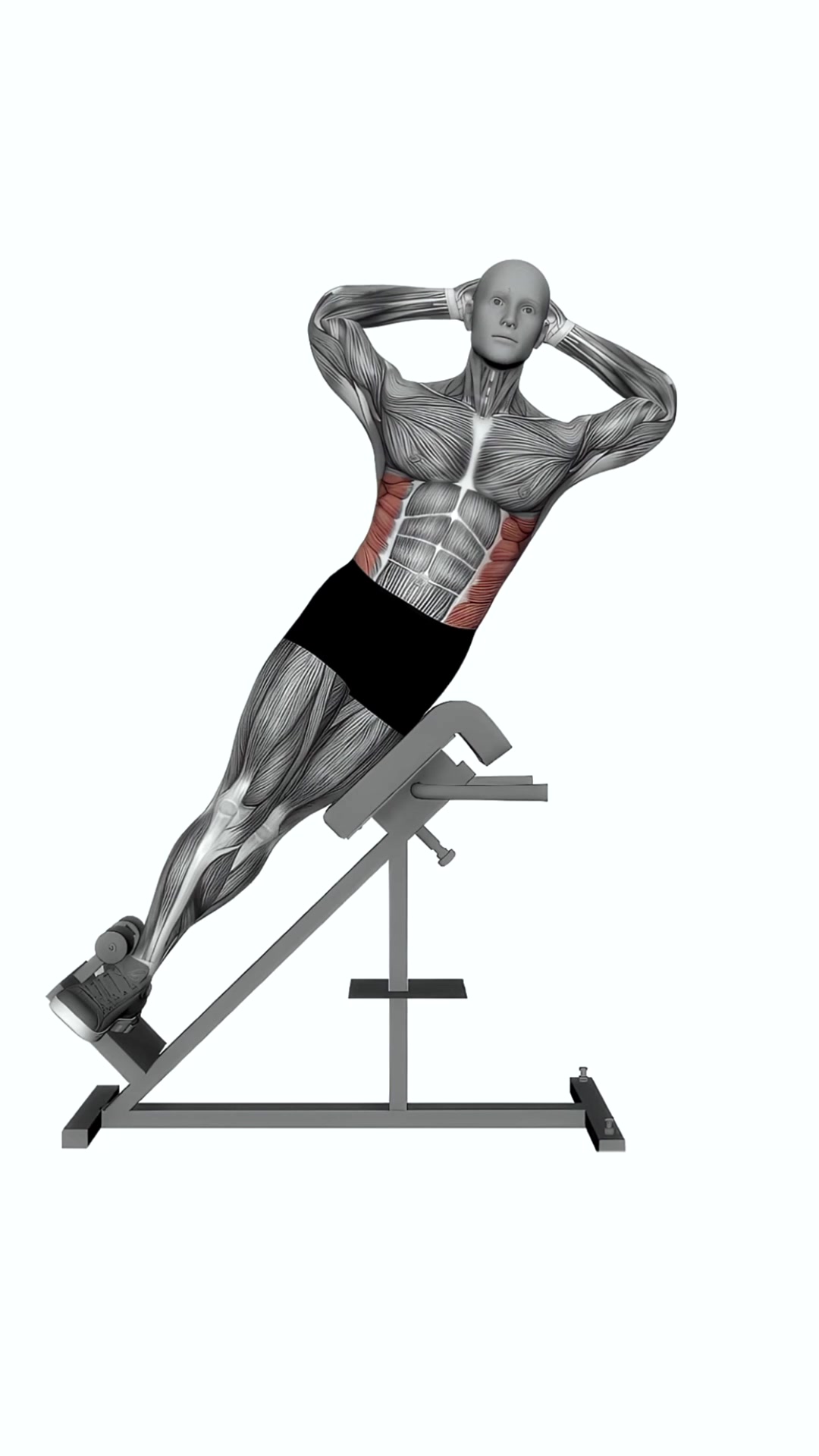
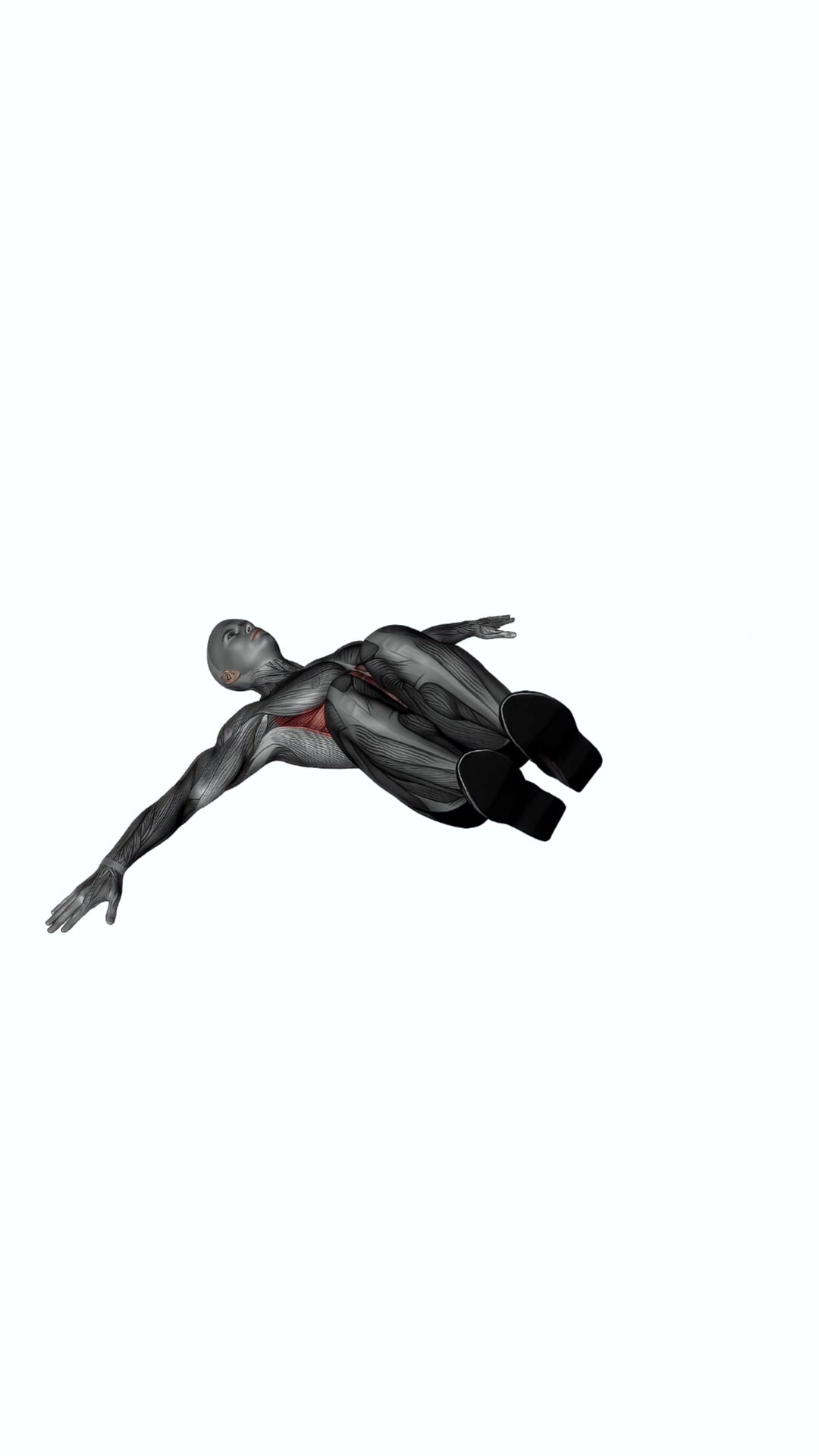
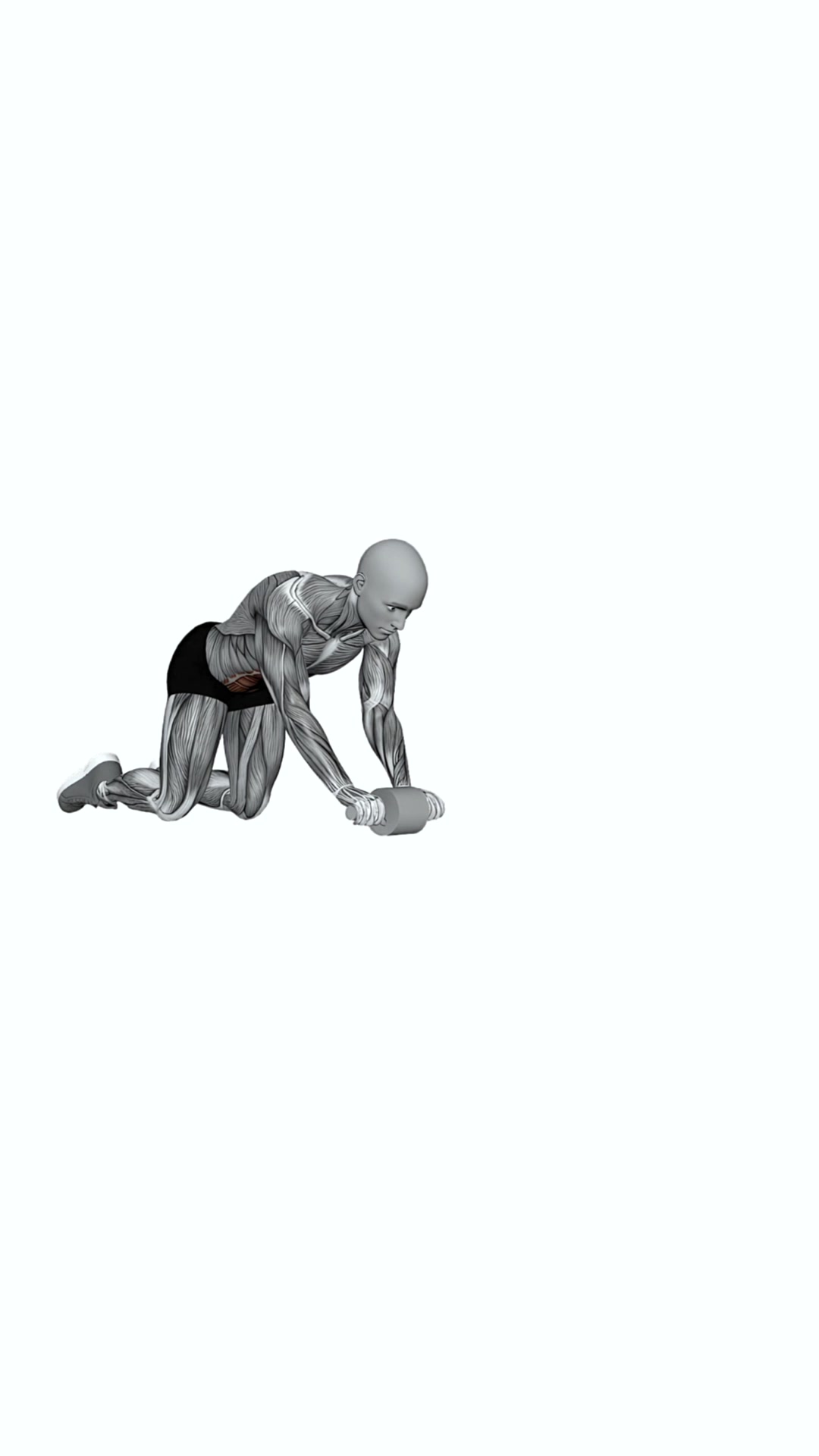
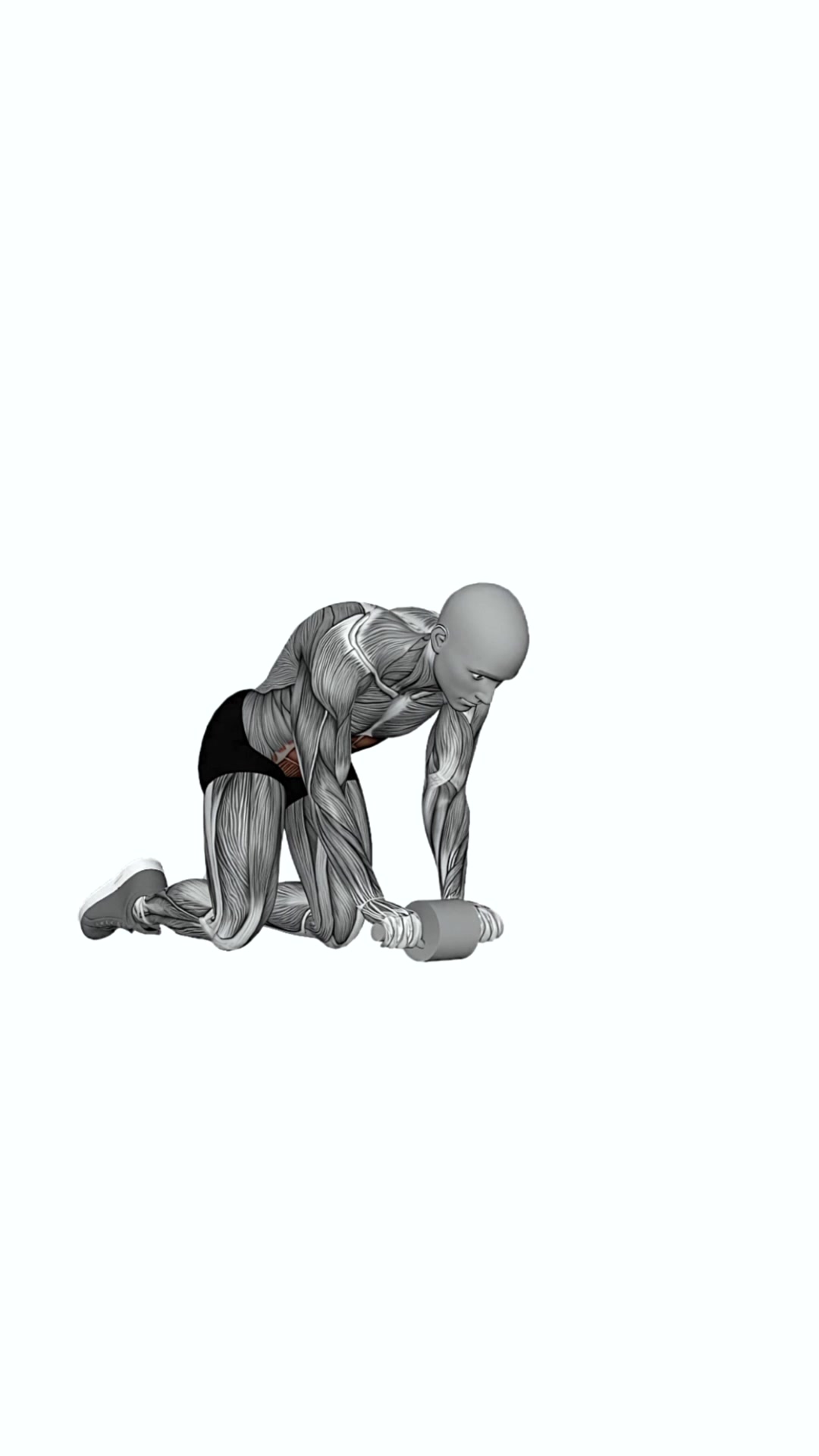
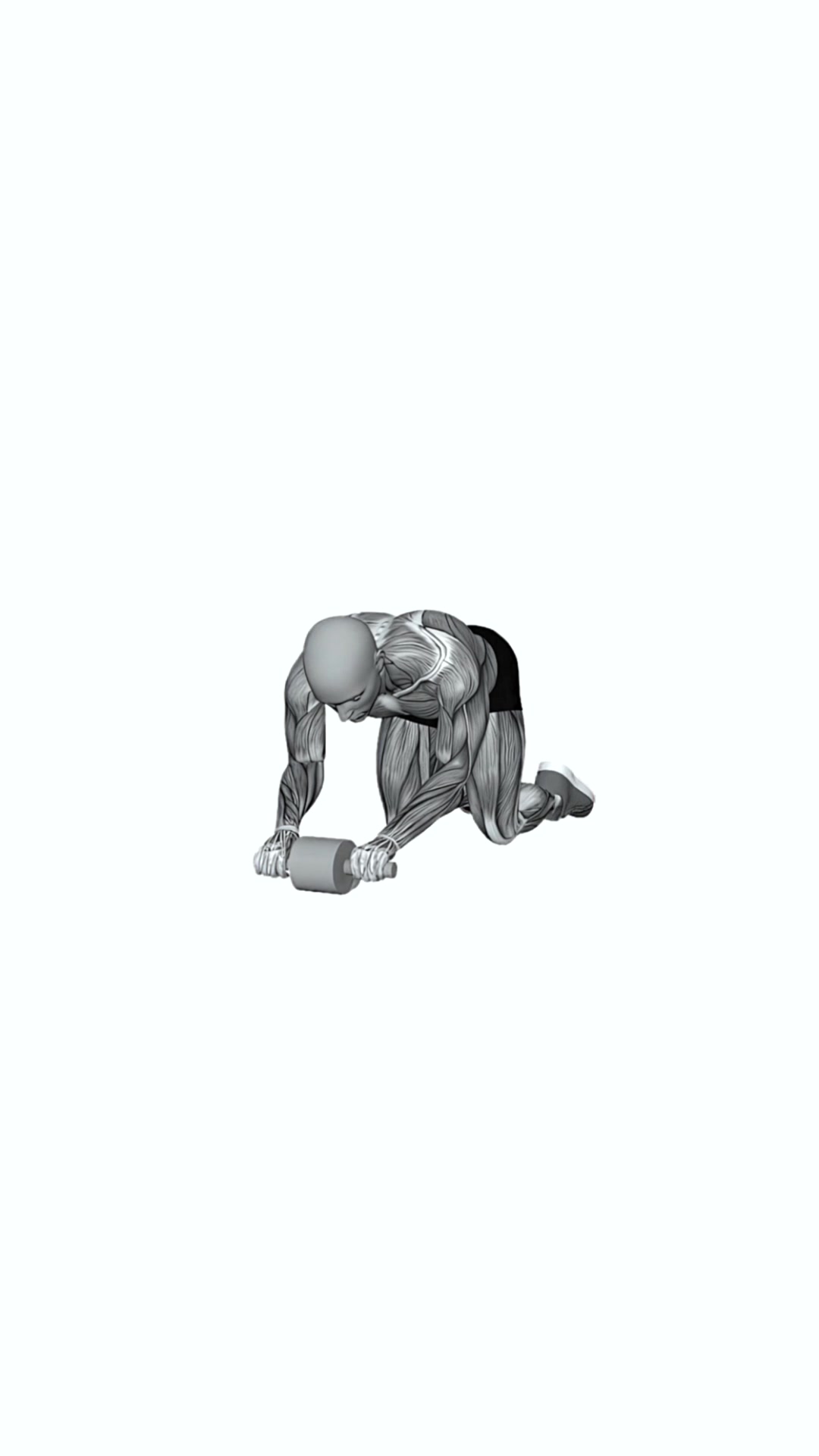
A abs movement using a bench that loads the abdominals through its full range, with Hip Flexors picking up the supporting work. One of the more effective exercises for building size and strength in this area.
The core is far more than a visible six-pack. It is a coordinated group of muscles that includes the rectus abdominis — the long muscle that creates the six-pack appearance and flexes the spine — the internal and external obliques on the sides that rotate and bend the torso, and the deep transverse abdominis that wraps around the midsection like a belt to stabilise the spine and protect the lower back.
Effective core training works all of these functions rather than relying on endless crunches. Flexion exercises such as crunches, sit-ups, and hanging leg raises target the rectus abdominis and are excellent for building visible abdominal muscle. Rotational and anti-rotation work such as Russian twists and cable woodchops develops the obliques and the ability to resist twisting forces. Bracing and isometric holds like the plank and its variations train the deep stabilisers that give you a strong, protected midsection during heavy lifts and everyday movement.
Because the core is involved in stabilising almost every compound lift, it already gets significant indirect work from squats, deadlifts, and overhead presses. Direct ab training a few times per week, with a mix of weighted flexion work in the 8 to 15 range and longer isometric holds, is enough for most people to build a strong, defined midsection. Adding resistance to ab exercises over time is just as important as it is for any other muscle.
The most important thing to understand about abs is that visibility is primarily a function of body-fat level, not the number of crunches you do. You can build thick, strong abdominal muscles, but they will only show when body fat is low enough, which is achieved through nutrition and overall training rather than spot reduction. There is no exercise that burns fat from the stomach specifically. Focus ab training on building and strengthening the muscles, and rely on a sensible diet and full-body activity to reveal them.
A strong core improves posture, protects the lower back, transfers force between the upper and lower body, and underpins performance in virtually every sport and lift. Train it deliberately using the popular core exercises below.