Pick a muscle group or browse all exercises — with instructions, tips, and common mistakes for every movement.
Select Muscle
Click a muscle to browse
Browse by Muscle Group
Browse by Equipment
Browse by Training Style
Quick Start — Workout Splits
Pre-made Dumbbell Workouts
Muscle Group
Equipment
Movement Type
✕ Clear all filters
⌕
0 Exercises
📋 Save as Workout
Clear
◈
Select an exercise to preview
Barbell Seated Good Morning
Similar Exercises
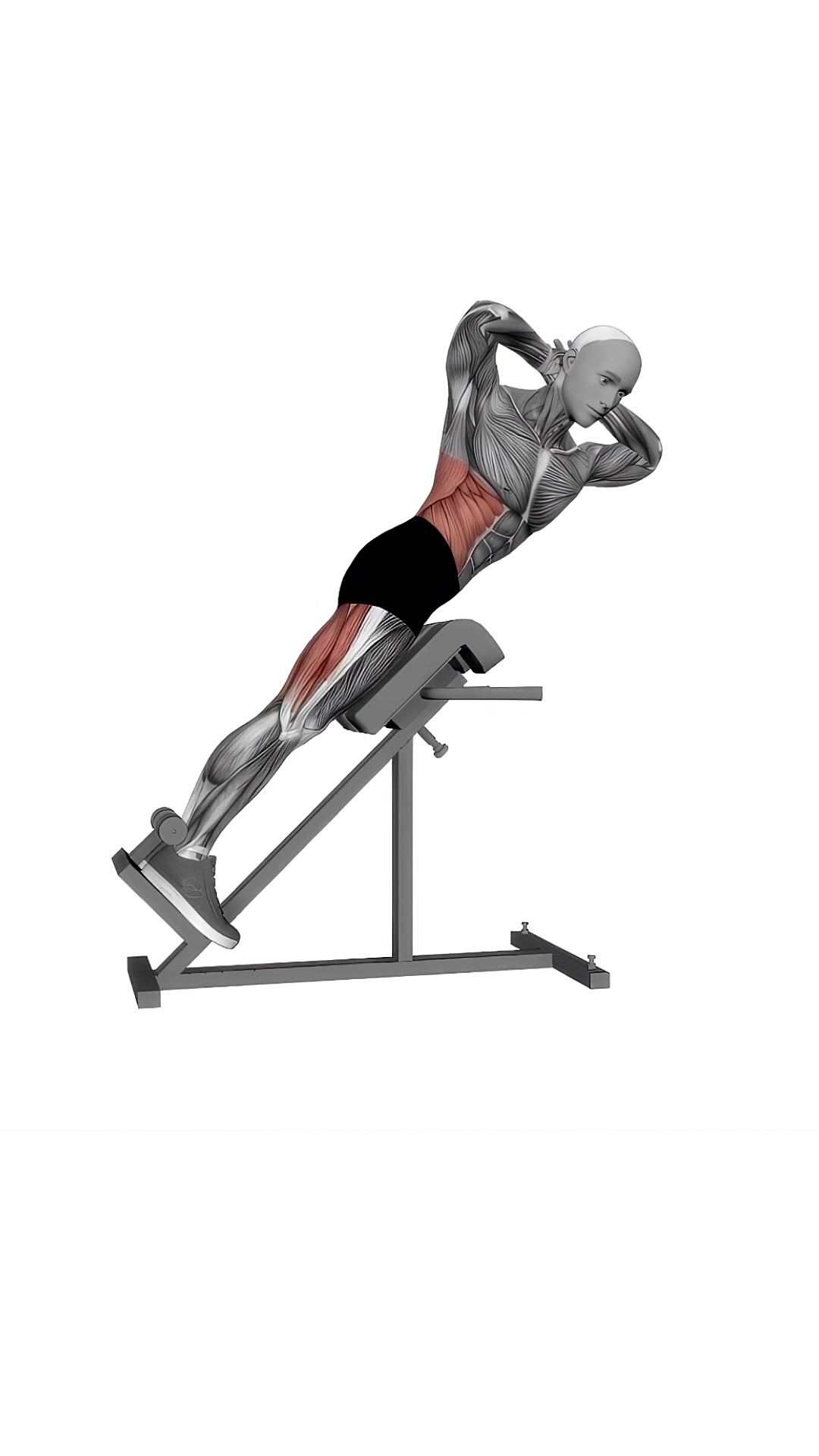
45 Degree Twisting Hyperextension
Hyperextension Bench · Rotation
B
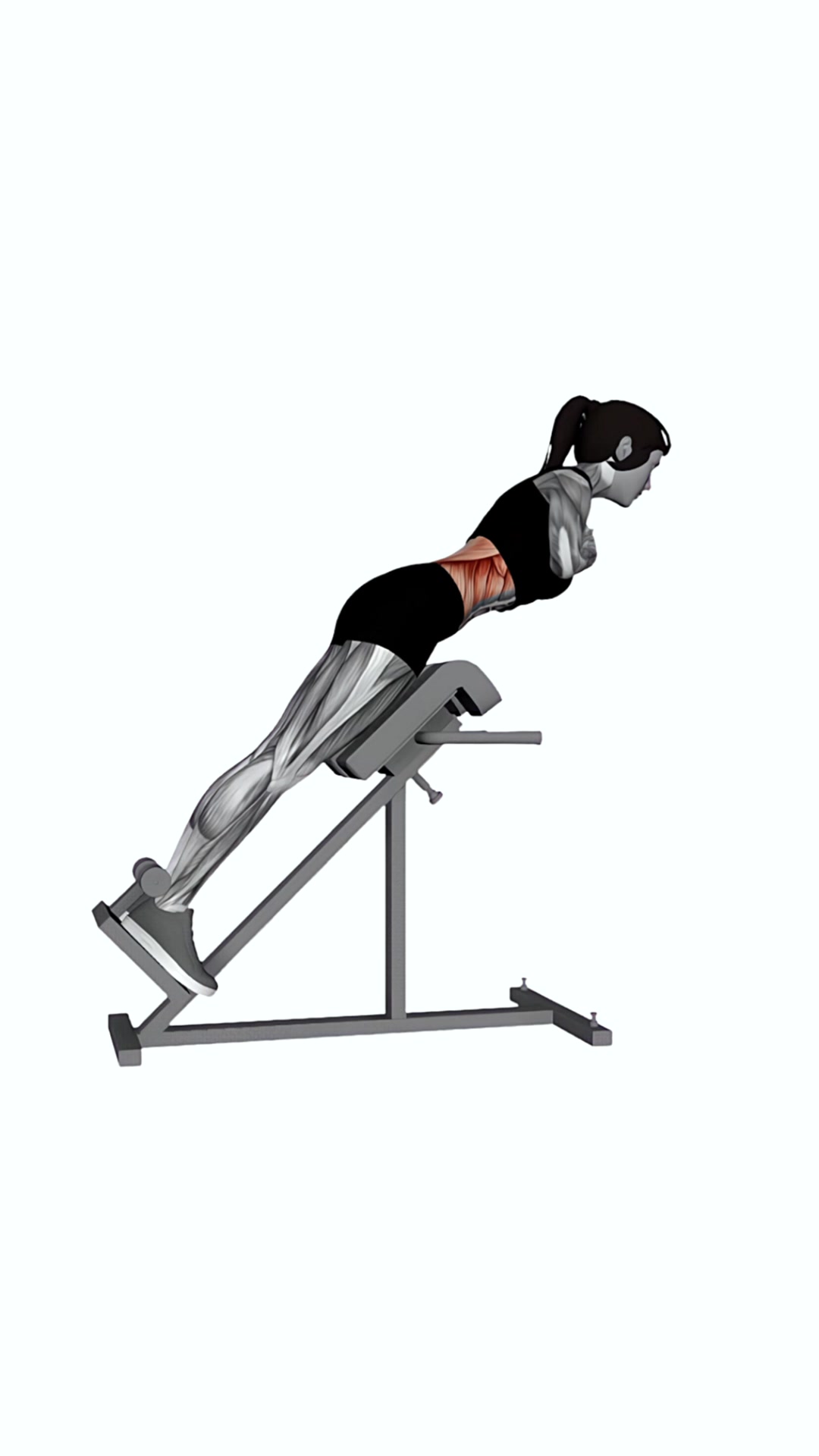
45 Degree Hyperextension (arms In Front Of Chest)
Hyperextension Bench · Hinge
B
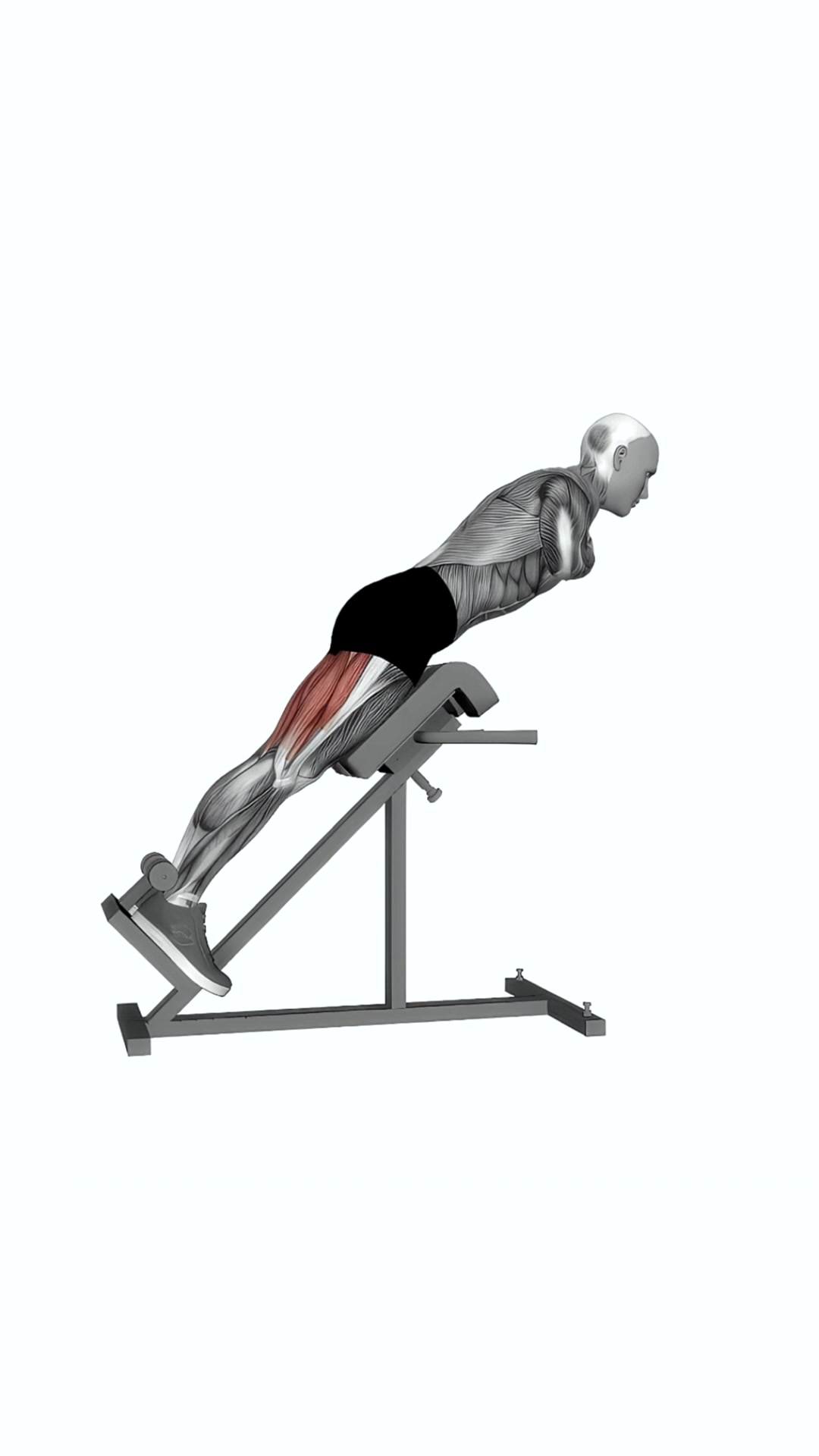
45 Degree Hyperextension Arms To Chest
Hyperextension Bench · Hinge
B
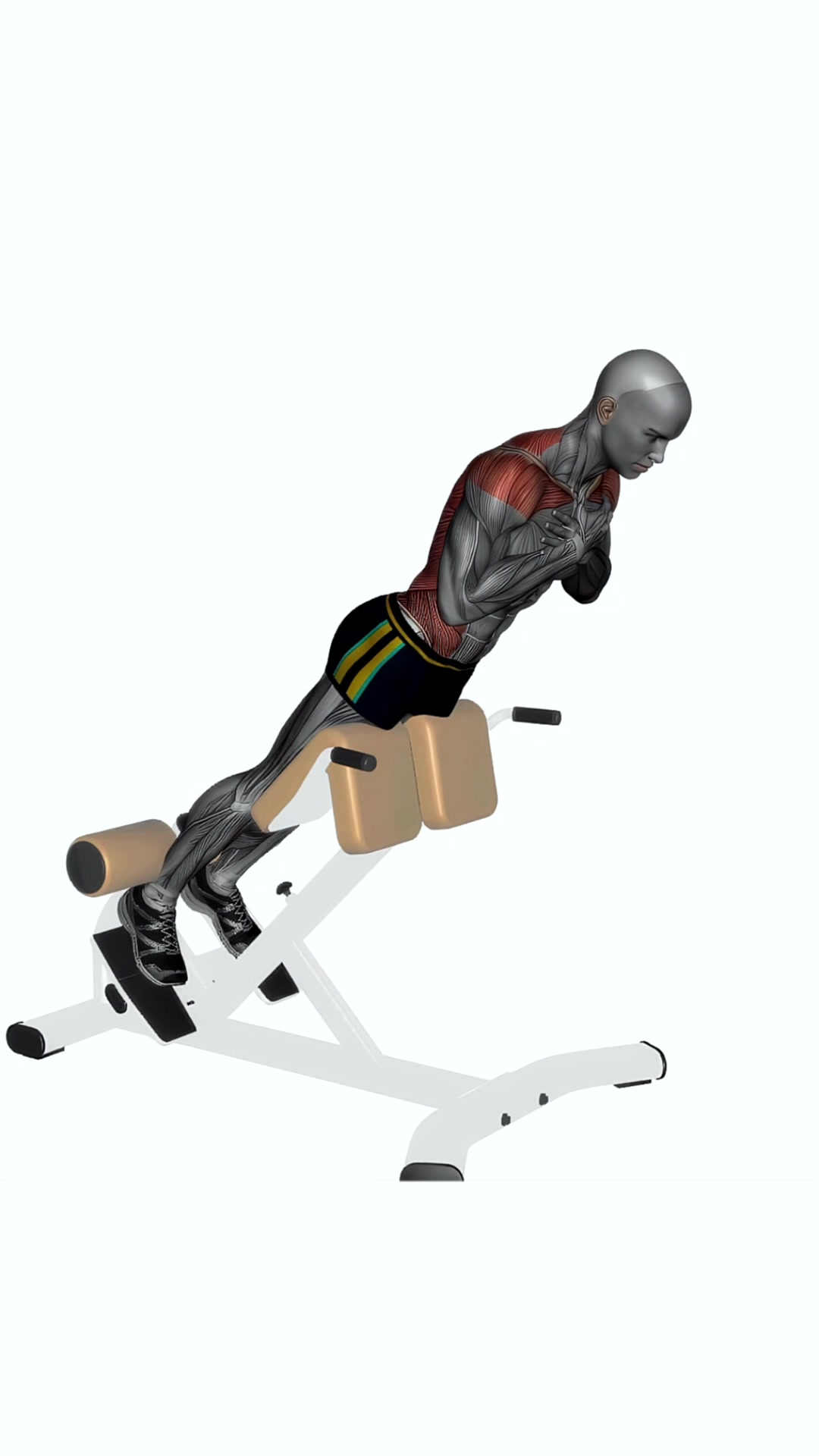
Back Extension Machine
Hyperextension Bench · Hinge
B
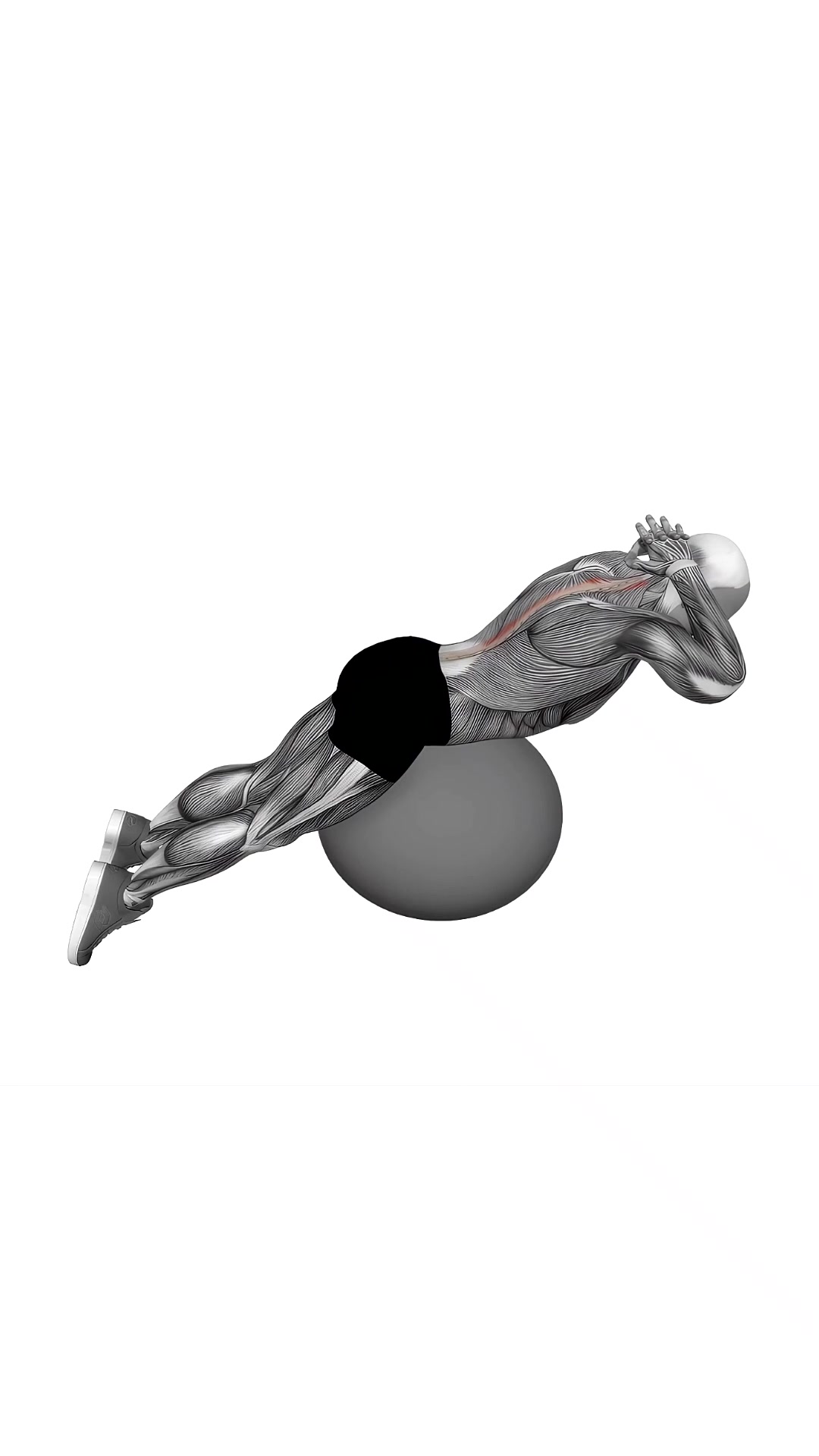
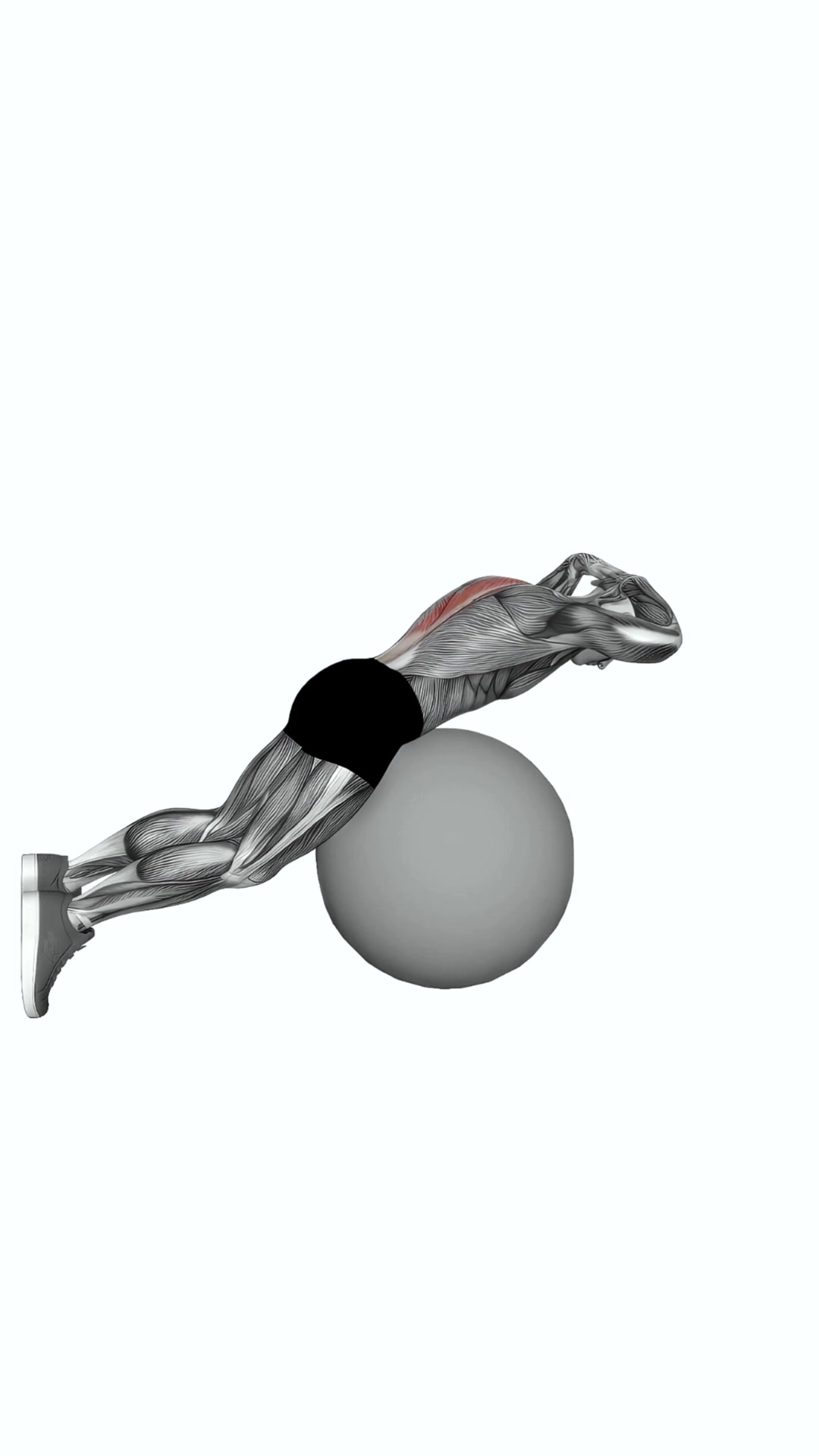
Back Extension On Exercise Ball
Stability Ball · Hinge
B
Exercise Ball Back Extension With Hands Behind Head
Stability Ball · Hinge
B
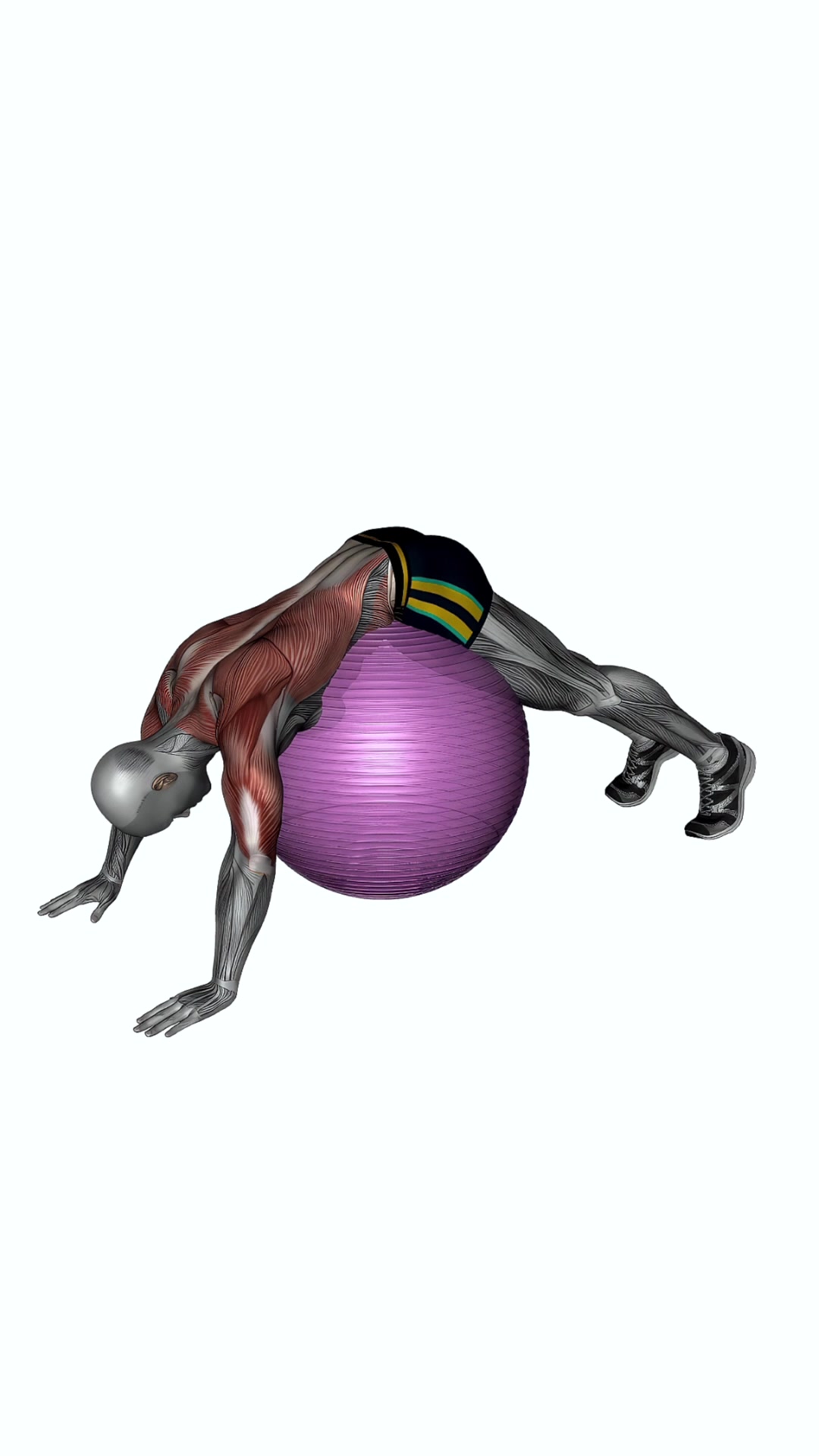
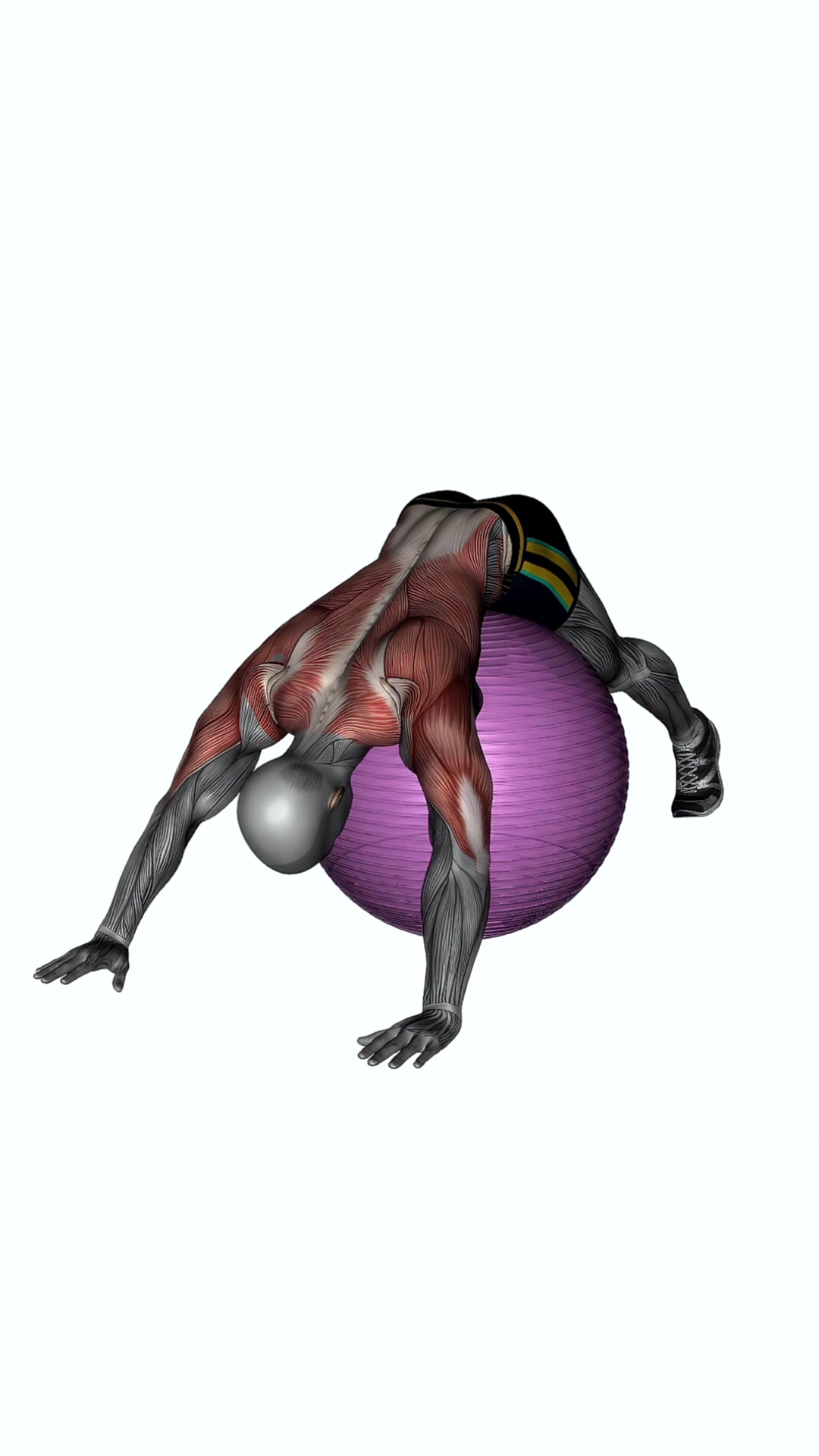
Exercise Ball Lower Back Dynamic Stretch
Stability Ball · Mobility/Flexibility
B
Exercise Ball Lower Back Prone Stretch
Stability Ball · Mobility/Flexibility
B
Home ›
Lower Back ›
Barbell Seated Good Morning
Barbell Seated Good Morning
Lower BackBarbellHingeStrength
Your Goal General Fitness
Sets
2–3
Reps
10–15
Rest
60s
How To Perform
1
Stand with feet shoulder-width apart, bar on upper traps or dumbbells at sides.
2
Hinge at the hips, pushing them back while keeping your back flat.
3
Lower your chest until it's roughly parallel to the floor or until you feel a hamstring stretch.
4
Drive your hips forward to return to standing — use the glutes, not the lower back.
5
Keep a slight bend in your knees throughout.
Pro Tips
Focus on feeling the target muscle working rather than just moving the weight.
The last 2-3 reps of a set are where growth happens — push through them with good form.
Rest 60-90 seconds between sets for hypertrophy, 2-3 minutes for strength work.
Overview
A back movement using a barbell that loads the back through its full range, with Biceps picking up the supporting work. One of the more effective exercises for building size and strength in this area.
Muscles Worked
Back
75%
Biceps
42%
Rear Deltoids
32%
Common Mistakes
Using too much weight and sacrificing form to complete the movement.
Rushing through reps — speed kills the time under tension that drives results.
Neglecting the eccentric phase — lowering with control is where a lot of the growth happens.
About Training Your Lower Back
The lower back — chiefly the erector spinae running along the spine — keeps you upright, stabilises the trunk under load, and works alongside the glutes and hamstrings to extend the hips. A strong, resilient lower back underpins nearly every heavy lift and protects against everyday injury.
The deadlift and its variations are the primary builders, loading the entire posterior chain. Back extensions, good mornings, and rack pulls add targeted strengthening, while bracing during squats and carries trains the spinal stabilisers.
Technique is paramount: maintain a neutral spine, brace the core hard, and hinge from the hips rather than rounding the back. Build load gradually and never sacrifice form for weight.